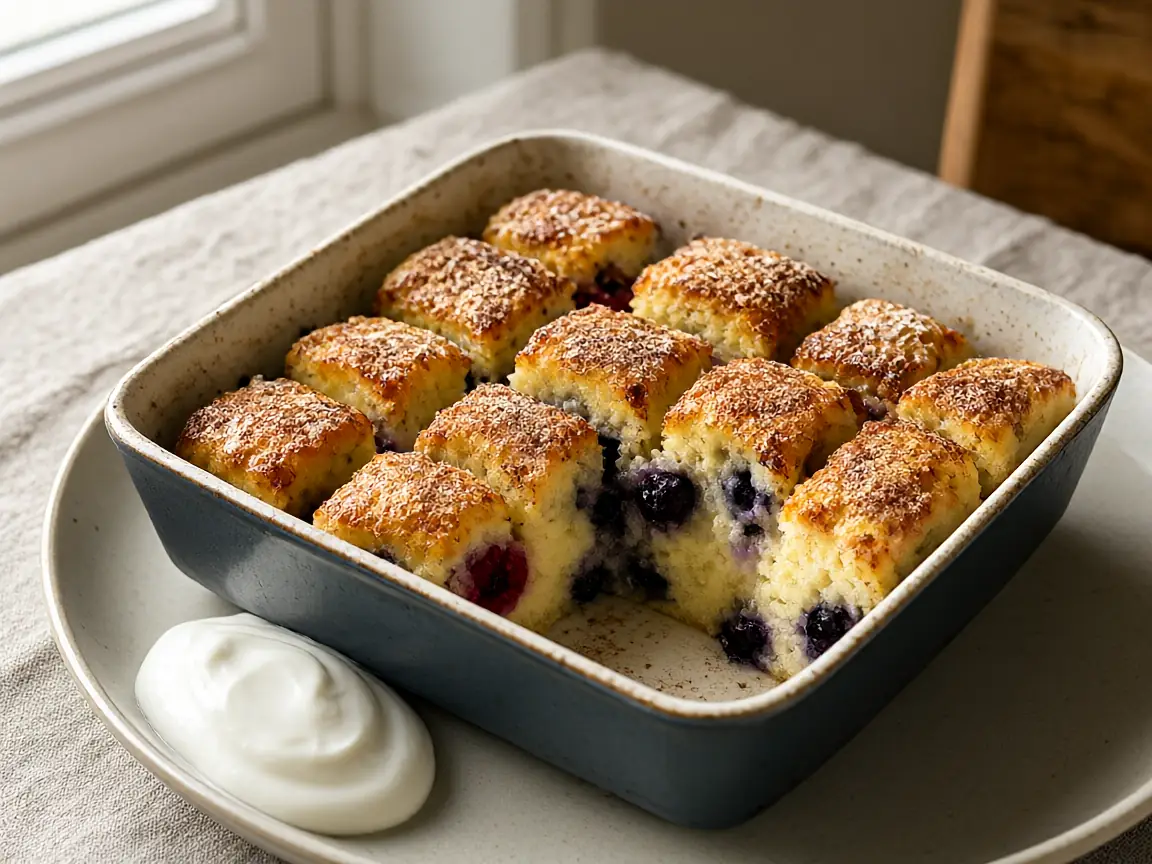
Primary keyword: high protein banana nut bread. This guide shows how to make a tender, sliceable loaf with ripe bananas, walnuts, eggs, yogurt, oats, and a measured amount of protein powder, then explains how to portion, store, and adjust it.
Quick answer
A dependable high protein banana nut bread balances banana moisture with flour or oats, eggs, yogurt, and a moderate amount of protein powder. Fold chopped walnuts into the batter for crunch, bake until the center is set, and allow the loaf to cool fully before slicing. The protein contribution comes from several ingredients together; it does not depend on adding as much powder as possible. Banana size, yogurt type, protein powder, walnut amount, slice thickness, and pan size all affect the final result.
This is a practical baked food, not a prescription or a promise about weight, fullness, or muscle. A higher-protein label does not automatically mean low calorie or suitable for every person. Use the ingredients and serving size that fit your preferences, and calculate nutrition from the actual labels when precision matters. For other formats, browse the high-protein recipes section.
What makes banana nut bread higher in protein?
Classic banana nut bread usually gets structure and tenderness from flour, eggs, fat, sugar, and mashed bananas. A higher-protein version can add plain Greek yogurt, eggs, oats, walnuts, and a measured amount of protein powder. Each ingredient has a different job. Eggs help set the loaf; yogurt adds moisture and tang; oats provide starch and a hearty texture; walnuts bring crunch and richness; protein powder increases protein concentration but can absorb liquid quickly.
Keeping those jobs separate helps avoid a common failure: making a loaf that is so dense with powder that it becomes dry or rubbery. Flour and oats provide structure that protein powder does not replace in the same way. Ripe banana supplies sweetness and moisture but too much banana can leave the center gummy. The recipe works when the batter is thick enough to hold the walnuts yet moist enough to rise and bake evenly.
Protein needs vary by age, body size, activity, health history, and goals. This article does not set a daily target. People with kidney disease, food allergies, pregnancy-related nutrition needs, diabetes, digestive conditions, or a prescribed diet should consult a qualified professional before making major dietary changes or using concentrated protein products regularly.
Ingredients for a tender loaf
This formula makes one standard loaf. Measure the mashed banana if you want to reproduce the texture consistently.
- 3 medium ripe bananas, mashed (about 1 to 1 1/4 cups, depending on size).
- 2 large eggs.
- 3/4 cup plain Greek yogurt.
- 1 1/2 cups oat flour or finely blended rolled oats.
- 1/2 cup all-purpose or whole-wheat flour for additional structure.
- 1/2 cup protein powder that works well in baked recipes.
- 1/2 teaspoon baking soda, 1 teaspoon baking powder, 1 teaspoon cinnamon, and a pinch of salt.
- 1 teaspoon vanilla extract.
- 1/2 cup chopped walnuts, lightly toasted if desired.
- Optional: 1 tablespoon neutral oil if the batter is unusually lean or dry.
The formula uses a moderate protein-powder amount because brands differ in moisture absorption and flavor. If your powder is very sweet, the ripe bananas may provide enough sweetness on their own. If it is unflavored or noticeably bitter, adjust the cinnamon and vanilla first. Do not add extra sweetener automatically; taste and decide based on the ingredients you actually use.
Step-by-step preparation
Line a loaf pan with parchment and heat the oven according to your equipment and baking method. Mash the bananas until mostly smooth. In a large bowl, whisk together the eggs, Greek yogurt, mashed banana, and vanilla. In another bowl, stir together the oat flour, flour, protein powder, baking soda, baking powder, cinnamon, and salt.
Add the dry ingredients to the wet ingredients. Fold gently until no large dry pockets remain. Avoid vigorous mixing, especially if your flour contains gluten. Let the batter stand for five minutes so the oats and protein powder can absorb moisture. The resting step helps you judge consistency before baking: it should be thick and spoonable, not pour like a smoothie or sit like cookie dough.
If the batter becomes stiff, fold in milk or yogurt one tablespoon at a time. If it is loose and glossy, add a small amount of oat flour and wait a few minutes before adjusting again. Fold the walnuts in last so they remain distributed and do not overmix the batter. Transfer it to the pan and level the top.
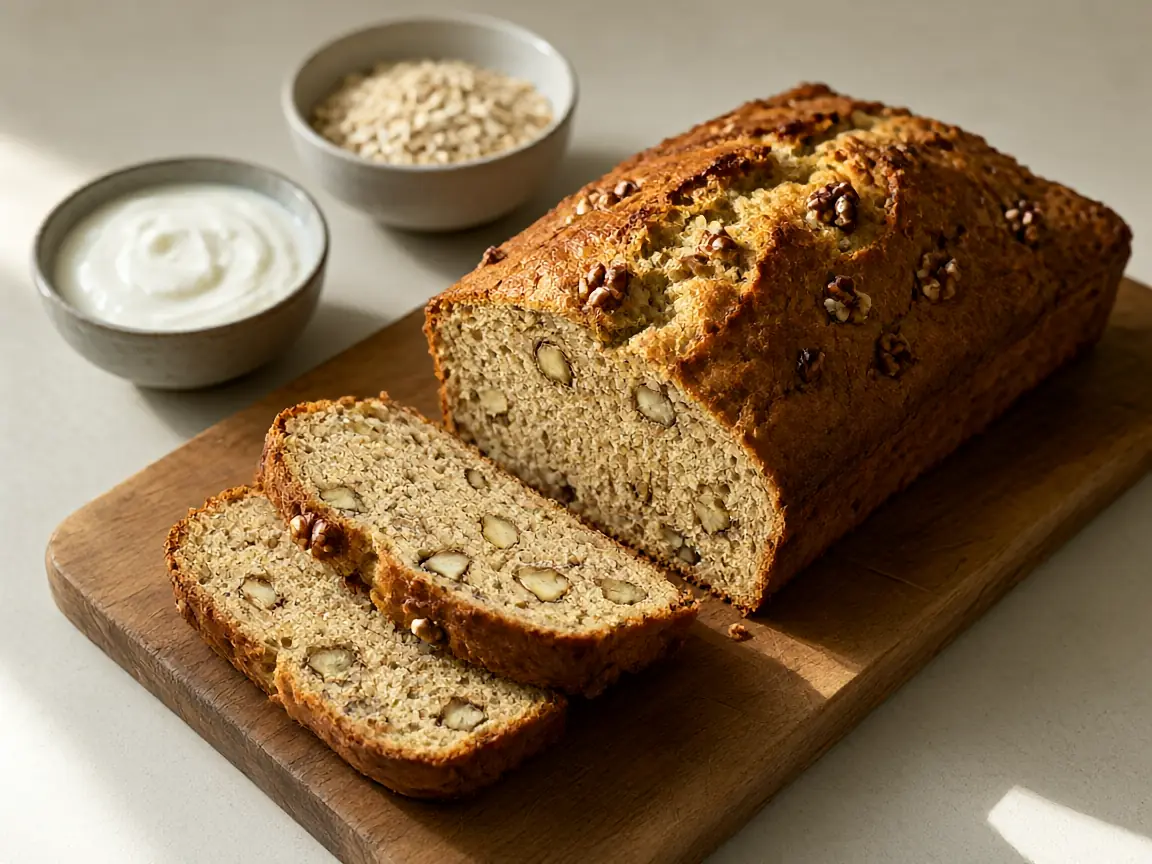
Bake until the center is set and a skewer inserted near the middle comes out with a few moist crumbs rather than wet batter. Timing varies with pan material, loaf depth, banana moisture, oven calibration, and protein powder. If the top browns before the center is ready, cover it loosely near the end of baking while following safe oven practices. Cool in the pan briefly, then transfer the loaf to a rack. Wait until it is fully cool before slicing; the crumb continues to set as steam escapes.
Choosing bananas and walnuts
Ripe bananas are easiest to mash and provide a strong banana aroma. Very dark bananas may contain more moisture, so measuring the mashed fruit is more reliable than counting fruit alone. If the bananas are small, the loaf may taste less sweet and be drier. If they are unusually large, hold back a little mashed banana until you see how the batter rests.
Walnuts add crunch and a mild bitterness that balances ripe fruit. Toasting them briefly can deepen the flavor, but let them cool before adding them to the batter. Chop the pieces so each slice has a reasonable distribution. A large amount of nuts can make slices crumbly and changes the nutrition estimate quickly, so measure them rather than pouring from the bag.
If walnuts are not suitable, use pumpkin seeds, sunflower seeds, or omit the crunchy ingredient. For an allergy-aware kitchen, review the protein powder, oats, flour, and facility statements for cross-contact. A substitution is appropriate only when it fits the person eating the food and their own allergy guidance.
Protein powder and flour choices
Whey-based powders often create a soft crumb but can become firm if the loaf is overbaked. Plant-based powders may absorb more liquid and feel grainier. Blended powders behave differently again. Check the actual serving size, protein amount, flavoring, sweeteners, and allergen statement on the package. A scoop is not a standard weight across brands.
Oat flour gives the loaf a hearty, tender character. Whole-wheat flour adds a more pronounced grain flavor and may need slightly more moisture. A mixture of oats and regular flour creates structure while keeping the texture soft. If you need gluten-free food, select appropriately labeled oats and flour and consider cross-contact handling.
Do not replace all the flour with protein powder. Flour and oats provide starch that helps the loaf hold together. Excess protein powder can make the crumb dry, rubbery, or dense. Start with the measured amount, bake a small test if you are switching brands, and change one variable at a time.
Texture troubleshooting
If the loaf is dry, check whether it baked too long, the bananas were small, the protein powder absorbed more liquid than expected, or the walnuts were over-measured. Next time, reduce the baking time slightly, add a little yogurt, or lower the protein-powder amount. Judge the crumb only after the loaf cools; a hot slice can appear wetter or firmer than it will be later.
If the center is gummy, it may be underbaked, the batter may have contained too much banana or yogurt, or the loaf may have been sliced while warm. Check the center rather than the edges, and allow the full cooling period. A deep, narrow pan also takes longer to set than a wider pan.
If the loaf sinks, check the amount of leavener, avoid opening the oven repeatedly, and confirm that the center was baked through. If the batter is very wet, adjust a small amount of flour after the rest period rather than adding a large quantity at once. Keep notes on banana weight, pan size, protein brand, and bake time so the next attempt is easier to interpret.
Flavor variations
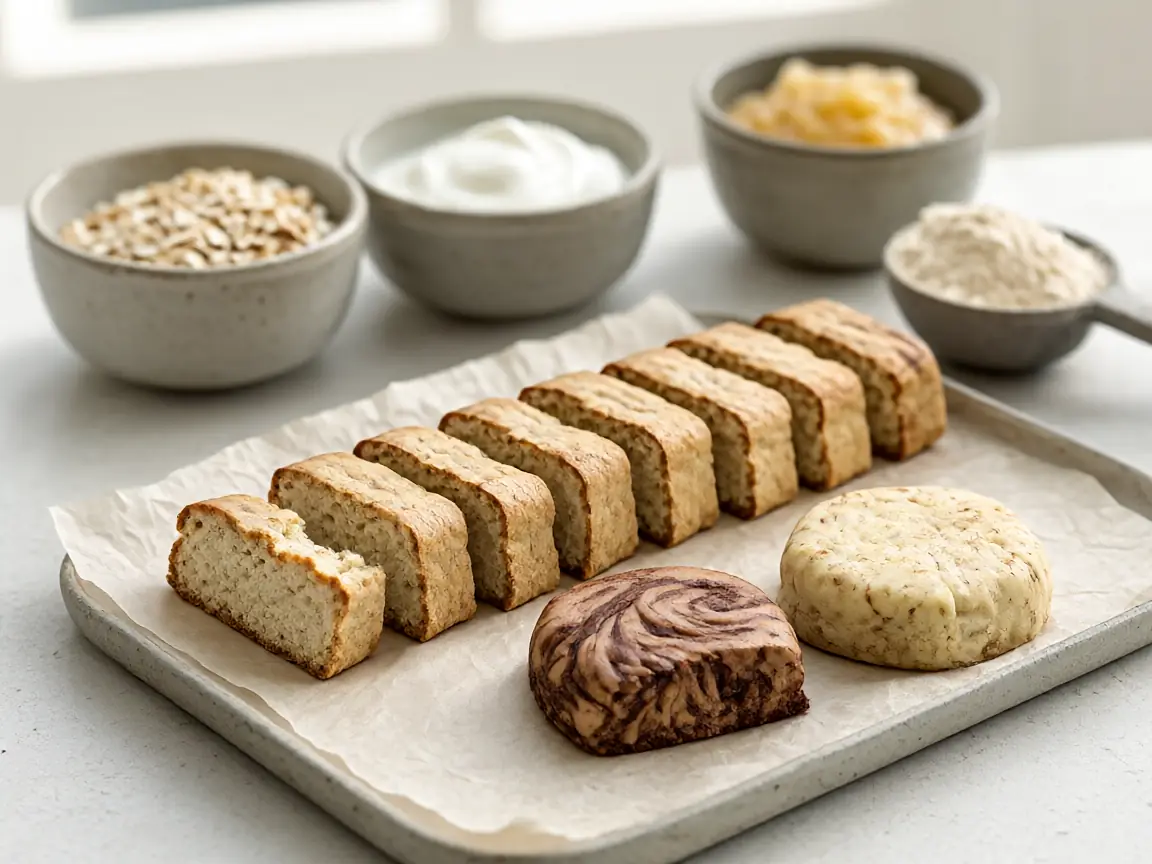
For cinnamon walnut bread, add a little extra cinnamon and keep the walnuts measured. For chocolate banana bread, replace a small amount of flour with unsweetened cocoa and add a modest amount of dark chocolate pieces if desired. For a peanut-butter swirl, use a thin measured ribbon of unsweetened peanut butter; a thick layer can make the center dense. For a fruit variation, fold in a small amount of berries, but expect extra moisture.
Use vanilla, cinnamon, citrus zest, toasted walnuts, cocoa, and a pinch of salt to build flavor. If the protein powder is sweetened, taste the batter before adding additional sweetener. The finished loaf should taste like banana nut bread, not simply like a protein product hidden inside cake.
Serve a slice with plain yogurt, cottage cheese, milk, or fruit if the occasion calls for a more complete breakfast. You can also toast a cooled slice gently and add a measured spread. Keep perishable toppings refrigerated and add them at serving rather than storing them on the loaf.
Portioning and nutrition estimates
Cool the loaf completely, then slice it evenly. A standard loaf might make 10 to 12 slices, but slice thickness is a personal choice. For a more consistent estimate, weigh the ingredients, add their label values, and divide by the number of slices you actually cut. Include walnuts, oil, spreads, and toppings. Banana size, yogurt fat content, protein powder, and flour brands all affect the result.
Nutrition figures from a generic recipe database are only estimates. Cooked and raw weights are not interchangeable, and ingredient labels can differ. If medical precision matters, use the calculation method recommended by a clinician or dietitian. Do not assume that “high protein” means the loaf is low calorie or that one slice is the right portion for every person.
One slice may work as a snack; two slices with yogurt or fruit may be breakfast for one person and more than another person wants. Consider hunger, the rest of the meal, activity, and schedule. Portioning gives you a reference point that can be adjusted without treating the food as a rule.
Storage, freezing, and serving
Allow the loaf to cool fully before sealing it. Wrap slices individually or place parchment between them in a container. If the loaf includes perishable toppings or fillings, refrigerate it promptly and follow local food-safety guidance. A warm loaf sealed too early can collect condensation and become gummy.
Freeze slices separately when you want to keep the remainder for later. Label the container with the date, thaw only the portions you plan to use, and warm gently if desired. Excessive reheating can firm a protein-rich crumb. Add yogurt, fruit, or other toppings after thawing.
For meal prep, bake one loaf, keep the next few servings refrigerated, and freeze the rest if they will not be used within your preferred storage window. This helps preserve texture and reduces waste. A slice can be packed with a cold pack when necessary, especially if served with yogurt or another perishable food.
How to fit the loaf into a meal routine
Banana nut bread can be a breakfast component, snack, or portable food. It does not need to provide every nutrient or satisfy every appetite by itself. Pair it with yogurt, eggs, milk, fruit, or another food when useful. A smaller slice may be enough before lunch; a larger serving or a side may fit a longer morning.
If you are rotating make-ahead bakes, compare this loaf with the high-protein banana bread recipe and the high-protein banana cake guide. They use overlapping ingredients but have different texture and portion formats.
A broader system can make the loaf easier to use. The high-protein meal prep guide covers batch cooking and storage, while the protein and fiber guide offers ideas for sides that add variety and texture.
Substitutions and dietary preferences
Plain soy yogurt can replace Greek yogurt in a dairy-free version, but protein content varies by product. A suitable egg replacement may work, though it can change the loaf’s structure and bake time. Use seeds instead of walnuts when appropriate, and use a protein powder that fits your dietary needs. Each substitution changes moisture and texture, so test a small batch before relying on it for a larger prep session.
For a less sweet loaf, reduce the banana slightly and add moisture from yogurt, keeping the batter thick. For a stronger banana flavor, use ripe measured fruit and avoid drowning it in cocoa or sweetener. For a lighter crumb, use some all-purpose flour alongside oats. If you need a gluten-free loaf, select labeled ingredients and follow the relevant cross-contact precautions.
There is no universally safe substitution list for allergies or medical diets. Read each ingredient label and follow individualized guidance. If an ingredient causes symptoms or a clinician has restricted it, use their advice rather than a generic recipe adjustment.
Common mistakes to avoid
The most common mistake is using too much protein powder in pursuit of a number. This can make the loaf dry and tough. Another is ignoring banana size, which changes moisture significantly. A third is cutting the loaf while it is hot. A fourth is adding walnuts, oil, chocolate, and toppings without including them in the nutrition estimate.
Do not judge the recipe by a single trial if the oven temperature or pan size changed. Measure the batter ingredients and keep the method consistent. If the first loaf has one problem, change one ingredient or step at a time. This makes the next result easier to understand.
Do not describe the bread as a treatment, a guaranteed weight-loss food, or a replacement for individualized nutrition care. It can be a useful recipe without making promises that food alone cannot support.
Related high-protein ideas
For a substantial plate rather than a baked breakfast, read the 800 calories high-protein meal guide. For bowls and flexible dinners, use the high-protein bowl recipes guide. These pages help you plan around a full meal while keeping the loaf as one optional format.
Frequently asked questions
Can I make high protein banana nut bread without protein powder?
Yes. Use Greek yogurt, cottage cheese, eggs, milk, nuts, or seeds as protein-containing ingredients. The total protein may be lower, and the moisture and structure will change. Recalculate the recipe from the actual labels.
Why is my banana nut bread dry?
It may be overbaked, contain too much protein powder, use small bananas, or use an absorbent powder. Reduce the bake time slightly, add yogurt or milk gradually, or lower the powder amount next time.
Can I use frozen bananas?
Yes. Thaw them, measure the mashed fruit, and drain excess liquid if needed. Frozen bananas can make the batter wetter, so adjust the flour or yogurt in small increments.
Can I replace walnuts with another ingredient?
Yes. Pumpkin seeds, sunflower seeds, or no crunchy addition can work. Check allergies and cross-contact, and measure the replacement because it changes texture and nutrition.
How should I store the loaf?
Cool it completely, seal it, and refrigerate it when perishable ingredients or toppings require refrigeration. Freeze individual slices for longer storage, then thaw only what you plan to eat. Follow local food-safety guidance.
Does high-protein banana nut bread guarantee weight loss?
No. A recipe can fit a practical meal pattern, but no food guarantees weight loss, muscle gain, fullness, or a medical outcome. Total intake, activity, sleep, stress, health conditions, medications, and individual needs all matter.
Editorial and safety note
This article provides general food and nutrition education, not individualized medical, dietetic, or weight-management advice. Nutrition estimates vary with brands, weights, ripeness, baking methods, and serving size. Read allergy statements, follow safe food-handling practices, and consult a qualified professional for allergies, pregnancy-related nutrition needs, kidney disease, diabetes, medication questions, or eating-related distress. See our editorial policy and disclaimer for the limits of this content.