What makes a high-protein bowl lower in calories?
A high-protein low-calorie bowl is not defined by one universal calorie cutoff. Serving size, ingredient brands, cooking methods, and toppings all affect the final amount, so a bowl that fits one person's plan may not fit another's. A more useful approach is to build around a protein-rich ingredient, add plenty of vegetables for color and texture, choose a satisfying base, and use sauces, oils, cheese, nuts, and crunchy toppings intentionally. This guide offers adaptable examples rather than fixed nutrition promises or a prescribed calorie target.
The format is convenient because its parts can be prepared separately and combined at serving. That makes it easier to adjust the amount of rice, potatoes, beans, or dressing without changing the whole meal. It also allows a cook to prepare more than one protein or vegetable and avoid eating exactly the same bowl every day. A lower-calorie choice does not need to be austere: herbs, citrus, salsa, spices, pickled vegetables, and a modest amount of a flavorful sauce can give a bowl character.
Individual needs differ. Appetite, activity, health conditions, medications, culture, food access, and personal goals all matter. A clinician or registered dietitian can help if you need a specific energy target or have a condition that affects what you eat. If calorie counting is upsetting or has contributed to disordered eating, you do not need to use this article as a tracking plan; focus on practical meal ideas with qualified support.
Use a flexible four-part bowl formula
Start with one protein anchor, such as chicken, turkey, fish, shrimp, eggs, tofu, tempeh, edamame, beans, lentils, cottage cheese, or plain Greek yogurt. Next choose a vegetable base or mix: leafy greens, cabbage, cucumber, tomatoes, broccoli, peppers, carrots, zucchini, mushrooms, or frozen vegetables. Add a satisfying starch or legume that you enjoy, such as rice, quinoa, potatoes, corn, beans, or a smaller blend of grains and vegetables. Finish with a flavor element—salsa, lemon, vinegar, herbs, yogurt sauce, or a measured spoon of dressing.
The formula is a planning aid, not a rule that every bowl must contain four separate ingredients. A bean-and-vegetable chili bowl already brings protein, produce, and starch together. A salad topped with salmon and potatoes may not need rice. The goal is to make the meal satisfying and practical while noticing which ingredients contribute most to flavor, texture, and energy. If you remove a component, consider what function it served and whether you want to replace that function.
Portion amounts can change the energy content substantially. A larger grain portion, a generous pour of oil, creamy dressing, cheese, nuts, avocado, and crispy toppings can turn a vegetable-rich bowl into a much more energy-dense one. None of these foods is forbidden; they simply deserve deliberate portions when the goal is a lighter bowl. Measuring a dressing once or using a small spoon can help a cook understand what their usual pour looks like without requiring permanent weighing.
Choose a protein that fits your meal and preferences
Lean poultry, white fish, shrimp, egg whites with a whole egg, tofu, and some lower-fat dairy products can make it straightforward to include protein without relying on large amounts of added fat. But there is no requirement to choose the leanest possible food. Salmon, whole eggs, beans, tempeh, and other options can fit too; balance the bowl with the other ingredients and the serving that feels right. Taste, cost, allergens, cooking time, and availability matter just as much as a nutrition label.
For a quick bowl, use leftover cooked chicken, canned tuna or salmon, frozen shrimp, hard-cooked eggs, or rinsed canned beans. Check labels for sodium and allergens if relevant. If you use a packaged or prepared protein, consider whether it is already salty or seasoned before adding soy sauce, cheese, or a salty dressing. Season gradually and taste after the components are combined.
Plant-based bowls can be substantial without using a meat substitute. Tofu with edamame, lentils with Greek yogurt sauce, or black beans paired with a modest amount of cheese can each contribute protein. Products vary, so compare the actual label instead of assuming all plant-based alternatives have the same amount. If you are combining several protein foods, you can keep each serving moderate and still make the meal flavorful.
Build volume and crunch with vegetables
Vegetables create color, contrast, and texture. Use a cooked vegetable for warmth and softness, a raw vegetable for freshness, or a little of each. Roasted broccoli and peppers pair well with a cool cucumber garnish. Shredded cabbage can add crunch to a warm bean bowl. Mushrooms and zucchini work in a skillet bowl, while tomatoes and greens bring a fresher note. Frozen vegetables are a convenient option when fresh produce is costly or likely to spoil.
Use cooking methods that do not quietly add large amounts of oil. Roast vegetables on parchment, steam them, grill them, or cook them in a nonstick pan with a small measured amount of oil or broth. Browning can improve flavor, but a generous pour of oil can change the total energy significantly. A spray can help distribute a small amount, but labels and the amount used still matter. Season with garlic, smoked paprika, pepper, chili, lemon zest, or vinegar to add interest without relying on a heavy sauce.
Vegetables are not a way to make an unwanted meal seem virtuous. Choose vegetables you genuinely enjoy and prepare them so the texture suits the bowl. If a huge raw salad feels uncomfortable, use cooked vegetables or a smaller amount. If a bowl turns watery in storage, roast or drain the vegetables and pack dressing separately. The best vegetable choice is one that will be eaten and can be prepared safely.
Choose a base without making it the whole bowl
Rice, potatoes, quinoa, corn, beans, and whole grains can all fit into a high-protein bowl. To make a lighter version, start with the amount that suits your hunger and include vegetables alongside it rather than treating the starch as the only base. A half-and-half mixture of cauliflower rice and regular rice is one option if you like the texture; it is not nutritionally identical to a full grain portion, and it is not required. Shredded cabbage, greens, roasted vegetables, or a small potato portion can also provide a different foundation.
Carbohydrates can be useful foods, especially for people who train or prefer them. There is no need to eliminate rice, beans, corn, potatoes, or whole grains simply because a bowl is intended to be lower in calories. The practical lever is the serving and the overall combination. Someone with a longer or more active day may prefer more of the base; another person may want additional vegetables or a different meal size. An individualized plan is more appropriate when exact targets matter.
Use sauces and toppings for flavor, not as a mystery
Sauce often determines whether a bowl tastes memorable, but it can also contribute more energy than expected. Make a bright yogurt sauce with plain yogurt, lemon, herbs, garlic, and pepper; thin it gradually with water. Salsa, pico de gallo, vinegar-based slaw, citrus juice, chili sauce, and herb vinaigrette can add strong flavor in small amounts. For a richer sauce, measure the amount you use and enjoy it rather than pouring without noticing.
Crunchy toppings such as nuts, seeds, tortilla strips, croutons, cheese, and fried onions can be very satisfying. They are also concentrated, so a small finishing portion may go a long way. Choose the topping that adds the most contrast and skip the extras that do not improve the bowl. A few toasted pumpkin seeds can bring crunch; a sprinkle of cheese can add a salty note. You do not need every topping at once.
Flavor can also come from pickled onions, kimchi, olives, capers, fresh herbs, citrus zest, roasted spices, or a small spoonful of a strongly flavored condiment. Check salt when using several packaged or pickled components together. A layered bowl often tastes complete with one creamy element, one sharp or acidic note, and one fresh or crisp ingredient; it does not need a large amount of every sauce in the refrigerator.
Four high-protein low-calorie bowl ideas
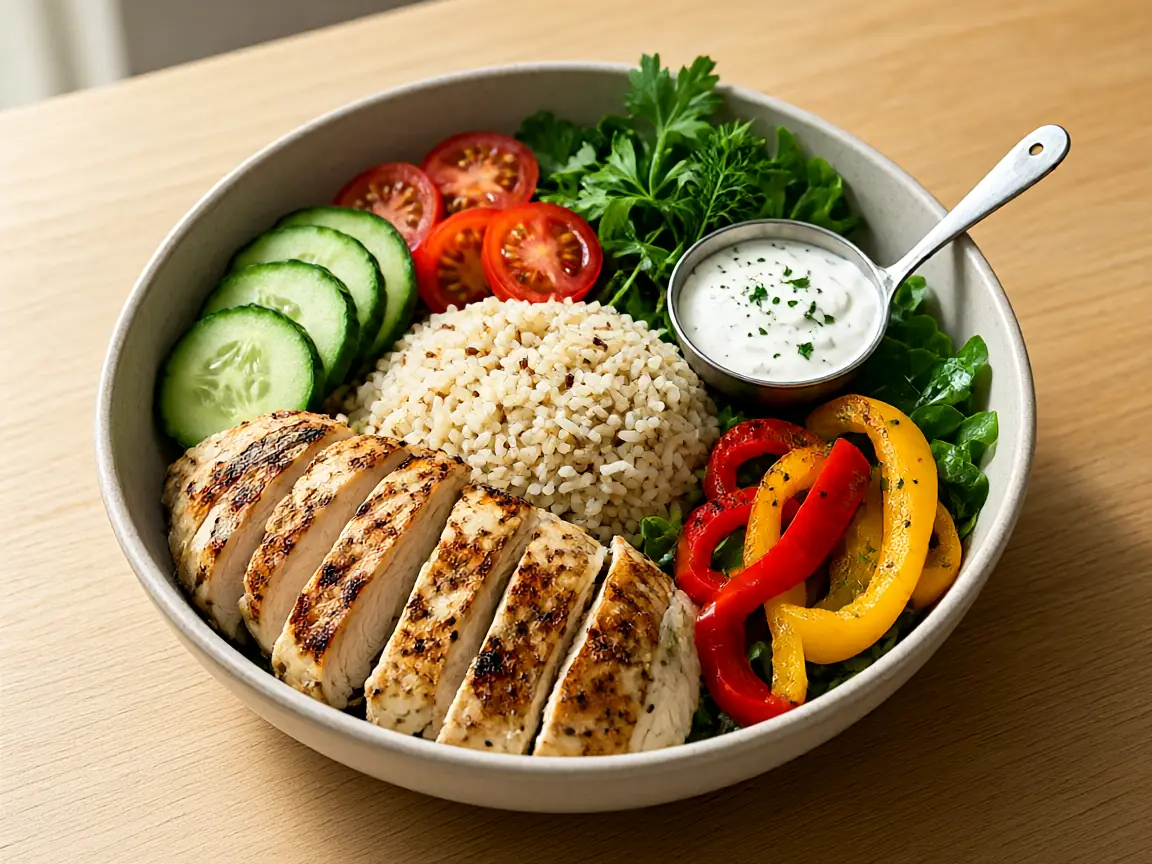
Lemon chicken and crunchy cucumber bowl
Layer leafy greens or a small scoop of rice with sliced chicken, cucumber, tomatoes, roasted peppers, and lemon-yogurt sauce. Season the chicken with garlic, black pepper, and oregano. Keep sauce separate until serving so the greens do not wilt. If you want more starch, add potatoes or rice; if you prefer a lighter base, use extra greens and vegetables. The finished energy and protein depend on your portions and the products you use.
Shrimp, cabbage, and corn bowl
Cook shrimp in a hot pan with chili, lime, and garlic. Serve with shredded cabbage, a modest scoop of corn or rice, chopped tomatoes, and salsa. The cabbage stays crisp and provides contrast with the warm shrimp. A spoon of plain yogurt can soften the heat. Frozen shrimp and corn can make this meal convenient, but thaw and handle them according to package directions.
Tofu and edamame vegetable bowl
Brown cubed tofu and warm edamame with broccoli, mushrooms, and shredded carrots. Use a small amount of soy sauce or tamari, ginger, rice vinegar, and chili. Serve over a portion of rice or a rice-and-cauliflower-rice blend. Keep some vegetables crisp and sauce the bowl at the end. If choosing a packaged tofu or sauce, check labels for allergens and sodium that fit your needs.
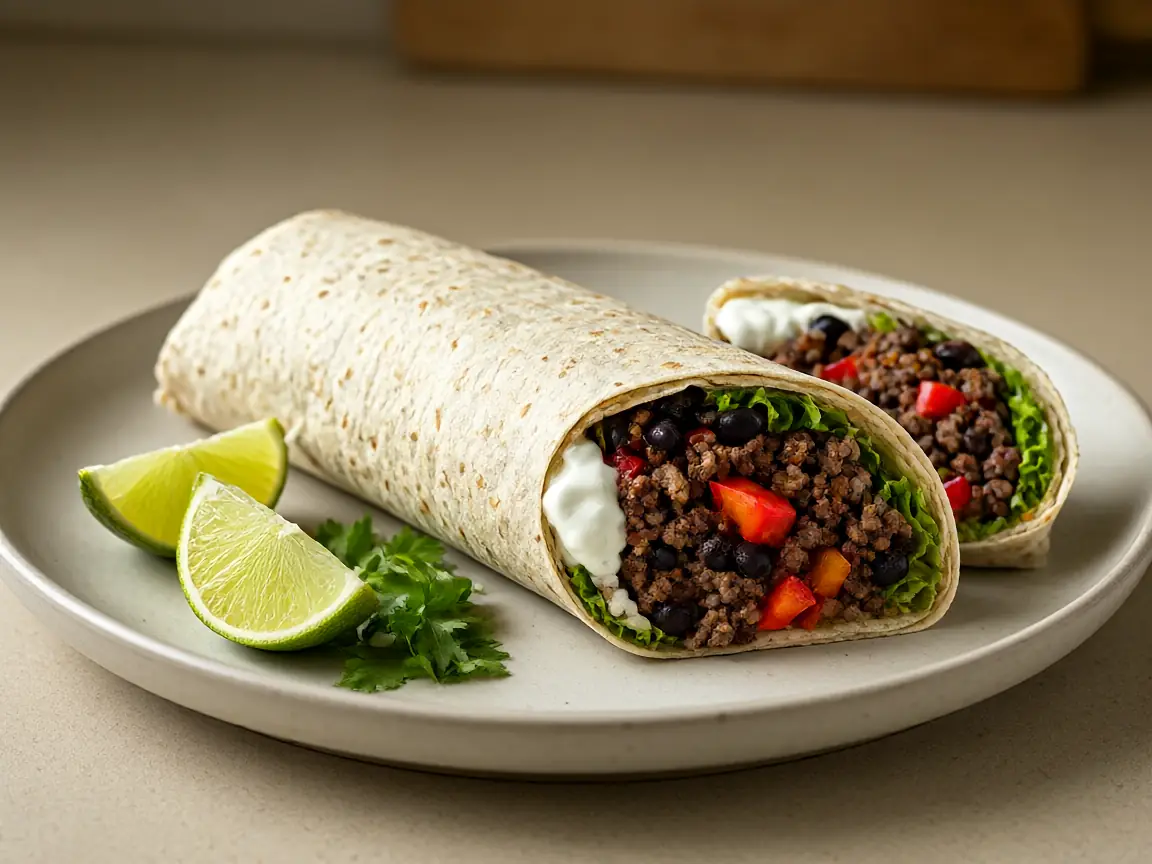
Turkey taco and black bean bowl
Cook lean ground turkey with cumin, smoked paprika, garlic, and a little tomato paste. Add black beans, lettuce, tomatoes, salsa, and a small portion of corn or rice. A measured spoon of yogurt or avocado can provide a cool creamy finish. Because salsa, beans, and spice blends can contain salt, taste before adding extra. This bowl can be packed with the warm turkey-bean mixture separate from the cold vegetables.
Make the bowls easier to prepare ahead
Prepare components rather than assembling every bowl at the start of the week. Cook one or two proteins, roast a tray of vegetables, prepare a grain or potato, and mix one sauce. Store hot food in shallow containers and refrigerate promptly. Keep raw greens, watery vegetables, crunchy toppings, and dressing separate if they soften during storage. Label containers with the preparation date and use current food-safety guidance for cooling, refrigeration, and reheating.
Vary the final seasoning to avoid repetition. The same chicken can become lemon-herb one day and taco-seasoned the next; tofu can take ginger-vinegar dressing or a fresh herb sauce. Change one or two elements at serving instead of preparing several complete recipes. This approach can save time and reduce food waste, while still leaving room to choose a different portion or meal on a day when appetite changes.
Plan for a no-cook fallback. A bowl assembled from canned beans, prewashed greens, leftover chicken, tomatoes, and salsa may be more realistic than a fresh cooking session. Frozen vegetables and microwaveable grains can also help on busy evenings. Convenience foods are tools, not a failure. Check storage instructions and package dates, and do not keep cooked components longer than recommended.
How to compare portions and nutrition without overpromising
If you need to estimate calories or protein, use the actual weights, package labels, and number of servings in your recipe. Divide the full recipe by the portions you truly make, rather than assuming each bowl is identical. A nutrition app or calculator provides an estimate; brands, cooking losses, drained weights, and toppings can change the result. The word “low-calorie” in a search phrase does not guarantee that every serving will meet a particular threshold.
One helpful comparison is to notice which ingredients contribute concentrated energy and which add flavor or volume at a smaller amount. Oil, dressings, cheese, nuts, seeds, avocado, and fried toppings are not bad foods; they are simply easy to add in larger portions than intended. Measure them once if you want to learn your typical serving, then choose intentionally. A smaller amount of a favorite sauce can be more satisfying than a larger amount of a sauce you do not enjoy.
For context, the National Institute of Diabetes and Digestive and Kidney Diseases describes sustainable weight management as involving an eating pattern that can be maintained and includes vegetables, fruits, whole grains, dairy or suitable alternatives, and protein foods. Its guidance is general; it does not prescribe the same portions or calorie amount to every person. Read the NIDDK overview of eating and physical activity for weight management for broader context.
Common bowl mistakes and simple fixes
Using several calorie-dense toppings at once
Oil, creamy dressing, cheese, nuts, seeds, avocado, and crispy toppings can all be delicious, but combining large amounts of several makes a bowl heavier than expected. Pick one or two that matter most to flavor and portion them deliberately. If you want a creamy finish and a crunchy topping, reduce or skip the extra oil in cooking.
Making the bowl too small to satisfy
A very small serving may leave you hungry, especially on an active day. Add a little more protein, starch, vegetables, or a side according to appetite and professional advice. Lower-calorie does not mean smallest possible. Persistent hunger or low energy is useful feedback, not a reason to blame yourself.
Relying on a huge raw vegetable base
Some people find a large raw salad uncomfortable or unappealing. Cooked vegetables, soup-like bowls, warm cabbage, or a combination of raw and cooked ingredients may work better. Adjust fiber gradually if your usual diet is low in it and seek clinical advice if gastrointestinal symptoms persist.
Adding sauce without checking its role
Dressings can be salty, sweet, creamy, or oily in different proportions. Read the label if that information matters to you, and use a spoon or small cup to learn the amount you prefer. Acid, herbs, and spices can make a bowl vivid without relying entirely on extra dressing.
A simple weekly rotation
Choose two protein anchors, two bases, several vegetables, and two sauces. For example, make chicken and tofu; rice and roasted potatoes; broccoli, cucumber, tomatoes, and greens; then lemon-yogurt sauce and salsa. Assemble different combinations instead of repeating the same bowl. Add beans to one, use more vegetables in another, or pack a warm component separately when you prefer it hot.
Before shopping, review what you already have and select meals that use those foods. Buy only the missing items, including enough fresh produce for the days it can stay in good condition. Keep a backup protein in the pantry or freezer for schedule changes. For additional structure, our high-protein meal-prep guide explains a broader batch-cooking routine.
Related high-protein meal ideas
If you want a flexible bowl formula without the low-calorie emphasis, see our high-protein bowl recipes guide. The protein-and-fiber meal guide covers a related but different way to pair foods, and the body recomposition meal overview offers another context for meal planning. Browse the high-protein recipe collection for more formats.
In short, build a lighter bowl around a protein food you enjoy, vegetables that suit your taste, a flexible base, and a purposeful amount of flavorful additions. Treat portions as adjustable, not moral judgments. Use labels when you need an estimate, keep food safety in view during prep, and seek individualized advice when a health condition or specific target makes general guidance insufficient.