Protein Bar with No Sugar Alcohol: What to Check Before You Buy
Primary keyword: protein bar with no sugar alcohol. This guide focuses on how to identify protein bars without sugar alcohols and compare the trade-offs in sugar, fiber, sweetness, texture, and serving context.
Quick answer
Use the ingredient roles and method below, then adjust the serving size to your appetite and schedule. The most useful version is the one that can be made safely, stored well, and eaten with enjoyment. Nutrition numbers are estimates, and individual needs vary.
What this format is designed to do
The useful question is not whether how to identify protein bars without sugar alcohols and compare the trade-offs in sugar, fiber, sweetness, texture, and serving context sounds impressive, but whether the format can be prepared, eaten, and repeated in the real week. A practical plan has a defined portion, a short ingredient list, a clear stopping point, and an answer for what happens to the leftovers. This article treats protein bar with no sugar alcohol as a food-format problem: decide what the meal must do, assign each ingredient a job, and remove the steps that add work without improving flavor, texture, or convenience. That approach keeps the result flexible for different appetites while preventing the common mistake of making a high-protein meal so elaborate that it is abandoned after one attempt.
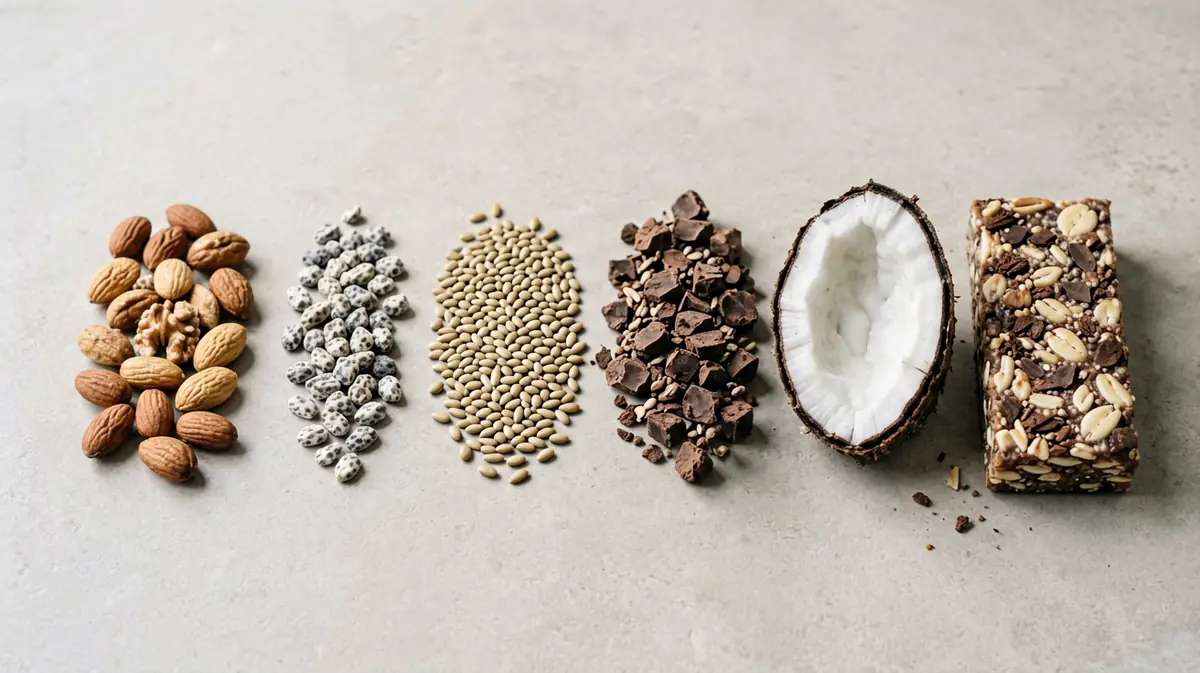
Each component in this plan has a role. The full ingredient list, total sugar, added sugar, fiber, protein source, syrups, dates or fruit concentrates, stevia or monk fruit, fats, sodium, and allergen information are not included as decoration; they contribute structure, moisture, flavor, energy, or staying power. Protein supplies the central identity of the meal, while produce, grains, legumes, seeds, or sauces determine how satisfying and enjoyable it feels. Thinking in roles makes substitutions easier: if an ingredient is removed, replace its function rather than its name. A dry powder needs moisture, a wet vegetable needs a drainage plan, and a strong sauce needs a neutral base. This is why the method begins with organization instead of rushing straight to the pan or mixing bowl.
Ingredients and label checks
Start with the full ingredient list, total sugar, added sugar, fiber, protein source, syrups, dates or fruit concentrates, stevia or monk fruit, fats, sodium, and allergen information. Measure the ingredients that determine moisture, sweetness, salt, or serving size. Read labels for allergens and choose products that fit your needs.
- Choose a protein source you genuinely tolerate and enjoy.
- Add a produce, legume, grain, or seed component for texture and variety.
- Keep sauces, sweeteners, oils, and crunchy toppings measurable because small additions accumulate across a batch.
- Write the number of servings on the plan before cooking or assembling.
Method and timing
The protein number should be treated as a planning target, not a promise that every batch will match a label exactly. Add the protein listed for each ingredient, account for the number of portions, and use the final prepared weight when portions are not visually identical. The current package label rather than a universal category rule; products can have similar marketing language but very different amounts of sugar, fiber, fat, and protein. If one serving is smaller or larger than planned, the amount changes with it. This simple calculation is more useful than a rounded headline because it shows which ingredient is doing the work and where a substitution may move the result. It also keeps the meal honest: a product can be marketed as high protein while still being a small snack rather than a complete meal.
Texture is the quality most likely to decide whether protein bar with no sugar alcohol becomes a regular choice. Searching the ingredient list for common sugar alcohol names, checking whether sweetness comes from sugar or concentrated fruit, comparing total calories with protein, and deciding whether the bar is a snack or a meal component. The sequence matters because moisture needs time to distribute and because hot ingredients can soften foods that are meant to stay crisp. If the mixture feels loose, wait before adding more dry ingredients; if it feels crumbly, add liquid in small amounts. When a bowl or packed meal feels flat, the solution is often contrast: a cool creamy element, a crisp topping, an acidic pickle, or a toasted seed. Texture adjustments should be small, deliberate, and recorded for the next batch.
A reliable prep session starts with a short setup. Read the entire ingredient list, place a container for scraps nearby, line the pan or set out the storage boxes, and measure the ingredients that are easy to over-pour. Then follow the main sequence: searching the ingredient list for common sugar alcohol names, checking whether sweetness comes from sugar or concentrated fruit, comparing total calories with protein, and deciding whether the bar is a snack or a meal component. This order reduces backtracking and makes it easier to notice a missing ingredient before the food is already cooking. The goal is not restaurant-level precision; it is a calm sequence that can be repeated on a busy day. When a step can be done while another component cooks, combine those tasks only if food safety and attention are not compromised.
Make the batch easier to repeat
Equipment changes the result, but it does not need to be specialized. A kitchen scale helps with even portions, a sharp knife improves vegetable consistency, a lined pan makes chilled mixtures easier to remove, and shallow containers help hot food cool more quickly. For protein bar with no sugar alcohol, use the smallest tool that gives you control: a bowl for mixing, a pan that matches the batch size, and containers that do not leave a large empty space around the food. If the recipe is doubled, a crowded pan may steam instead of brown, while an undersized container can make portions look larger than they are.
Substitutions work best when they protect the purpose of the original ingredient. The main options here are to use a yogurt bowl, eggs, nuts with fruit, roasted edamame, or a homemade bar when a packaged product does not meet taste or tolerance needs. When changing a protein powder, dairy product, wrap, grain, or canned ingredient, expect differences in moisture, salt, sweetness, and cooking time. Make one substitution at a time when possible. That makes troubleshooting easier and prevents the common problem of changing five variables and then not knowing why the finished food is too wet, too firm, too salty, or difficult to store. A good substitute is one that fits the person eating it, not merely one that looks similar in a shopping list.
Budget matters because a food plan is only useful when it fits the household. Compare the cost of the complete serving rather than the package price, and use the same base ingredient in more than one meal when it will not feel repetitive. Eggs, yogurt, legumes, frozen vegetables, oats, rice, potatoes, canned fish, and store-brand staples can support a high-protein routine without requiring a shelf full of specialty products. For this protein bar with no sugar alcohol plan, the most expensive item should earn its place through flavor, convenience, or a specific dietary need. Otherwise, choose the simpler option and spend effort on seasoning and preparation.
Fiber and volume can be adjusted without changing the central idea. Add vegetables, berries, legumes, oats, seeds, or whole grains in an amount that feels comfortable, and increase gradually if the current diet is low in fiber. The full ingredient list, total sugar, added sugar, fiber, protein source, syrups, dates or fruit concentrates, stevia or monk fruit, fats, sodium, and allergen information can be balanced with a colorful produce component and a source of fluid. People differ in tolerance, so a very large raw salad is not automatically a better choice than cooked vegetables or a small serving of beans. The practical test is whether the meal keeps its texture, travels well, and feels comfortable enough to eat again. High protein and high fiber should be built around preference, not punishment.
Portioning, storage, and reheating
Flavor can be planned with the same role-based logic. Start with salt or a salty ingredient only after checking the label, then add acid, herbs, spices, toasted notes, or a creamy element. For a sweet format, use cocoa, cinnamon, citrus zest, vanilla, fruit, or a measured sweetener; for a savory format, use garlic, pepper, smoked spices, lemon, vinegar, salsa, or herbs. Do not solve every flavor problem with more sweetener or more sauce. A small amount of contrast is often enough. The finished protein bar with no sugar alcohol should taste like food someone chose to eat, not like a nutrition target disguised as a snack.
Portioning is where a good batch becomes a usable routine. Decide the number of servings before you divide the food, then use a scale or an equal scoop for consistency. Mark containers when portions are easy to confuse, and keep add-ons such as sauce, crunchy toppings, or fruit separate when they change texture. A larger serving can be appropriate for one person and too much for another; the value of a measured portion is that it gives you information, not that it imposes a rule. If hunger is higher on a training or long-work day, add a planned side rather than quietly making every portion larger.
Storage is part of the recipe rather than an afterthought. Store bars at room temperature unless the label says otherwise, protect them from heat, and keep the package intact until use so the label and allergen information remain available. Cool cooked food promptly, use clean containers, and avoid sealing very hot food in a deep stack where heat remains trapped. Keep a date on batches that will be eaten over several days. If texture deteriorates, separate wet and dry components, reduce the storage window, or freeze the part that handles freezing well. Smell and appearance are not perfect safety tests, so follow local food-safety guidance and discard food that has been held improperly. Convenience should never depend on taking a safety shortcut.
How to judge the result
Reheating should restore the intended texture rather than simply make the center hot. Use short intervals, stir or turn where appropriate, and add a small amount of water or sauce only when the food needs it. A chilled bar may need a few minutes at room temperature, while a burrito or bowl may need covered heat followed by a brief uncovered finish. For a product guide, the equivalent step is letting a bar reach a normal serving temperature before judging texture. A fair test uses the same conditions each time; otherwise a cold, crushed, or overheated sample can lead to the wrong conclusion.
The best weekly routine has a fallback. If there is no time to cook the full method, keep a simplified version available: a packaged protein with fruit, yogurt with oats, a bean-and-egg bowl, or a portion assembled from leftovers. The fallback protects the habit without pretending that every day has the same energy or schedule. For protein bar with no sugar alcohol, write the minimum viable version in one sentence and keep its ingredients visible. Then reserve the full batch for a day when preparation is realistic. A food system becomes durable when it includes ordinary imperfect days instead of treating them as failures.
Nutrition and practical limits
The current package label rather than a universal category rule; products can have similar marketing language but very different amounts of sugar, fiber, fat, and protein. Avoid treating a protein number as a complete description of food quality. Sodium, added sugar, fiber, fat, allergens, cost, and enjoyment can all matter. If you need medically precise targets, ask a qualified professional for advice that considers your full history.
Food safety also matters: use clean equipment, cook foods appropriately, refrigerate promptly, and follow the package or local guidance for storage. When a product label changes, recalculate instead of assuming the old numbers still apply.
Frequently asked questions
Can I change the main protein?
Yes. The best choice is a protein source that matches your preferences, budget, allergies, and cooking setup. Use the role-based substitution rule: replace a dry ingredient with another dry ingredient, a creamy base with another creamy base, and a cooked protein with one that has a similar moisture and portion behavior. Recheck seasoning and serving size after the swap.
How should I adjust the portion?
Begin with the stated serving count, then use hunger, schedule, activity, and the rest of the meal to decide whether you need more or less. A measured portion is a reference point, not a medical instruction. Add a planned side when that is more useful than changing the entire batch.
Can I prepare it ahead?
Usually, yes, when you follow the storage plan: store bars at room temperature unless the label says otherwise, protect them from heat, and keep the package intact until use so the label and allergen information remain available. Keep components separate if moisture changes texture, label the date, and do not rely on appearance alone to judge food safety.
Is the nutrition number exact?
No. It is the current package label rather than a universal category rule; products can have similar marketing language but very different amounts of sugar, fiber, fat, and protein. Use the labels and weights for the ingredients you actually use when precision matters, and remember that nutrition information does not replace individualized guidance.
What if I do not like the texture?
Change one variable at a time. Add or remove moisture gradually, use a different storage container, shorten the storage window, or introduce a crisp or acidic component at serving. Record the change so the next batch teaches you something instead of starting from zero.
Continue with related guides
Best protein bar low sugar · High-protein recipes · About Protein Meal Prep Lab
Editorial note: This article is general education, not individualized medical or dietetic advice. Review the site's editorial policy and disclaimer before applying nutrition information to a medical condition.