High protein beef stew with beans and vegetables
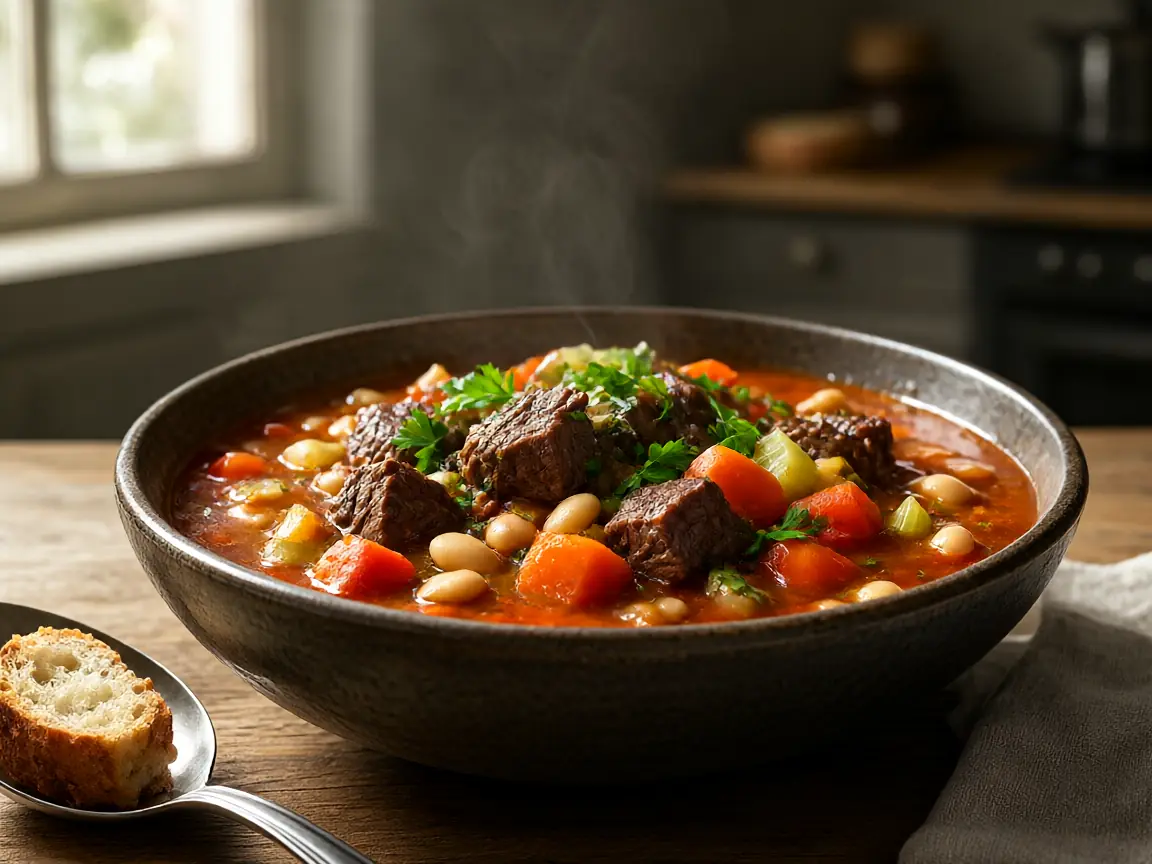
This high protein beef stew is built around tender braised beef, cannellini beans, carrots, celery, onion, and a savory tomato-herb broth. Browning the beef first gives the broth deeper flavor; a slow simmer then makes the cubes tender while the vegetables soften without disappearing. The beans add a second source of protein and make the pot more substantial, while their starch gently thickens the liquid. This is a practical one-pot dinner for a family meal or planned leftovers, not a fixed nutrition prescription. The amount of protein and energy in a bowl depends on the cut of beef, serving size, beans, broth, and any side dishes.
Ingredients for six servings
Use about 1 1/2 pounds beef chuck or another suitable stew cut, trimmed of large exterior fat and cut into 1 1/2-inch cubes; 1 tablespoon olive oil; 1 medium yellow onion diced; 3 carrots cut into thick coins; 2 celery ribs chopped; 3 garlic cloves minced; 2 tablespoons tomato paste; 1 teaspoon dried thyme; 1/2 teaspoon dried rosemary; 1 bay leaf; 4 cups lower-sodium beef broth; 1 tablespoon Worcestershire sauce if desired; 1 can (about 15 ounces) cannellini or great northern beans, drained and rinsed; and black pepper. Add salt gradually after tasting the broth. Chopped parsley is an optional finish.
For a thicker stew, keep a small amount of beans aside and mash them before stirring them into the pot near the end. For a thinner broth, add a little more stock. Choose a stew cut intended for moist, slow cooking; very lean quick-cooking steak may turn dry or firm during a long simmer. If your beef is sold in large pieces, cut it evenly so the cubes finish at roughly the same time.
Brown the beef for deeper flavor
Pat the beef dry with paper towels and season lightly with black pepper. Heat a heavy Dutch oven or deep pot over medium-high heat. Add the oil, then brown the beef in batches. Leave space between pieces so they sear instead of steaming in their own moisture. Turn the cubes after a crust forms on one side; they do not need to cook through at this stage. Transfer browned beef to a plate and repeat with the remaining pieces. If the pot looks dry, add a small amount of oil, but avoid excessive oil because the beef will release some fat as it cooks.
After browning, lower the heat to medium. Add onion, carrots, and celery with a small pinch of salt. Stir and scrape the browned bits from the pot as the vegetables release moisture. Cook until the onion begins to soften, then add garlic, tomato paste, thyme, and rosemary. Stir for about a minute to coat the vegetables and toast the tomato paste lightly. This short step helps integrate the herbs and tomato flavor into the broth.
Return the beef and any plate juices to the pot. Pour in the broth and Worcestershire sauce if using, then add the bay leaf. The liquid should mostly surround the meat but does not need to cover every cube. Bring the pot just to a gentle boil, then reduce the heat so only occasional bubbles rise. Cover with the lid slightly ajar and simmer until the beef is tender, often about 1 1/2 to 2 hours depending on the cut and cube size. Check occasionally and stir gently, adding a splash of broth or water if the liquid level becomes low.
When the beef is nearly tender, stir in the drained beans and continue simmering for about 15 minutes so they warm through and take on some of the broth flavor. If you prefer a thicker consistency, mash a few beans against the side of the pot and stir them back in. Taste and adjust salt, pepper, and herbs. Remove the bay leaf before serving. Finish with parsley if you like a fresh contrast to the deep, slow-cooked broth.
How to judge the texture
Good stew beef should yield easily to a fork without turning into dry fibers. If the cubes are still chewy, continue simmering gently and check again in 15-minute intervals. Toughness is often a sign that connective tissue needs more time to soften, not that the stew needs a higher flame. A rapid boil can make the meat fibers tighten and can break the vegetables apart. Keep the pot at a calm simmer and allow the cut to become tender gradually.
The broth should coat a spoon lightly but remain pourable. If it is too thin, simmer uncovered briefly or mash more beans into it. If it is too thick, loosen it with warm broth or water and taste again. Because broth and canned beans vary in salt, season near the end rather than salting heavily at the beginning. A splash of vinegar or lemon juice can brighten a rich pot, but add it in small amounts so it does not dominate the beef and herbs.
Recipe snapshot
- Yield: about 6 bowls
- Preparation: about 20 minutes
- Simmering: roughly 1 1/2 to 2 hours, depending on the beef
- Equipment: heavy Dutch oven or deep, lidded pot
- Texture: tender beef, soft vegetables, creamy beans, savory broth
These times are kitchen estimates, not guarantees. The shape of the cubes, age and cut of the beef, pot material, and stove setting all affect the simmer. Start checking tenderness before the longest time listed and continue as needed. The recipe makes six portions when divided evenly; larger bowls or extra bread will change the overall meal.
Why include beans in beef stew?
Beans contribute texture, mild flavor, and plant protein alongside the beef. Cannellini and great northern beans are soft enough to blend into the broth slightly but firm enough to remain visible when added late. They also make the pot more filling without requiring a large amount of meat per bowl. Their contribution will depend on how much of the can you use and how the pot is portioned, so calculate nutrition from the label if you need a close estimate.
If you prefer a classic beef-and-vegetable stew without beans, omit them and add another carrot, potato, or a cup of mushrooms. That changes the texture and nutrition, but the braising method stays the same. If you want more bean texture, stir them in during the last 10 to 15 minutes; if you prefer them softer, add them earlier. Avoid adding dry beans directly unless they have been properly soaked and cooked, because the liquid and timing of this recipe are designed for canned beans.
Rinse canned beans under cool water and drain them well. This removes the packing liquid and gives you more control over salt and broth consistency. If sodium is a concern, compare labels and choose an appropriate product. Low-sodium beans and broth can still make a flavorful stew when the aromatics, herbs, tomato paste, and final seasoning are balanced.
Ingredient swaps and flavor choices
Choose a different beef cut
Chuck is common for stew because it becomes tender during moist cooking. Other braising cuts can work, but cooking time may change. If you use a leaner cut, check tenderness earlier and avoid simmering it longer than necessary. Pre-cut stew meat can vary because it may contain pieces from different parts of the animal; trim large pieces to a similar size for more even results.
Change the vegetables
Parsnips can replace some carrots, while mushrooms add a savory quality. Green beans are best added later so they do not become limp. Potatoes can be included, but they absorb broth and make the stew thicker; cut them into large pieces and add them during the final 30 to 40 minutes, adjusting liquid as needed. If you add several vegetables, keep the pot from becoming crowded so the broth can circulate.
Adjust the herbs
Thyme and rosemary make a familiar beef-stew profile. Bay leaf contributes background aroma but should be removed before serving. A little smoked paprika, oregano, or black pepper can create a warmer flavor. Fresh herbs are more delicate than dried; add parsley or thyme leaves near the end. Start with modest quantities and taste after the beef has simmered, because the broth concentrates as it reduces.
Make it gluten-free
The listed ingredients can be selected gluten-free, but Worcestershire sauce, broth, and spice blends may vary. Check package labels and use a certified product if necessary. The stew does not rely on flour for thickening; mashed beans or a short uncovered simmer can provide body without a flour roux. If serving with bread, choose a safe option for the person eating it.
Serving ideas that keep the stew central
Serve the stew in a warm bowl with parsley and cracked pepper. A slice of bread, cooked barley, or a small baked potato can be offered alongside, but none is required for the stew to work. If you want a lighter side, serve with a crisp green salad or roasted vegetables. Keep toppings simple so the beef, beans, and broth remain the focus.
For consistent portions, divide the cooked stew into six containers using a ladle and distribute the beef and beans evenly rather than filling each container with mostly broth. If you are tracking food intake, weigh the finished pot and portion by weight; this is more consistent than using different bowl sizes. Do not treat an estimated serving as a universal protein target. Individual needs vary.
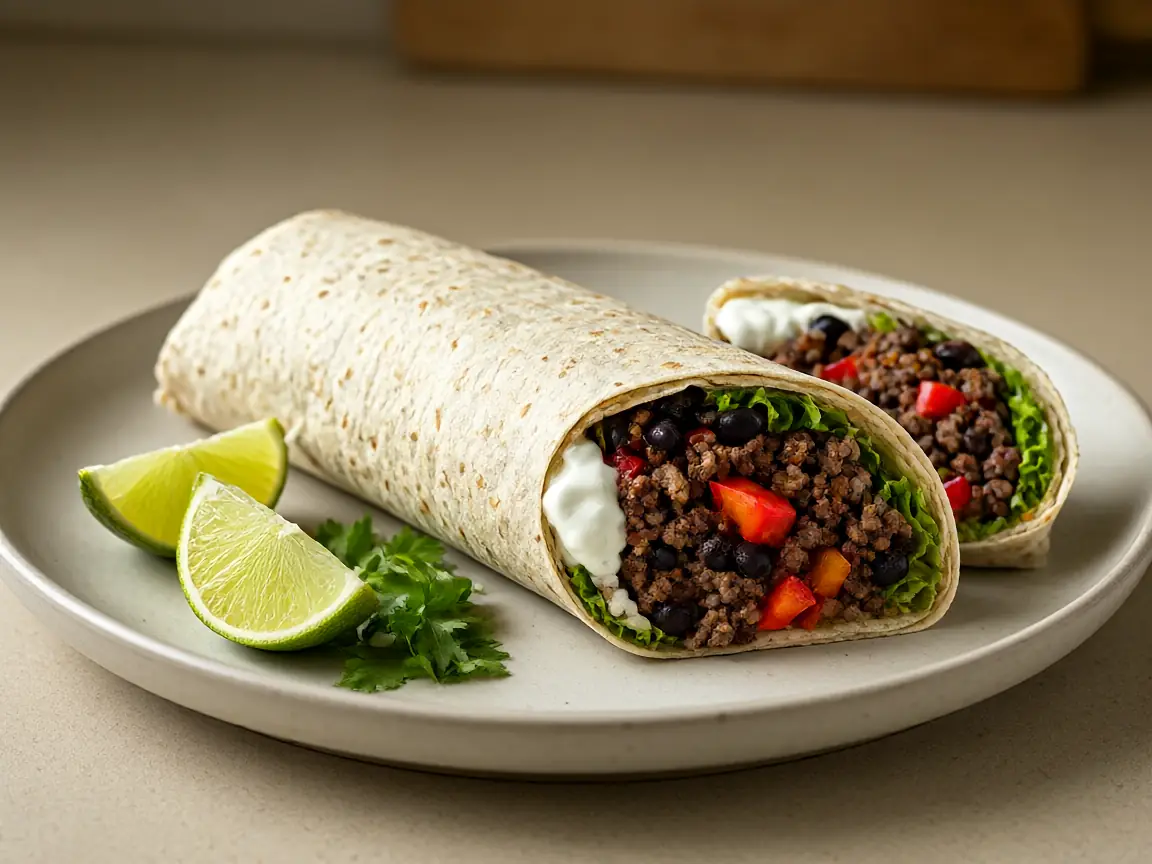
For another hearty meal format, see our high protein beef burrito and browse the high-protein recipe collection. The protein foods section explains ways to choose ingredients, while our meal-prep guides cover planning meals for later days.
Make-ahead, cooling, and storage
Stew often tastes even more integrated the next day because the broth and herbs have time to settle, but cooling and storage still matter. Divide a large hot pot into shallow containers so it cools more quickly, and refrigerate promptly. FoodSafety.gov advises refrigerating perishable food within two hours and keeping the refrigerator at or below 40°F (4°C). Its cold-storage chart lists soups and stews with meat or vegetables for three to four days in the refrigerator. Follow the official food-safety guidance and cold-storage chart for details.
Reheat only the portion you plan to serve. Warm it on the stovetop until steaming, stirring so the beef and beans heat evenly. If the stew has thickened in the refrigerator, add a splash of broth or water. For microwave reheating, use a covered microwave-safe container, stir partway through, and check that the center is hot. Do not repeatedly cool and reheat the entire pot.
To freeze, cool the stew, portion it into freezer-safe containers, and leave a little headspace for expansion. Label each container with the date. Thaw in the refrigerator and reheat thoroughly. Beans and vegetables may soften after freezing, and the broth may separate slightly; stirring while reheating usually brings it back together. Freeze without bread or fresh parsley, then add those at serving time.
Nutrition notes without false precision
Beef cut and trimming make a major difference to fat and energy, while the serving amount determines how much beef and beans reach each bowl. Broth, canned beans, and Worcestershire sauce can vary in sodium. A nutrition estimate requires exact package labels, measured ingredient amounts, and consistent portions. If precise protein or sodium information is important for a medical reason, consult a registered dietitian or clinician who can review your needs and the specific products you use.
The stew combines animal and plant protein sources, but the recipe does not guarantee a specific grams-per-serving figure. To estimate, weigh the raw beef and beans, use the nutrition panels or a reliable database, include the other ingredients, and divide the batch into equal portions. If the pot is served with bread, rice, or another side, include that separately. A bowl served at home may not match an online calculator entry because brands and portions differ.
Protein is one part of an overall eating pattern. This dish can be adapted with vegetables, beans, or a different serving size according to preference, but it is not a treatment for weight loss or a medical condition. People with dietary restrictions, kidney disease, food allergies, or sodium limits should adapt the recipe with professional guidance where needed.
Common stew problems
The beef is still tough
Continue simmering gently and check every 15 minutes. Some stew cuts need more time for connective tissue to soften. Do not raise the heat to a hard boil; a steady gentle simmer is more dependable. If liquid is low, add warm broth or water so the meat stays partially surrounded.
The broth is thin
Remove the lid and simmer briefly to reduce the liquid, or mash several beans into the broth. Avoid adding a large amount of flour directly to the pot, which can clump. If using a thickener, mix it with cool water first and stir it in gradually, but it is not necessary for this recipe.
The stew tastes flat
Check salt first, then add black pepper, a little tomato paste, or a small splash of vinegar. A bright acid near the end can lift a long-simmered broth. Add it gradually and taste after each addition. If the stew is already salty, use water or unsalted broth to adjust the concentration rather than adding more seasoning.
The vegetables are falling apart
Cut carrots and celery into thicker pieces and add delicate vegetables later. Keep the simmer gentle and stir carefully. Potatoes and mushrooms cook at different speeds, so add them in stages rather than putting everything into the pot at the beginning.
Slow cooker and pressure cooker options
For a slow cooker, brown the beef and sauté the aromatics first for better flavor, then transfer them with broth, herbs, and vegetables to the cooker. Follow the appliance's guidance for fill level and cooking settings. Add canned beans near the end so they warm without breaking down. Slow cookers vary, so judge doneness by tenderness and keep food at safe temperatures during serving.
For an electric pressure cooker, use the sauté function to brown in batches and soften the aromatics. Add broth and scrape the browned bits from the base before pressure cooking, since stuck residue may trigger a burn warning. Follow the appliance manual for pressure-cooking beef cubes and natural release. Add the beans after pressure cooking and simmer briefly using sauté mode. Exact times depend on cube size and equipment, so treat the appliance guide as the authority.
Whichever method you choose, do not fill the appliance beyond its marked limit. Ensure the beef becomes tender and the broth is hot throughout. Keep cold ingredients, such as parsley or a yogurt topping, separate until serving. The stovetop recipe gives the clearest control over browning and reduction, while appliances can make hands-off cooking easier.
Frequently asked questions
Can I make the stew without beans?
Yes. Omit them and add more vegetables or potatoes if you like. The finished stew will have a different protein and fiber profile, so recalculate nutrition if that matters to you.
Can I use canned beef broth?
Yes. Compare sodium levels and adjust added salt near the end. Low-sodium broth gives you more control, but regular broth works if you taste before seasoning.
How do I keep the beef tender?
Brown it in uncrowded batches, then braise at a gentle simmer until fork-tender. A tough cut generally needs more time, while a rapid boil can make the texture less pleasant.
Can I make it a day ahead?
Yes. Cool and refrigerate promptly in shallow containers. Reheat only the portion you need. Use safe storage times and temperatures rather than relying on smell alone.
How much protein is in a serving?
It depends on the beef cut, bean brand, and bowl size. Calculate from the labels or a reliable database using measured ingredients, then divide the pot evenly.
Recipe recap
Brown trimmed stew beef in batches. Soften onion, carrots, celery, and garlic, then stir in tomato paste and herbs. Return the beef to the pot with broth and simmer gently until tender. Add rinsed white beans near the end, adjust the broth and seasoning, and divide the stew into six portions. Cool and refrigerate leftovers promptly, and calculate nutrition from the ingredients you actually use. The result is a warming beef stew with a protein-forward base, vegetables, and beans in a rich but adjustable broth.