Low calorie high protein bars: a soft-baked recipe
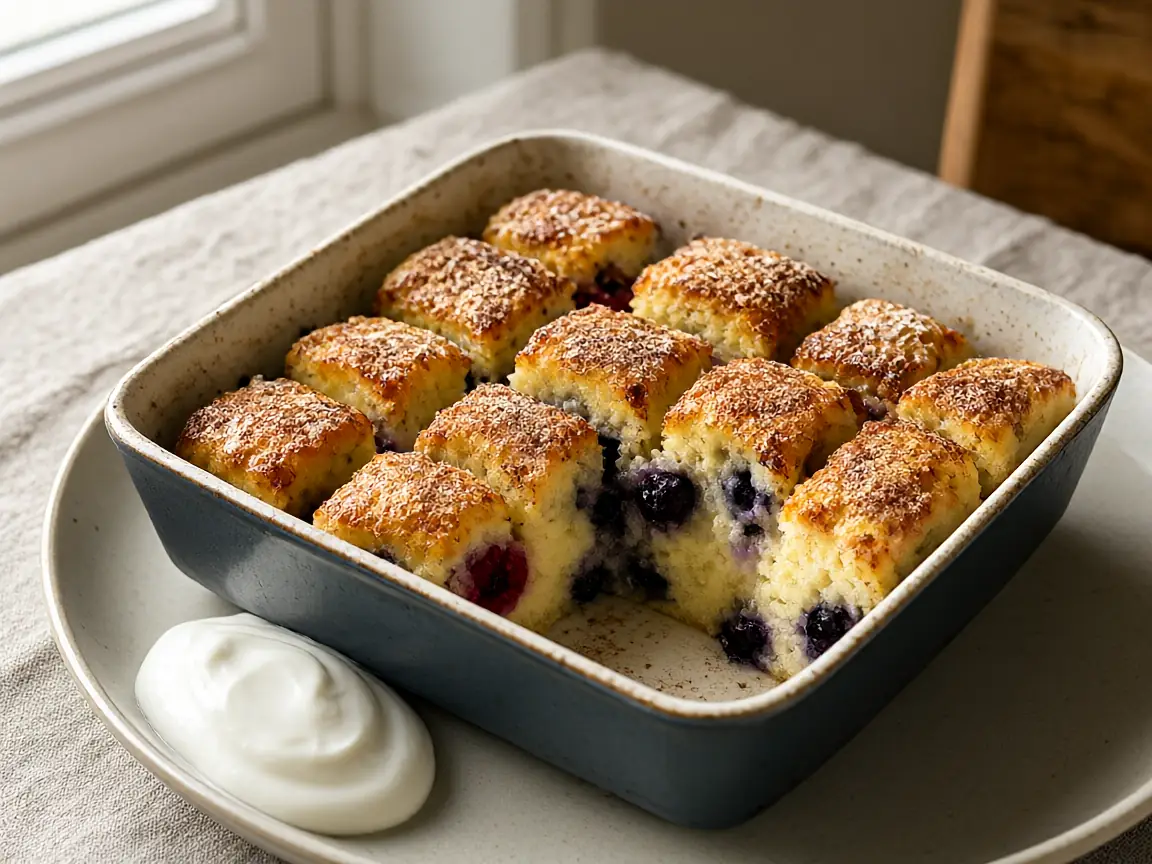
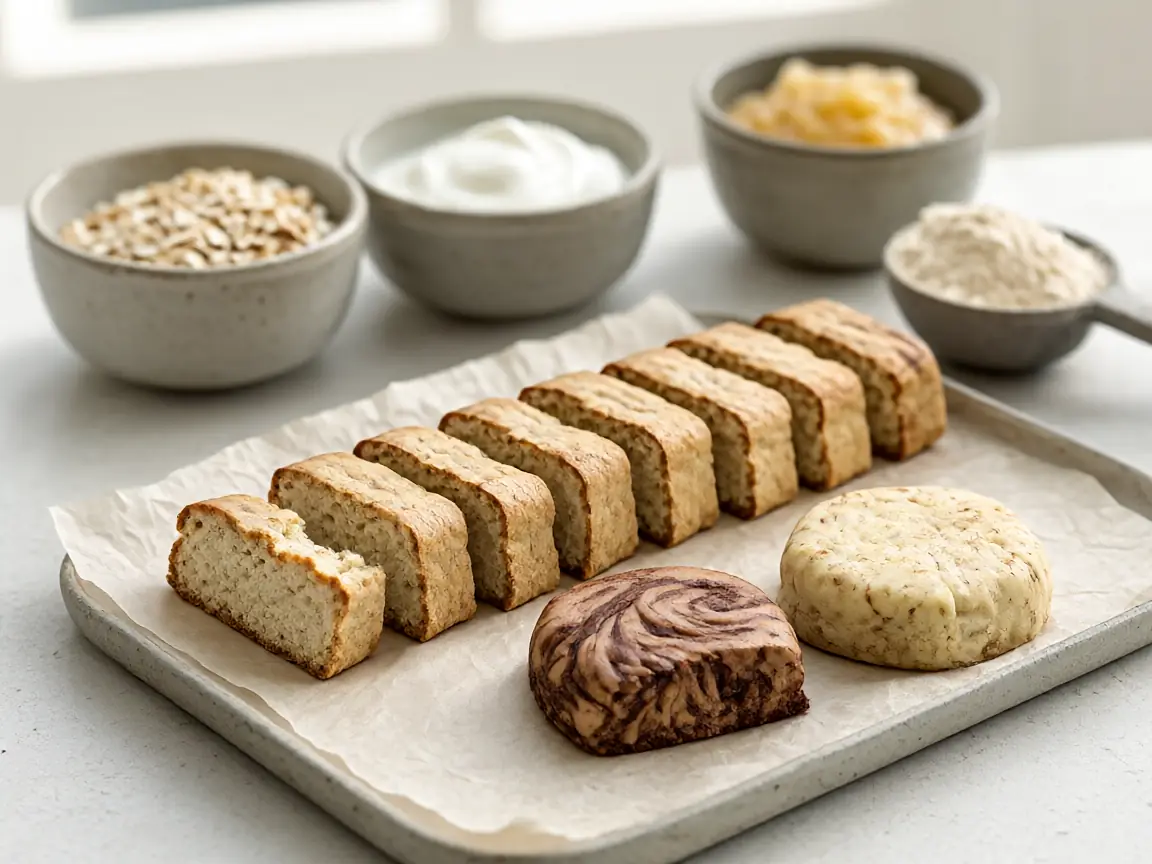
This recipe makes soft, compact bars from oats, protein powder, nonfat Greek yogurt, egg whites, and unsweetened applesauce. It is designed as a portion-conscious alternative to bars built around large amounts of nut butter, oil, or chocolate, but “low calorie” is not a fixed result: brands, bar size, and optional mix-ins change the nutrition. Use the quantities as a cooking starting point, portion the pan evenly, and calculate the final values from the labels on the ingredients you actually use. The bars are tender rather than candy-like, keep their shape after cooling, and can be flavored with cocoa or cinnamon.
Ingredients for six small bars
Prepare 1/2 cup quick oats, 2 scoops vanilla protein powder (weigh the powder and check its label, since scoop sizes differ), 1 cup plain nonfat Greek yogurt, 1/3 cup pasteurized liquid egg whites, 1/2 cup unsweetened applesauce, 1 teaspoon baking powder, 1/2 teaspoon vanilla extract, 1/2 teaspoon cinnamon, and a small pinch of salt. Optional additions include 1 tablespoon mini chocolate chips or 1 tablespoon chopped dried fruit. Use only one small add-in at first so you can see how it affects the texture.
Equipment: one mixing bowl, a whisk or sturdy spoon, parchment paper, and a small loaf pan or square baking dish. A kitchen scale is useful for weighing the protein powder and dividing the cooled slab into equal portions. If you use a protein powder that is unusually sweet, taste the batter before adding any extra sweetener. The recipe does not require syrup; the applesauce and vanilla powder usually provide enough flavor for a lightly sweet bar, though your own powder may taste different.
Mix and bake the bars
Heat the oven to 350°F (175°C). Line the pan with parchment so there is enough overhang to lift the bars out after baking. In a bowl, stir the oats, protein powder, baking powder, cinnamon, and salt until evenly combined. In another bowl, whisk the yogurt, egg whites, applesauce, and vanilla until smooth. Pour the wet mixture into the dry ingredients and fold just until no pockets of dry powder remain. Avoid vigorous long mixing; the goal is even hydration, not a whipped batter.
Let the mixture stand for two minutes. Protein powders absorb liquid at different rates, so this pause helps reveal the final consistency. The batter should be thick enough to mound softly on a spoon but still spreadable. If it is stiff and crumbly, fold in plain yogurt one teaspoon at a time. If it runs like a drink, add a teaspoon of oats or protein powder, wait another minute, and check again. Make small changes so the bars do not become dry or rubbery.
Spread the batter into the lined pan and smooth the top. Bake until the center is set and the edges are lightly golden, usually about 16 to 22 minutes depending on the pan and oven. Because the mixture contains egg whites, do not judge safety by browning alone. The center should be fully cooked; a food thermometer is useful, and FoodSafety.gov lists 160°F (71°C) for egg dishes. Avoid overbaking, which can make protein powder-based bars firm and dry.
Set the pan on a rack and let it cool completely before cutting. Warm bars are fragile and may seem under-set even when they will firm as they cool. Lift the slab using the parchment, then cut into six even bars with a sharp knife. If the middle still feels soft, chill the cooled slab for 30 minutes before slicing. Equal portions make nutrition estimates more meaningful than cutting a few large pieces and several small ones.
How to keep a lighter bar tender
Protein powder can make baked goods dry if the batter has too little moisture or spends too long in the oven. Greek yogurt and applesauce provide moisture, while egg whites help the batter set. The balance is more important than adding extra powder. Measure the dry ingredients consistently, wait briefly after mixing, and use the visual cue of a thick but spreadable batter. If you change the powder brand, expect to adjust the yogurt by a small amount.
Pan dimensions change the bake. A narrow loaf pan creates a thicker slab and may need more time; a broad pan creates thinner bars that set sooner. Start checking near the lower end of the suggested time and add a few minutes only if the center remains wet. Ovens vary, so use doneness cues and a thermometer rather than relying on the timer alone. Letting the slab cool in the pan also reduces breakage when it is lifted.
For a less chewy, more cake-like bar, use quick oats and do not overmix. For a slightly more substantial bite, pulse the oats briefly into a coarse flour before stirring them with the powder. Avoid grinding them into an extremely fine powder unless you are prepared to add more moisture; a very fine dry mix can thicken quickly. The goal is a bar that is easy to chew, not a dense protein brownie.
Recipe snapshot
- Yield: 6 small bars
- Preparation: about 10 minutes
- Baking: approximately 16 to 22 minutes
- Cooling: until fully cool; chill briefly for cleaner cuts if needed
- Texture: soft-baked, lightly sweet, and sliceable
These are practical kitchen estimates, not laboratory measurements. The final nutrition depends on the precise yogurt, powder, egg whites, applesauce, and optional additions. A bar cut from a larger pan may be substantially bigger than one of the six portions described here.
Flavor variations
Cocoa protein bars
Whisk 1 tablespoon unsweetened cocoa into the dry ingredients. Cocoa absorbs moisture, so add a teaspoon of yogurt if the batter becomes too stiff after resting. Chocolate protein powder can replace vanilla, but check its sweetness before adding any additional sweetener. A tablespoon of mini chocolate chips is optional; it adds texture but also changes the recipe's energy and sugar content.
Cinnamon apple bars
Increase the cinnamon slightly and add 1 tablespoon finely diced dried apple or a small spoonful of unsweetened applesauce on top before baking. Do not add a large amount of wet fruit, which can prevent the center from setting. Dried apple pieces vary in size, so chop them finely and distribute them evenly. This variation is intentionally mild; a little vanilla or nutmeg can be added without changing the basic method.
Berry yogurt bars
Fold in 1 tablespoon of finely chopped dried berries or a small handful of freeze-dried berry pieces. Avoid adding juicy fresh berries to the batter unless you are willing to adjust the bake and accept a softer, wetter center. If you do use fresh fruit, chop it small, blot excess moisture, and test the center carefully. Fruit type and ripeness change both texture and sweetness.
Adjust sweetness without losing structure
Start with the protein powder you have and taste a tiny amount of batter before adding more sweetener. Many flavored powders already contain sweeteners. If the baked result tastes too plain, add a small amount of a preferred sweetener next time, but remember that liquid sweeteners can loosen batter while granulated or powdered products may not add moisture. Change one ingredient at a time so you can tell what improved the flavor.
Unsweetened applesauce contributes mild fruit flavor and moisture, not the same binding effect as a large amount of syrup or nut butter. Removing it entirely may make the center drier. If you use sweetened applesauce, the final sweetness and nutrition will differ from the written version. Check the label and make a note of the substitution when estimating the batch.
For a less sweet breakfast bar, use an unflavored or lightly flavored protein powder and skip the chips. For a dessert-like snack, choose a flavor that complements cinnamon or cocoa. Avoid adding a large handful of chocolate, nuts, or dried fruit while still assuming the original calorie estimate applies. Those ingredients can be delicious, but they are not nutritionally invisible.
Estimating calories and protein responsibly
The phrase “low calorie” is relative to portion size and the ingredients being compared. This formula limits added oils and nut butter, but it does not guarantee a particular calorie value or make every bar suitable for every person. Protein powders differ widely in serving size and nutrition, Greek yogurt labels vary, and egg whites, oats, and optional toppings all contribute to the total. Do not infer a precise number from the recipe title.
For a useful estimate, weigh the protein powder rather than relying on a scoop, record each ingredient quantity, and enter the exact product label values into a recipe calculator or food database. Add the whole batch totals and divide by six only after cutting equal bars. If a specific nutrient limit matters for a health condition, ask a qualified dietitian or clinician to review the calculation. This general recipe cannot account for medications, allergies, kidney disease, diabetes, pregnancy, or other individual needs.
“High protein” also depends on how a serving is defined and on the ingredients selected. The powder is the largest contributor, but the label claim on the container does not transfer automatically to each homemade portion. A smaller bar contains less of every ingredient than a larger one. If you need a minimum amount, use weighed portions and verify the ingredient data instead of relying on an adjective.
For comparison, our 20-gram protein bar recipe and 30-gram protein bar recipe use their own ingredient quantities and assumptions. See the high-protein recipe collection for other formats, and use each recipe's own serving method rather than treating different bar recipes as interchangeable.
Ingredient substitutions
If you need a dairy-free version, Greek yogurt can be replaced with a thick, unsweetened soy yogurt, but the protein amount and baking behavior may change. Choose a product whose label suits your needs and expect to adjust moisture. Coconut or almond yogurt may contain much less protein and can be looser or fattier. The recipe has not been formulated to be allergen-free; always read labels for the powder and any shared-equipment warnings.
For a gluten-free preparation, use oats labeled gluten-free and verify that the protein powder and baking powder are appropriate. Oats are naturally gluten-free but can be cross-contacted during production. For a different grain texture, use finely ground oats in place of quick oats by weight. Do not substitute an equal volume of coconut flour or another highly absorbent flour; it can soak up moisture and make the bars crumbly.
Liquid egg whites help the batter set. They are not a direct swap for whole eggs in exactly the same volume, because yolks contain fat and change tenderness. If replacing egg whites for allergy or dietary reasons, use a recipe specifically designed for an egg substitute and follow the product's instructions. Never taste raw batter containing uncooked egg whites.
Protein powder substitutions are especially variable. Whey isolate, casein, soy, pea, and blended powders can produce very different textures. If a powder makes the mixture chalky, reduce its amount rather than adding more liquid indefinitely. If it tastes bitter, choose a different flavor or balance it with vanilla and cinnamon. Keep a written note of the brand and amount that worked so the next batch is repeatable.
Common baking problems
The middle is wet
The pan may be too deep, the oven may run cool, or the batter may have too much moisture. Return it to the oven for a few minutes and check again, particularly in the center. A thermometer helps determine whether an egg-based mixture is cooked through. Next time, use a wider pan or reduce the yogurt only slightly. Do not solve a wet center by baking until the edges become hard.
The bars turn rubbery
Overbaking and excessive protein powder are common causes. Start checking early and remove the pan once the center is set. Measure the powder by weight and avoid adding extra scoops to increase protein without rebalancing the wet ingredients. The cooled texture should be soft and sliceable, not elastic.
The bars are crumbly
Crumbly bars may have been cut warm, baked too long, or made with a powder that absorbs more liquid than expected. Cool completely, chill before cutting, and use parchment to lift the slab. For the next batch, add a spoonful of yogurt or applesauce, then check the batter after resting. A small adjustment is safer than pouring in extra liquid at once.
The bars taste bland
Protein powder flavor varies. Increase vanilla, cinnamon, or cocoa modestly, or add a small measured amount of sweetener. A pinch of salt can make flavors clearer, but too much makes the bars taste savory. Taste the powder itself before choosing a variation; a strongly flavored product may not pair well with fruit or cocoa.
Cooling, storing, and packing
Cool the bars promptly and refrigerate them in a covered container because the recipe includes yogurt and egg whites. FoodSafety.gov recommends keeping a refrigerator at 40°F (4°C) or below, refrigerating perishable foods within two hours, and limiting time at room temperature; see its food-safety guidance for details. The bars are not shelf-stable, so do not store them in a pantry like a sealed commercial product. Use clean utensils and discard any portion that has been left unrefrigerated too long or appears spoiled.
Store the bars separated by parchment to keep them from sticking. For a packed snack, place a chilled bar in an insulated bag with a cold source when it will be away from refrigeration. At warm temperatures, the bars may soften even if they remain safe for a short period; safety depends on time and temperature, not just texture. Follow local food-safety advice and the storage directions on all packaged ingredients.
Freezing can preserve portions for later, though thawed bars may be slightly softer. Wrap individual pieces and place them in a freezer-safe container. Thaw in the refrigerator rather than on a warm counter, then eat promptly. If you want to prepare a week of snacks, freeze the later portions and move them to the refrigerator as needed instead of keeping the entire batch at room temperature.
Making portions useful for meal prep
Cut the slab into equal bars, wrap or containerize them individually, and label the preparation date. Store a few in the refrigerator and freeze the rest if you are not going to eat them soon. Keep the bars in their own compartment so they do not absorb odors from strongly flavored foods. If packing with fruit or yogurt, use a leak-proof container and keep everything cold.
A bar can be a convenient snack, but it does not have to replace a meal. Appetite, schedule, and personal needs differ. Pairing it with fruit, yogurt, or another food is a serving choice, not a requirement. For broader planning ideas, browse our meal-prep guides and see the site's nutrition and food-information disclaimer for the limits of general educational content.
Frequently asked questions
Can I make this recipe without baking?
This particular formula uses egg whites and is intended to be baked. Do not eat it as raw batter. For a no-bake bar, use a recipe made without raw egg and designed to bind without oven heat; the ingredients and storage rules will differ.
Can I use regular rolled oats?
Yes. The bars may have a more noticeable oat texture. If you want a finer crumb, pulse the oats briefly before mixing. Avoid turning them into an extremely fine powder unless you adjust the moisture carefully.
How do I know the center is done?
The center should be set rather than liquid, and a thermometer can help verify an egg-based bake. FoodSafety.gov lists 160°F (71°C) for egg dishes. Pan depth and oven behavior change timing, so use a thermometer and visual cues together.
Can I use sweetened Greek yogurt?
You can, but it will make the bars sweeter and change the nutrition. Reduce or omit added sweetener and check the label. A thinner yogurt may also make the batter looser.
How many calories are in each bar?
There is no single reliable value without the exact powder, yogurt, egg whites, applesauce, and portion weights. Calculate the batch from product labels, weigh the finished slab, and divide into equal bars for the most useful estimate.
Final recipe recap
Combine oats, protein powder, baking powder, cinnamon, and salt. Whisk Greek yogurt, pasteurized egg whites, applesauce, and vanilla; fold the wet ingredients into the dry mixture and let it rest briefly. Adjust the batter gradually, spread it in a parchment-lined pan, and bake at 350°F (175°C) until set. Cool fully, cut into six equal portions, and refrigerate. Keep ingredient changes measured, verify nutrition from the actual labels, and treat “low calorie” as a result of portion and recipe choices rather than a guarantee.