High-Protein Meal Prep: A Practical Sunday-to-Weekday System
Primary keyword: high-protein meal prep. This guide explains how to use the format in a practical, flexible routine.
Quick answer
Use a clear protein anchor, assign each ingredient a role, portion the finished food, and plan storage before cooking. Adjust the serving to appetite and schedule. Nutrition information is an estimate, and no single recipe or packaged product guarantees a specific health or weight outcome.
What this format is designed to do
The useful question is not whether the phrase high-protein meal prep sounds impressive, but whether the format solves a real eating problem. Meal prep succeeds when it reduces decisions without removing choice: prepare building blocks, then assemble different meals from the same safe and flavorful base. A practical article therefore has to cover ingredients, portions, preparation, storage, substitutions, and the limits of nutrition claims. This guide is written for ordinary kitchens and changing schedules. It does not promise a specific amount of weight change, muscle gain, fullness, or performance. Instead, it gives you a repeatable way to make one meal or product decision at a time.
Start by naming the job of the meal. The format is designed to solve a specific problem: a repeatable prep system that turns a short cooking session into several flexible meals without making every container identical. That job might be a quick breakfast, a packed lunch, a dependable dinner, or a product that can bridge two busy meetings. Once the job is clear, every component should support it. Protein supplies the main structure, while produce, legumes, grains, seeds, sauces, or toppings provide flavor, texture, volume, and flexibility. If a component does not improve one of those functions, it may be unnecessary.
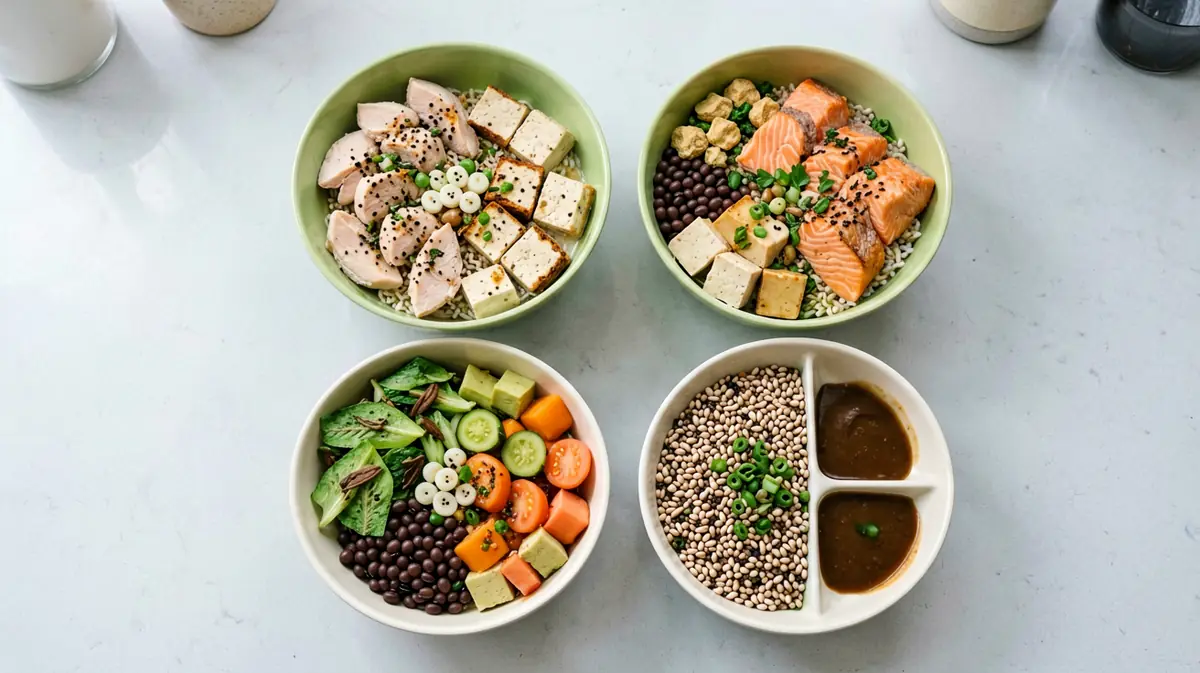
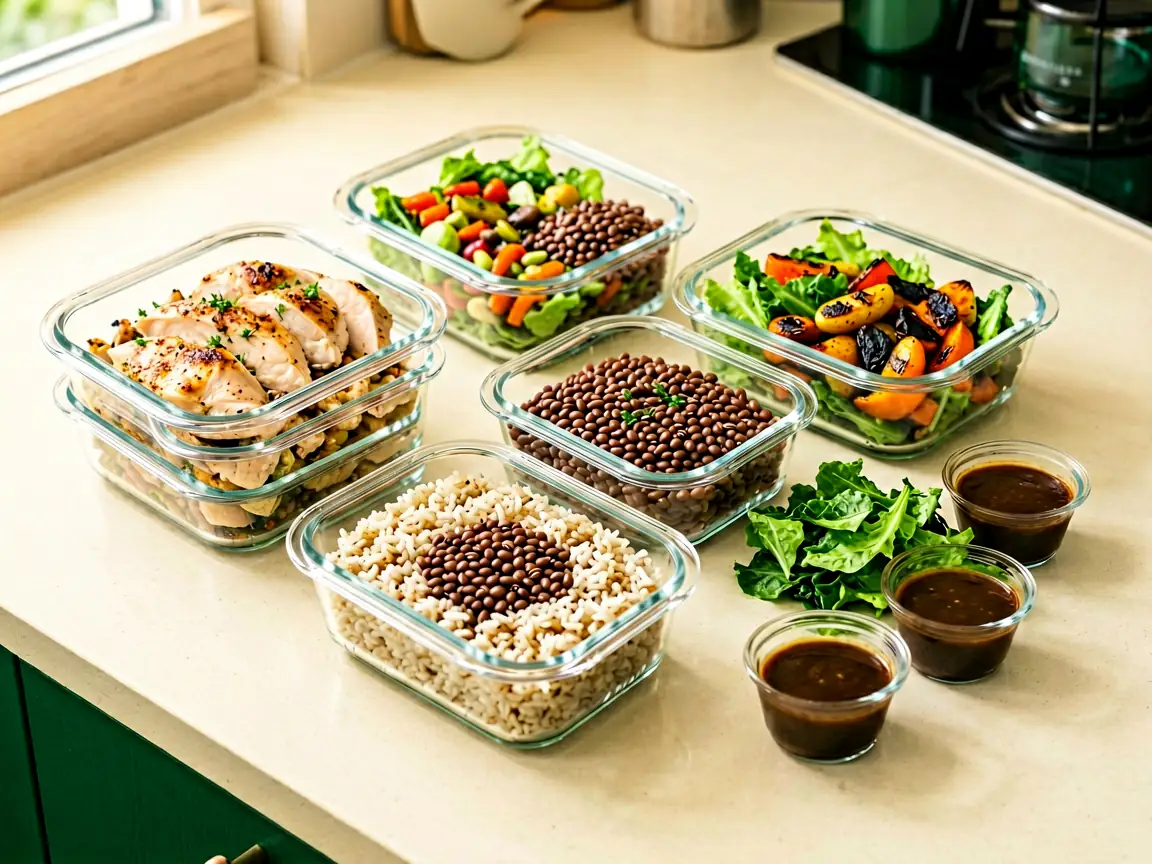
The core ingredients are two protein options, one grain or potato base, lentils or beans, roasted vegetables, sturdy greens, fresh herbs, and two sauces. Read the list as a set of roles rather than a rigid shopping order. A protein source has a different job from a sauce, a vegetable, or a crunchy topping. When you substitute, replace the role as well as the ingredient. For example, a wet ingredient may require less added liquid, a salty product may change the seasoning, and a dense protein powder may need more hydration. This role-based view keeps the meal useful when a preferred brand, ingredient, or appliance is unavailable.
A protein target is a planning tool, not a guarantee. Add the protein listed on the labels, divide by the actual number of servings, and remember that cooked weight and raw weight are not interchangeable. A larger portion may be appropriate for one person and uncomfortable for another. Protein quality, appetite, total energy, fiber, sodium, fat, cost, and enjoyment can matter at the same time. If you need a medically precise target, ask a qualified clinician or dietitian who can account for your history, medications, allergies, and goals.
Ingredients, labels, and preparation
Use the following preparation sequence: plan the meals, start the slowest component, prepare the protein and vegetables in parallel, cool food safely, and assemble containers by role. The order matters because temperature and moisture affect the finished result. Begin with the component that needs the most time, then prepare ingredients that can be assembled without rushing. Measure ingredients that are easy to over-pour, especially oils, dressings, sweeteners, nut butters, and dense powders. If a mixture seems too loose or too dry, make a small adjustment and wait before changing it again. Small, recorded changes are easier to evaluate than a complete restart.
Equipment does not need to be specialized. A bowl, sharp knife, sheet pan, skillet, measuring spoons, and clean storage containers can handle most versions. A kitchen scale is useful when even portions matter, but visual portioning can be perfectly practical for many households. Use shallow containers for hot food so it cools more quickly. Use a lined pan when a chilled mixture must be removed cleanly. The best tool is the one that reduces friction and makes the next preparation session easier to begin.
Texture often determines whether a high-protein meal prep format becomes a repeat choice. Keep wet and crisp components apart when storage would soften them. Cook vegetables until they still have a clear texture instead of reducing every component to the same softness. Add a sauce, acid, herb, toasted seed, or crunchy topping at serving when possible. For a baked item, allow enough cooling time before judging the crumb. For a packaged product, taste it at a normal serving temperature rather than directly from a hot car or a freezer.
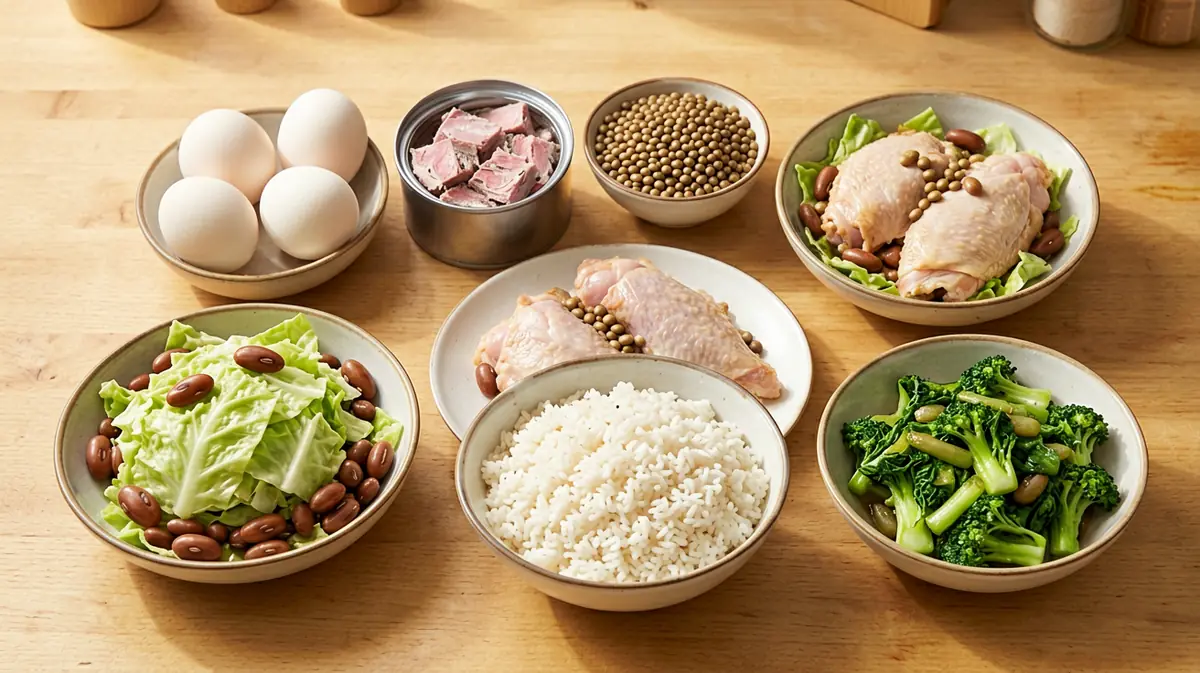
Substitutions can be practical when they protect the purpose of the recipe or comparison. You can use eggs, tofu, canned fish, chicken thighs, beans, or lentils according to budget and preference, and change sauces before changing the whole meal plan. Make one major substitution at a time when troubleshooting. Protein powders, dairy products, canned foods, wraps, grains, and frozen vegetables differ in moisture, salt, sweetness, and cooking behavior. Write down the change and the result. This turns the second attempt into a useful test instead of another guess. A suitable substitution is one that fits the person eating the food, not merely one that looks similar on paper.
Make the plan easier to repeat
Budget and access belong in the method. Compare the cost per usable serving rather than the package price, and use ingredients in more than one meal when repetition will not become tiring. Eggs, yogurt, beans, lentils, oats, frozen vegetables, potatoes, rice, canned fish, and store-brand staples can support a protein-centered routine without requiring many specialty products. If an expensive ingredient is included, it should earn its place through flavor, convenience, a dietary need, or a clear improvement in the finished food.
Fiber and volume should be adjusted to the person rather than treated as a contest. Vegetables, fruit, legumes, oats, seeds, and whole grains can all contribute, but people differ in tolerance and preference. A sudden increase may create discomfort, especially when fluid intake and meal timing also change. Cooked vegetables may work better than a large raw salad. A smaller serving of beans may be more practical than an enormous bowl. The useful test is whether the meal is comfortable, enjoyable, and repeatable.
Flavor deserves deliberate planning. For savory food, build contrast with herbs, spices, citrus, vinegar, garlic, pepper, a salty ingredient, or a creamy sauce. For a sweet bar or muffin, use cocoa, cinnamon, vanilla, citrus zest, fruit, or a measured sweetener. Taste after the protein source and other concentrated ingredients are mixed in, because they can mute or amplify seasoning. Do not rely on extra sweetener or dressing to rescue every batch. A good meal should taste like food someone chose, not like a nutrition target disguised by marketing.
Portion the finished food before hunger makes the decision. Choose the number of servings, divide evenly, and keep optional additions separate if they change the energy or texture substantially. If a person expects a longer day or a harder training session, a planned side may be more useful than quietly enlarging every container. Portioning is information, not a moral rule. It helps compare batches and identify what actually fits an appetite, a schedule, and the rest of the day.
Portioning, storage, and busy-day use
Storage is part of the recipe. Divide hot food into shallow containers, label dates, refrigerate what will be eaten soon, freeze suitable portions, and keep wet ingredients apart. Cool cooked food promptly, use clean containers, and mark the date on anything held for several days. Do not seal deep containers while food is still very hot. Keep wet and dry components separate when that preserves quality. Follow local food-safety guidance and the package instructions for products. Appearance and smell are not perfect safety tests, so discard food that has been held improperly or that you are not confident is safe.
Reheating should restore the intended texture rather than simply create a hot exterior. Use short intervals, stir or turn when appropriate, and add a small amount of water or sauce only when needed. A muffin may need gentle heat, while a bowl may benefit from heating the protein and base separately from the greens. A chilled bar may need a few minutes at room temperature. Use consistent conditions when comparing two versions; an overheated or crushed sample can make a good option seem worse than it is.
A busy-day fallback protects the routine. Keep a simplified version available, such as a yogurt bowl, eggs with toast, a bean-and-rice container, a packaged protein with fruit, or leftovers assembled with a fresh vegetable. The fallback is not a failure version. It is the smaller version that keeps the central behavior alive when time, energy, equipment, or appetite changes. Write it down in one sentence and keep its ingredients visible. A durable food system includes ordinary imperfect days instead of depending on perfect preparation.
Practical limits and review
Review the result with concrete questions. Was the serving satisfying? Did the texture hold after storage? Did the preparation time feel acceptable? Did the seasoning need more contrast? Were the ingredients available at the expected price? Did the food fit the person’s tolerance and preferences? If the meal was technically successful but nobody wanted it again, that is important data. Change one variable at the next attempt and keep the rest familiar so the adjustment remains understandable.
Avoid turning a single food into a complete health strategy. A planning estimate rather than one fixed target because serving sizes, cooking oil, sauces, and household needs vary. A high-protein or low-sugar label does not erase the importance of total meals, activity, sleep, stress, budget, culture, medical context, and enjoyment. Weight can change for many reasons, and a single recipe cannot predict an individual outcome. If a dietary change causes persistent fatigue, worsening symptoms, compulsive tracking, or distress around eating, pause and seek qualified support.
For a practical weekly application, choose one day to shop, one short window to prepare, and one fallback for the days that do not go to plan. Keep the main protein visible, store components in usable portions, and make the next action obvious. Do not change food, exercise, supplements, sleep, and tracking all at once. A calm review of one variable gives better information than a dramatic reset. The goal is a routine that can survive travel, deadlines, changing appetite, and a less-than-perfect kitchen.
Frequently asked questions
Can I change the main protein?
Yes. Use eggs, tofu, canned fish, chicken thighs, beans, or lentils according to budget and preference, and change sauces before changing the whole meal plan Recheck moisture, seasoning, cooking time, and the final serving count after the change. If the ingredient has a different allergen profile or nutrition label, treat it as a new version rather than assuming the numbers are identical.
How should I adjust the portion?
Start with the planned serving count, then consider hunger, the rest of the meal, activity, and the length of the day. A measured portion gives you a reference point; it is not a medical instruction. Add a planned side when that is more useful than changing the entire batch.
Can I prepare it ahead?
Usually, when the storage plan is followed: divide hot food into shallow containers, label dates, refrigerate what will be eaten soon, freeze suitable portions, and keep wet ingredients apart. Keep components separate when moisture changes texture, label the date, and reheat until the center is appropriately hot when reheating is required.
Is the nutrition information exact?
No. A planning estimate rather than one fixed target because serving sizes, cooking oil, sauces, and household needs vary. Use the exact labels and weights for the ingredients you actually use when precision matters, and seek professional guidance for medical nutrition needs.
What if the texture is not right?
Change one variable at a time. Adjust moisture gradually, change the storage container, shorten the storage window, or add a crisp, acidic, or creamy component at serving. Record the adjustment so the next batch provides useful information.
Does this food guarantee weight loss?
No. Weight change is affected by many factors, including total intake, activity, sleep, stress, medications, health conditions, and time. Use the article as a food-planning framework, not as a promise or a substitute for individualized care.
Continue with related guides
High-protein bowls for meal prep · Affordable high protein meals · Protein foods · Editorial policy · Disclaimer
Editorial note: This article is general food and nutrition education, not individualized medical, dietetic, or weight-management advice. Product labels, ingredients, household needs, and safe storage guidance can change. Seek qualified professional support for medical conditions, allergies, pregnancy, medication questions, injury, or eating-related distress.