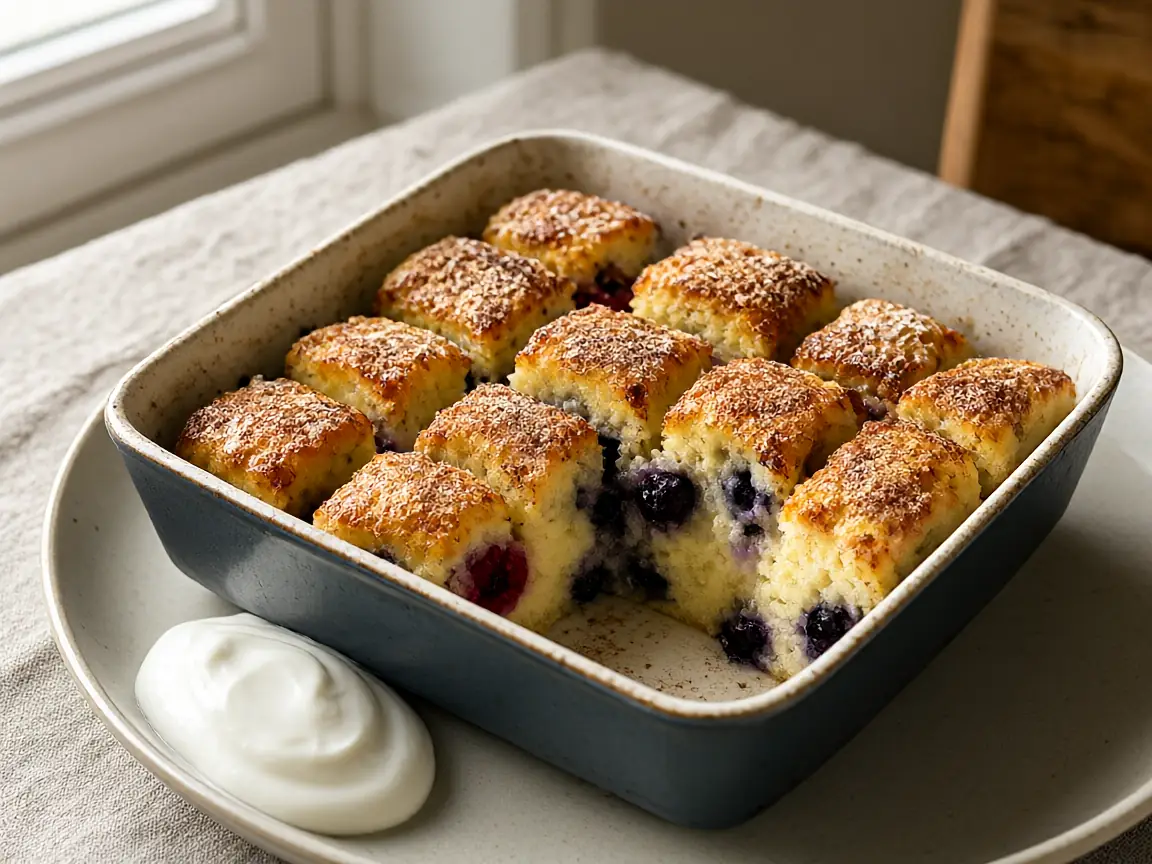
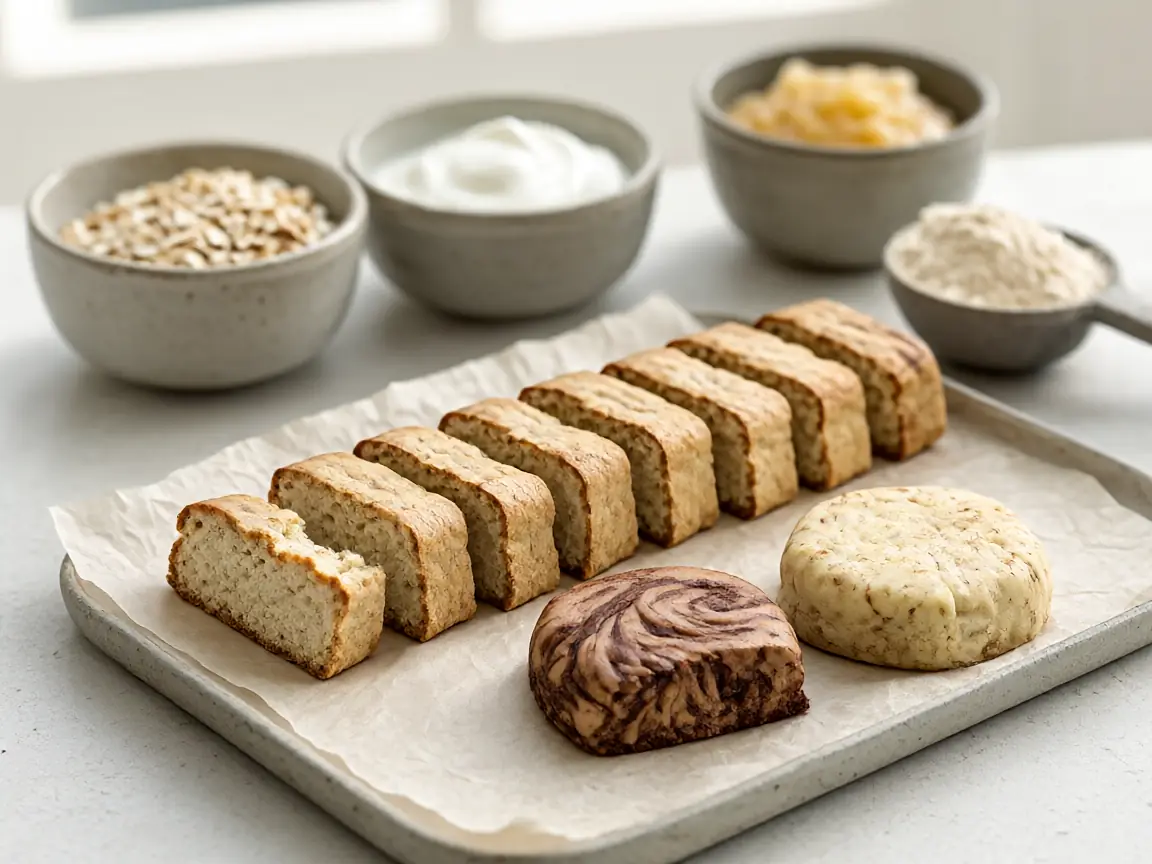
Primary keyword: banana bread recipe high protein. This practical loaf uses ripe bananas for moisture and flavor, while Greek yogurt, eggs, oats, and a measured protein ingredient help create a tender slice that can be portioned for breakfast or snacks.
Quick answer
A reliable banana bread recipe high protein starts with ripe bananas, eggs, a thick dairy or soy ingredient, oat flour or whole-grain flour, and a measured amount of protein powder or another protein-rich food. The key is balance: too much protein powder can make the loaf dry or rubbery, while too much banana can leave the center wet. Mix the batter gently, let the dry ingredients hydrate briefly, bake until the center is set, and cool the loaf before slicing.
Protein banana bread is still bread and snack food, not a guarantee of a particular health or weight outcome. Banana, flour, yogurt, eggs, nuts, oil, and protein powder all contribute to the final nutrition. Use the exact brands and weights when the numbers matter. For more formats, explore the high-protein recipes collection.
What makes banana bread higher in protein?
Traditional banana bread often relies on flour, bananas, sugar, eggs, butter, and oil. A higher-protein version changes the balance by using ingredients that contribute protein without asking the loaf to become a dry protein brick. Greek yogurt adds moisture and protein. Eggs help the crumb set. Oat flour contributes some protein and a gentle flavor. Protein powder can increase the amount further, but it is concentrated and absorbs liquid differently from flour.
The best loaf still has a clear banana-bread identity: a tender crumb, a warm banana aroma, and enough structure to slice. If the protein ingredient dominates the taste, the recipe may be technically high in protein but not useful in a repeatable food routine. Choose a powder that tastes acceptable on its own, or use a smaller amount and let yogurt, eggs, nuts, or seeds contribute to the rest.
There is no universal protein target for a loaf or serving. A suitable portion depends on the rest of the meal, appetite, activity, health history, and personal goals. People with kidney disease, food allergies, pregnancy-related nutrition needs, diabetes, digestive conditions, or a prescribed diet should consult a qualified professional before making major dietary changes.
A tender high-protein banana bread formula
This formula makes one standard loaf. The exact yield depends on the pan size and how thick you cut the slices.
- 3 very ripe medium bananas, mashed.
- 2 large eggs, or an appropriate substitute.
- 3/4 cup plain Greek yogurt or a suitable plain soy yogurt.
- 1 1/2 cups oat flour or finely blended rolled oats.
- 1/2 cup protein powder, using a powder that works well in baked food.
- 1 teaspoon baking powder, 1/2 teaspoon baking soda, cinnamon, and a pinch of salt.
- 1 teaspoon vanilla extract.
- Optional: 1/3 cup chopped walnuts, pumpkin seeds, or dark chocolate pieces in a measured amount.
Line a loaf pan with parchment and heat the oven according to your equipment and the recipe method. Mash the bananas until mostly smooth but leave a few small pieces if you like visible fruit. Whisk in the eggs, yogurt, and vanilla. In a separate bowl, stir the oat flour, protein powder, baking powder, baking soda, cinnamon, and salt. Add the dry ingredients to the wet ingredients and fold until no large pockets remain.
Let the batter rest for five minutes. Oat flour and protein powder absorb moisture after mixing, so this short pause can reveal whether the batter is too thick. If it is stiff like cookie dough, fold in one tablespoon of yogurt or milk at a time. If it is very loose, add a small amount of oat flour and wait again. Fold in nuts or seeds at the end, then transfer the batter to the pan and smooth the top.
Bake until the top is set and a skewer inserted near the center comes out with moist crumbs rather than wet batter. The time changes with banana size, pan material, oven calibration, and protein powder. Cool the loaf in the pan briefly, then transfer it to a rack. Do not slice it while it is steaming hot; the crumb continues to set as it cools.
How to choose bananas
Ripe bananas are the easiest choice because they mash smoothly and provide natural sweetness. Very dark bananas may contain more moisture and create a softer loaf. If your bananas are small, you may need an extra half banana; if they are unusually large, hold some back and decide whether the batter already has enough moisture. Measuring mashed banana helps you reproduce a successful loaf.
If the bananas are only lightly ripe, the loaf may be less sweet and less soft. You can add cinnamon, vanilla, cocoa, or a measured sweetener, but the texture still may differ. Do not compensate by adding a large amount of liquid. The banana also contributes structure, and a less-ripe fruit may need a slightly different bake.
Frozen bananas can be used after thawing. Drain any large amount of liquid before measuring the mashed fruit. The thawed texture may be wetter than fresh banana, so adjust the yogurt or flour gradually. Keep a note of whether you used fresh or frozen fruit because it can explain differences between batches.
Protein powder and flour choices
Whey protein can create a soft crumb but may become firm or dry when overbaked. Plant-based protein powders may need more moisture and can create a grainier texture. Blended powders fall somewhere between those results. Read the label for serving size, protein amount, sweeteners, allergens, and flavor. The number of grams listed on a package does not predict how the powder will behave in a loaf.
Oat flour produces a tender, slightly hearty bread. Whole-wheat flour adds a more pronounced grain flavor and may need a little extra moisture. A mixture of oat flour and all-purpose flour can create a lighter crumb, while a fully oat-based loaf may be denser. Gluten-free requirements need appropriately labeled ingredients and attention to cross-contact.
Do not simply replace every gram of flour with protein powder. Flour supplies starch that helps the loaf hold structure. Protein powder absorbs liquid and can become tough with excess heat. Start with a moderate amount, bake a small test if you are changing brands, and adjust one variable at a time.
Texture controls that matter
The first control is mixing. Fold the dry ingredients into the wet mixture only until combined. Vigorous mixing can make the loaf dense, especially when the flour contains gluten. The second control is hydration. Yogurt, milk, banana, and eggs all contribute moisture, but their amounts vary. The third control is pan size. A narrow, deep loaf takes longer to set in the center than a wider, shallower loaf.
If the loaf is dry, check whether it was overbaked, whether the powder was unusually absorbent, or whether the banana amount was small. Add more yogurt or reduce the protein powder next time. If the loaf is gummy, check whether the center was underbaked, whether the bananas were very wet, or whether the loaf was sliced too soon. Allow it to cool fully before deciding what to change.
A loaf that sinks may have too much liquid, too much leavener, or an under-set center. Measure the baking powder and soda, avoid opening the oven repeatedly, and test the center rather than the edge. If the top browns before the center is done, cover it loosely with foil near the end of baking while following safe oven practices.
Flavor variations that stay practical
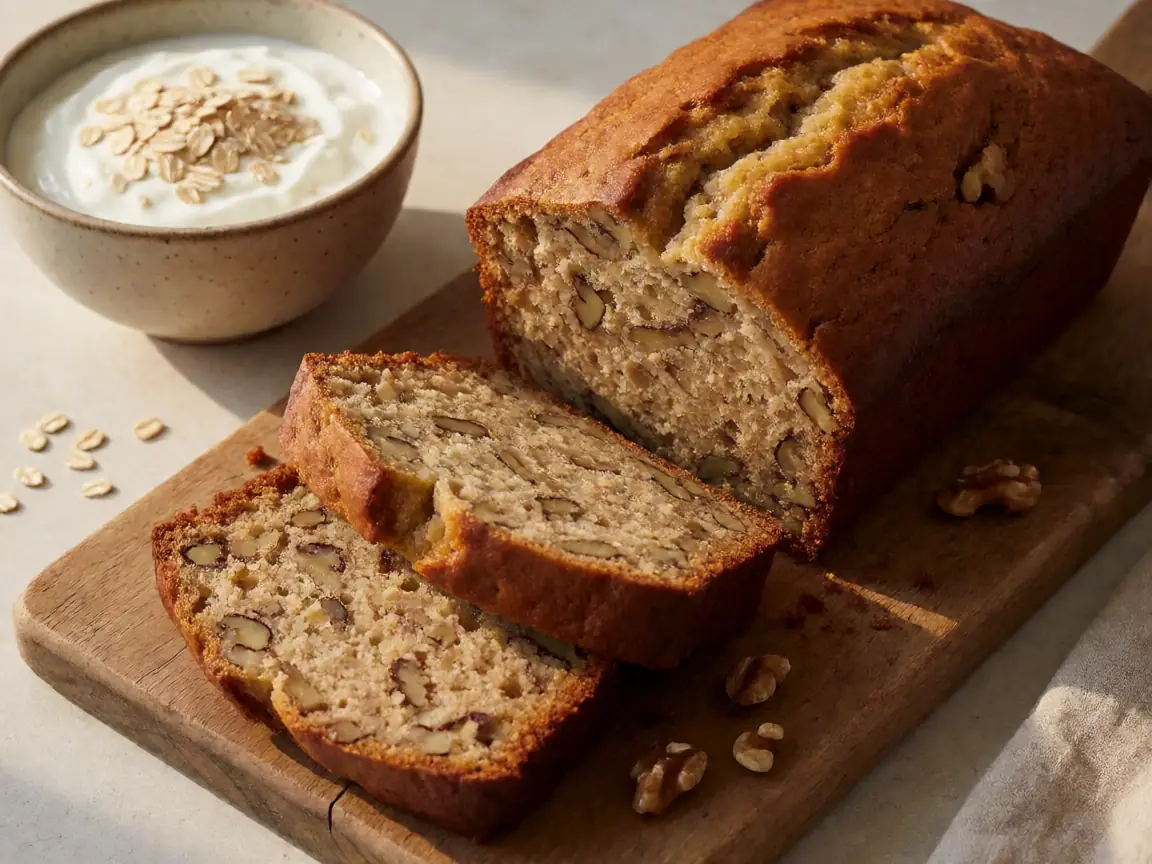
For cinnamon walnut bread, use cinnamon, vanilla, and measured walnuts. For chocolate banana bread, replace a small amount of oat flour with unsweetened cocoa and add a few measured dark chocolate pieces if desired. For a peanut-butter version, swirl a thin amount of unsweetened peanut butter through the batter, but remember that it adds energy and can make the center denser. For a berry version, fold in a small amount of fresh or frozen berries after coating them lightly with flour.
Flavor does not need to depend on extra sugar. Cinnamon, vanilla, orange zest, cocoa, coffee, toasted nuts, and a pinch of salt can make the banana taste more complete. If the protein powder is sweetened, taste the batter before adding any other sweetener. Raw batter may not taste exactly like the baked loaf, but it can reveal whether the flavor is already too sweet or too bitter.
Use toppings after cooling when possible. A spoonful of plain yogurt, a measured nut butter, or sliced banana can make one serving feel different from the next without changing the entire loaf. Keep perishable toppings chilled and add them just before eating.
Portioning and nutrition estimates
Let the loaf cool, then decide how many slices the batch will make. Slice evenly or weigh the loaf and divide by the number of servings. Add the protein and energy values from the actual bananas, eggs, yogurt, flour, protein powder, nuts, oil, and toppings. Divide the total by the number of slices. A recipe estimate changes with banana size, protein powder brand, yogurt fat content, and slice thickness.
Portioning is information, not a rule about how much anyone must eat. One slice may be a snack, while two slices with yogurt and fruit may work as breakfast for another person. Consider hunger, the next meal, activity, and the rest of the day. If you need precise medical nutrition information, use the method recommended by your clinician or dietitian.
High protein does not automatically mean low calorie or more satisfying for every person. The loaf may also contain carbohydrate from banana and oats, fat from eggs and nuts, and sodium from the protein powder or added salt. A transparent estimate helps you decide how it fits; it does not predict an individual outcome.
Storage, freezing, and reheating
Cool the loaf completely before storing it. Wrap individual slices or place parchment between them in a sealed container. If the bread contains yogurt, fresh fruit, or another perishable ingredient, refrigerate it promptly and follow local food-safety guidance. A loaf stored warm in a sealed container can collect condensation and become gummy.
Freeze slices when you want a longer storage option. Wrap them individually, label the date, and thaw one portion at a time. A brief warm-up can restore softness, but avoid overheating because protein-rich baked goods can become firmer when heated too aggressively. If you use a yogurt topping, add it after thawing rather than freezing it with the bread.
Texture is usually best when the loaf is allowed to come to a comfortable eating temperature. A cold slice may seem firm while a room-temperature slice may seem softer. Compare batches under the same conditions before deciding that one recipe is better.
How to fit banana bread into meal prep
Use the loaf as one component of a planned breakfast or snack. Pair a slice with plain yogurt, cottage cheese, milk, eggs, berries, or another food that fits your hunger and preferences. A slice on its own may be perfect between meals, but it may not be enough after a long morning. The solution is to add an appropriate side, not to keep adding protein powder to the batter.
Prepare a small batch on a day when you can cool, slice, and store it properly. If you dislike eating the same flavor several days in a row, freeze half the slices. Keep the base loaf simple and vary the side: yogurt and berries on one day, nut butter on another, or a savory egg on the side if that suits your meal.
For another make-ahead breakfast format, compare the high-protein breakfast muffin guide. Muffins use similar ingredients but offer built-in portions and often a shorter cooling time.
Substitutions for different needs
Use plain soy yogurt or blended silken tofu for a dairy-free version, checking the product’s protein label. Replace walnuts with pumpkin seeds or sunflower seeds when appropriate. If nuts are a concern, also check the protein powder, oats, chocolate, and facility statements for cross-contact. Use a suitable egg substitute only when you understand how it affects structure; some substitutes add moisture but do not set like eggs.
For a less sweet loaf, use fewer ripe bananas and add moisture from yogurt or milk while keeping the batter thick enough to bake. For a more banana-forward loaf, use ripe fruit but reduce other liquid. For a lower-fat version, omit nuts and use yogurt instead of oil, but the texture may be less rich. Every substitution changes the result, so test a small batch and record the change.
For a gluten-free recipe, choose labeled gluten-free oats or another flour that suits the requirement. For an allergy-aware recipe, follow the individual’s medical plan rather than relying on a generic substitution list. A recipe can be flexible without being universally safe.
Common mistakes to avoid
The most common mistake is adding too much protein powder because the goal is “high protein.” The loaf needs enough starch and moisture to remain bread. The second is using a large amount of banana without measuring it. The third is slicing before cooling, which can make a properly baked loaf look wet. The fourth is adding nuts, chocolate, oil, and toppings without considering the complete serving.
Another mistake is comparing a homemade loaf to a packaged bar as though the products have the same purpose. A loaf is a baked food with a specific texture and storage pattern. A packaged bar may use a different sweetener system and be designed for portability. Compare what the food is intended to do rather than searching for one winner.
Finally, avoid describing a recipe as a treatment, a guaranteed weight-loss food, or a substitute for individualized care. The loaf can be practical and delicious without making claims it cannot support.
Related high-protein meal ideas
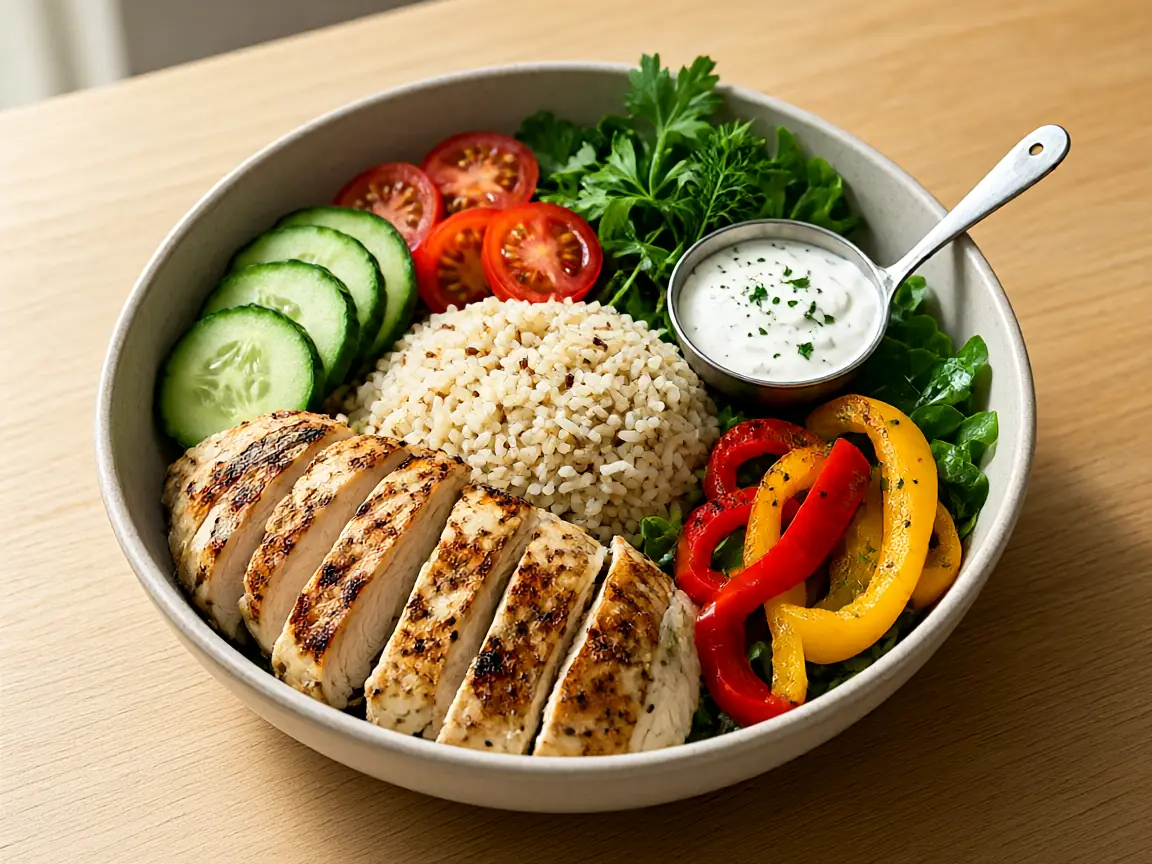
If you want a larger plate rather than a breakfast slice, the 800 calories high protein meal guide explains how to combine a protein anchor, vegetables, carbohydrate, and sauce. For bowl formats, read the high-protein bowl recipes guide. The protein and fiber guide can help you choose sides that add texture and variety.
Frequently asked questions
Can protein powder replace all of the flour?
No. Flour supplies starch and structure that help banana bread hold together. Replacing too much flour with protein powder can create a dry, rubbery, or crumbly loaf. Use a moderate amount and adjust moisture gradually.
Why is my high-protein banana bread dry?
It may be overbaked, contain too much protein powder, use small bananas, or use a powder that absorbs more liquid. Add yogurt or milk next time, reduce the powder slightly, and judge the crumb after the loaf cools.
Can I use cottage cheese?
Yes. Blend cottage cheese smooth or stir it into the wet ingredients. It adds moisture and protein, but the batter may need a little more flour or a longer bake. Recalculate the recipe using the product label.
Can I make this recipe without eggs?
You can test an appropriate egg substitute, but eggs help the loaf set and contribute moisture. The substitute may change the crumb and the bake time. Make a small batch before scaling up.
How should I store protein banana bread?
Cool it fully, seal it, refrigerate versions with perishable ingredients, and follow local food-safety guidance. Freeze individual slices when you need a longer storage option. Add yogurt or other toppings after thawing.
Does high-protein banana bread guarantee weight loss?
No. A higher-protein recipe can fit a meal-prep routine, but no single food guarantees weight loss, muscle gain, fullness, or a medical outcome. Total intake, activity, sleep, stress, health conditions, medications, and personal needs all matter.
Editorial and safety note
This article provides general food and nutrition education, not individualized medical, dietetic, or weight-management advice. Nutrition values vary with brands, weights, ripeness, cooking methods, and serving size. Read allergy statements, follow safe food-handling practices, and consult a qualified professional for allergies, pregnancy-related nutrition needs, kidney disease, diabetes, medication questions, or eating-related distress. See our editorial policy and disclaimer for the limits of this content.