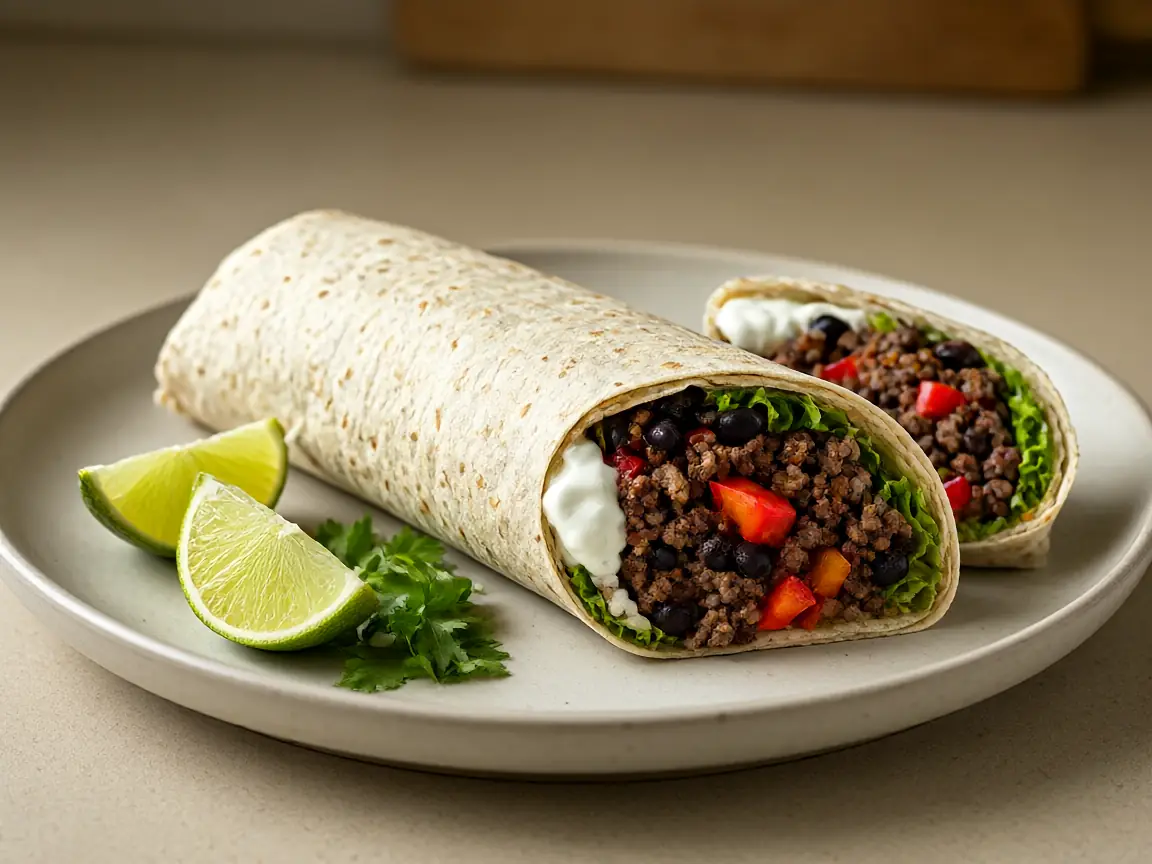
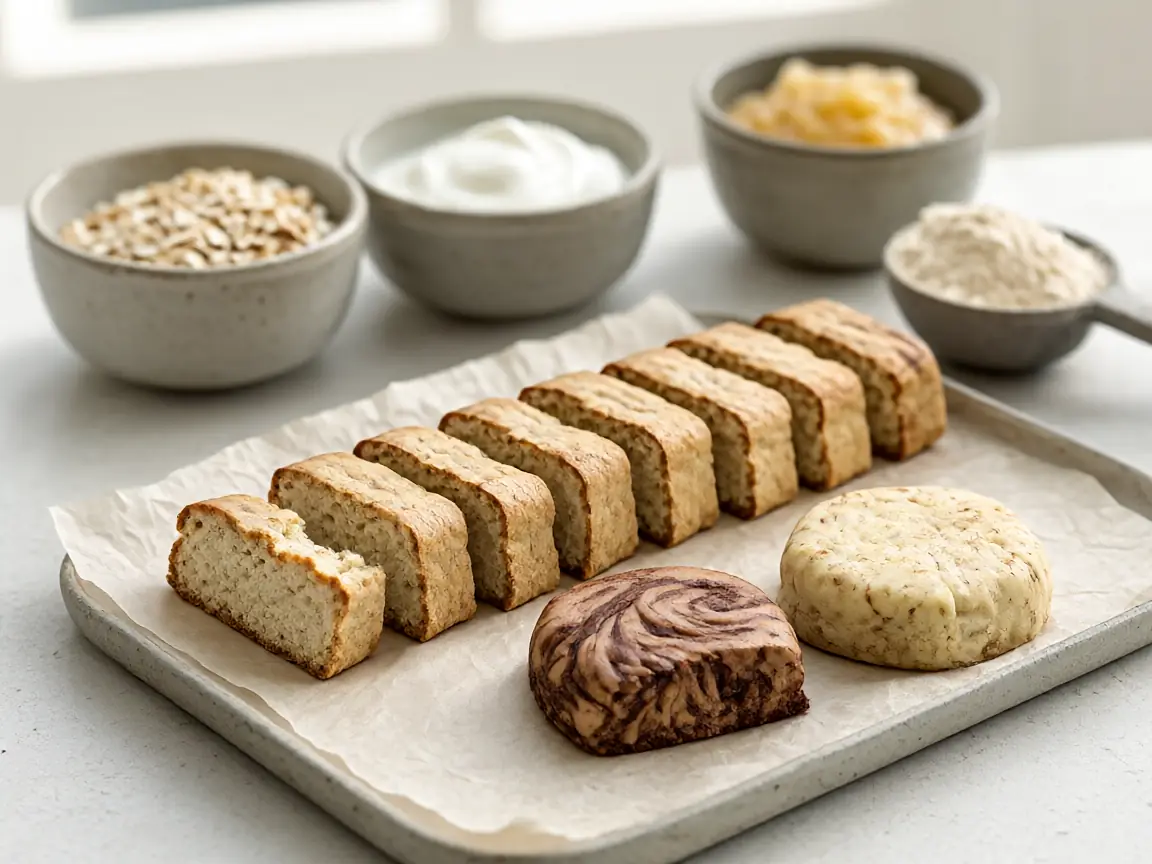
Primary keyword: 800 calories high protein meal. This guide uses one substantial plate as a planning example, then shows how to adjust the ingredients without turning a calorie target into a promise.
Quick answer
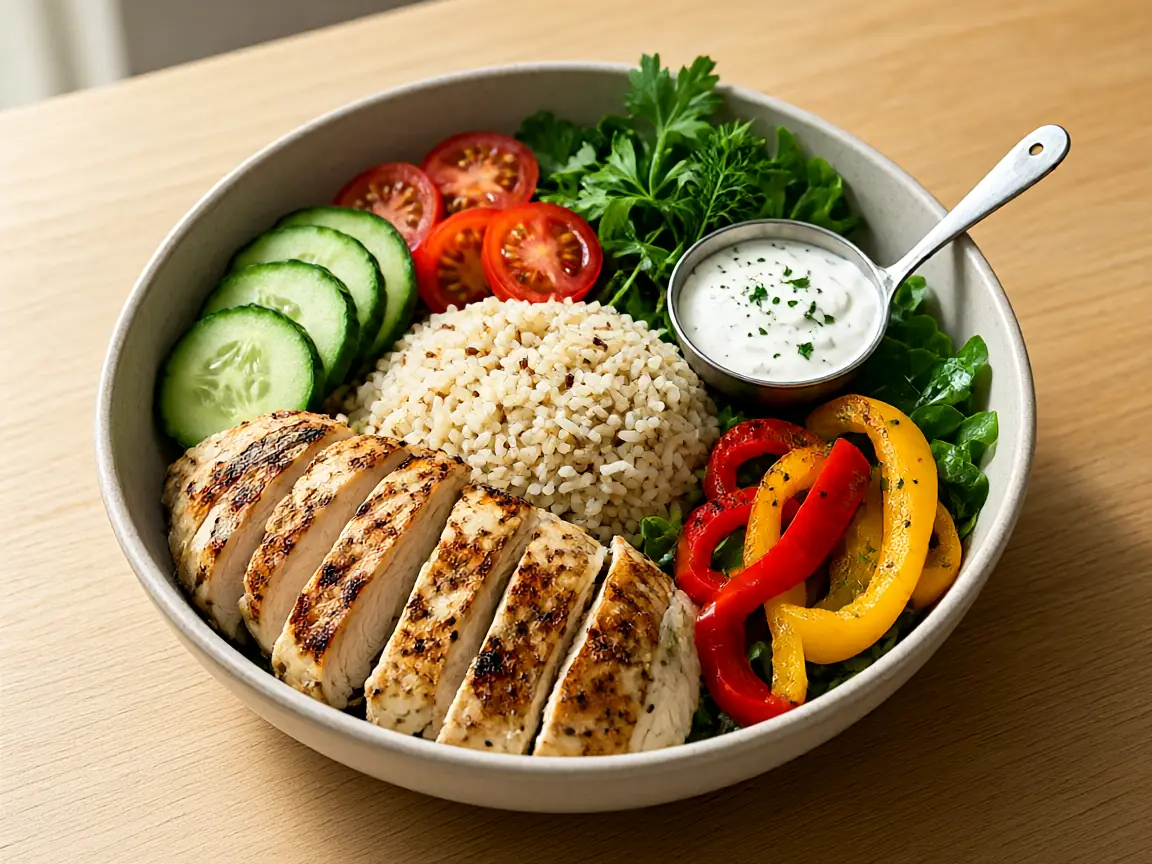
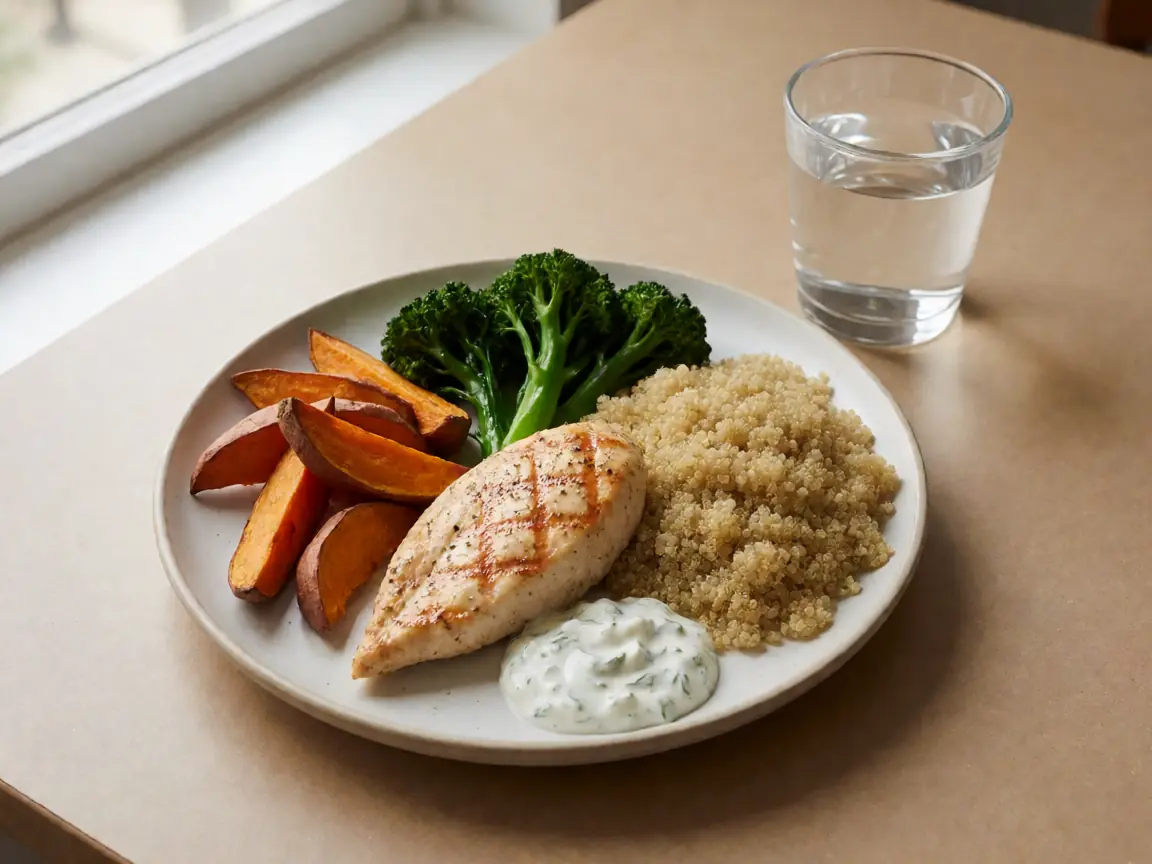
An 800-calorie high-protein meal works best as a complete plate with a measured protein anchor, a satisfying carbohydrate, vegetables or fruit, and a sauce or fat that makes the meal enjoyable. One practical example is grilled chicken, roasted sweet potato, quinoa, a large serving of vegetables, and a yogurt-herb sauce. The exact calories and protein depend on the brands, weights, cooking method, and number of servings, so treat the estimate as a starting point. Weigh or label-check the ingredients when precision matters, and adjust the portion to your appetite, schedule, activity, and professional nutrition guidance.
The aim is not to make every meal exactly 800 calories. The aim is to understand how a higher-energy meal can still be structured, repeatable, and useful for meal preparation. The same architecture can become smaller, larger, vegetarian, dairy-free, or more portable by changing one component at a time. For a broader collection of ideas, start with the high-protein recipes section.
What makes this an 800-calorie high-protein meal?
A calorie total is the sum of the ingredients, not a quality label. A plate can reach 800 calories through a large amount of oil, a very dense dessert, or a combination of useful foods. A high-protein meal adds another planning question: where does the protein come from, how much is actually in the serving, and does the rest of the plate make the food satisfying enough to repeat? The answer should be visible in the ingredient list rather than hidden behind a slogan.
For this example, the meal is built from four roles. The first is a lean or moderately lean protein anchor, such as chicken breast, turkey, fish, tofu, tempeh, eggs, or a combination of beans and dairy. The second is a carbohydrate base, such as sweet potato, rice, quinoa, beans, or whole-grain pasta. The third is a generous vegetable component that adds color, texture, and volume. The fourth is a finishing element such as yogurt sauce, avocado, olive oil, nuts, seeds, or cheese. Every role can be changed, but the plate remains easier to understand when the roles remain clear.
Protein is not a magic number and this article does not prescribe a universal target. The amount that fits one person may be too much or too little for another. A person with a medical condition, kidney disease, food allergy, pregnancy-related nutrition needs, or a prescribed diet should ask a qualified professional before making major changes. The recipe is general food education, not individualized medical or weight-management advice.
A practical plate formula
The following formula creates a substantial meal without requiring specialty ingredients. It is written as an example rather than a rigid prescription:
- About 6 ounces of cooked chicken breast or another protein anchor, prepared without a heavy coating.
- About 1 cup of cooked quinoa or a similar grain, adjusted to the appetite and the rest of the plate.
- One medium roasted sweet potato, or a measured serving of rice or another starchy side.
- Two generous cups of non-starchy vegetables, such as broccoli, peppers, zucchini, green beans, or leafy greens.
- A yogurt-herb sauce made with plain Greek yogurt, lemon, herbs, garlic, and enough water to reach a spoonable texture.
- A measured amount of olive oil, avocado, seeds, or another fat source, because free-pouring can change the total quickly.
Depending on the exact ingredients and preparation, this combination can land around the intended energy range while providing a meaningful protein contribution. Do not copy a calorie estimate from a generic table and assume it describes your kitchen. Chicken size, quinoa moisture, oil absorbed during roasting, yogurt brand, and sauce quantity all matter. If you are recording the meal, enter the raw or cooked weights consistently and divide the finished batch by the number of servings actually produced.
For a lower-energy version, reduce the grain or oil first while keeping the protein and vegetables comfortable. For a higher-energy version, add more grain, a side of fruit, extra sauce, or a measured topping. For someone who finds a large plate uncomfortable, split it into two eating occasions instead of forcing one sitting. The best version is one that fits real hunger and can be repeated without stress.
Ingredients and preparation notes
Choose ingredients for flavor and repeatability as well as protein. Skinless chicken is convenient, but fish, tofu, lean ground turkey, cottage cheese, eggs, lentils, beans, or a mix of foods can work. Frozen vegetables are reasonable when they improve access and reduce waste. The recipe should not depend on a single premium product. A meal that can be made from ordinary supermarket ingredients is easier to keep in rotation.
For the protein, pat the surface dry, season with salt and pepper in a quantity appropriate for the rest of the meal, and add spices that match the sauce. Paprika, garlic, cumin, oregano, black pepper, chili, lemon zest, and dried herbs are useful starting points. Cook using a method that suits the cut and follow local food-safety guidance. Allow the cooked protein to rest briefly before slicing so the texture is easier to judge. If you are batch cooking, make the pieces similar in size so they finish at the same time.
For the sweet potato, cut pieces to a similar thickness, toss with a measured amount of oil, and roast until the center is tender. For quinoa, rinse if needed, cook according to the package method, and let it stand before fluffing. The resting step helps you portion it without treating a wet or clumped grain as a different food. For vegetables, roast, steam, or sauté until they retain a texture you actually enjoy. A high-protein plan that makes vegetables unpleasant will be difficult to repeat.
For the sauce, mix plain Greek yogurt with lemon juice, chopped parsley or dill, garlic, black pepper, and a small amount of water. Taste before adding more salt because the protein seasoning, grain, and vegetables may already bring enough. A dairy-free version can use unsweetened soy yogurt or a blended white-bean sauce. A tahini-lemon sauce is another option, but its energy contribution can be higher, so measure it if you are working toward an approximate calorie range.
How to portion the finished meal
Portion after cooking, not by guessing from the size of the raw ingredients. Place the cooked grain in a bowl or container, add the vegetables, then portion the protein so each serving receives a similar amount. Keep sauce in a separate small container when it will otherwise soften the vegetables or grain. If you are preparing more than one serving, weigh the total cooked batch, choose the number of servings, and divide it evenly. You can then make a deliberate adjustment rather than discovering that the final container is mostly starch or mostly vegetables.
Portioning is a measurement tool, not a moral rule. Appetite changes with sleep, stress, activity, illness, work schedules, and food availability. If one serving does not satisfy you, review the complete meal instead of deciding that the problem is a lack of willpower. A larger vegetable portion may help one person, while another may need more carbohydrate or sauce for enjoyment. A person in a training program may have a different practical need from someone who is eating the meal at a desk. Use the numbers to understand the plate, not to ignore your body.
When exact nutrition information matters, read each package label and use the actual amounts. Protein powders, yogurts, grains, sauces, and prepared meats can vary widely. A home estimate should be described as an estimate. If a dietitian has given you a specific target, use the calculation method they recommend rather than treating a public recipe as a personalized plan.
Batch-cooking workflow for a busy week
A simple workflow prevents an 800-calorie high protein meal from becoming an all-day project. Start by writing the component list and deciding how many servings you need. Cook the longest item first, usually the sweet potato or grain. While it cooks, season and prepare the protein, wash or cut the vegetables, and mix the sauce. Use separate utensils for raw protein and ready-to-eat ingredients. When each component is finished, let it cool in shallow containers before sealing and refrigerating.
Make a two-day version if you dislike eating the same food repeatedly. Prepare the protein and grain in a neutral style, then vary the finish with lemon-herb sauce, salsa, a curry yogurt sauce, or a crunchy seed topping. The base stays familiar while the flavor changes. You can also turn the components into a bowl one day, a wrap the next day, and a salad or soup addition later. A meal-prep system is more durable when it creates several formats rather than a single identical box.
Keep one emergency option available for the day when cooking fails. This might be a carton of eggs, a can of beans, plain yogurt, frozen vegetables, microwaveable rice, fruit, or a store-bought protein that has a clear label. The fallback does not need to copy the planned meal. Its purpose is to keep the next food decision simple and reduce the pressure to compensate with an extreme choice later.
Substitutions that preserve the structure
Substitute by role instead of swapping randomly. Chicken can become tofu, tempeh, fish, lean turkey, eggs, cottage cheese, lentils, or beans. If you use a plant protein, check the label and decide whether a second protein food improves the texture or the total contribution. Quinoa can become rice, barley, potatoes, whole-grain pasta, corn, or a bean-and-grain mixture. Vegetables can follow the season, the freezer, or the produce that is least likely to be wasted.
If you replace the yogurt sauce with avocado, tahini, cheese, or nuts, the energy and texture will change. That is not a problem; it simply means the final meal should be treated as a new version. Make one major substitution at a time when you are testing a batch. Record what you used, how it tasted after refrigeration, and whether the portion was comfortable. A small note in your phone is enough to make the next batch more informed.
For a gluten-free meal, select grains and packaged ingredients with appropriate labeling and consider cross-contact. For a dairy-free meal, use a suitable unsweetened yogurt alternative or a sauce based on beans, tahini, herbs, or blended vegetables. For lower sodium, use unsalted ingredients and let acidity, herbs, spices, garlic, and texture do more of the flavor work. People with allergies should follow their own clinical guidance and read every label.
Storage, reheating, and food quality
Storage begins before the container goes into the refrigerator. Spread hot food in shallow containers so it cools more evenly, keep the refrigerator at a safe temperature, and follow local food-safety guidance for leftovers. Mark the date and keep sauce, greens, and crunchy toppings separate when that protects quality. Do not rely only on smell or appearance to decide whether food is safe. If food has been held improperly or you are uncertain about it, discard it.
Reheat only the components that benefit from reheating. Chicken, grain, and sweet potato can be warmed while greens and yogurt sauce remain chilled. Add a small splash of water to a dry grain, cover the container when appropriate, and use short intervals so the outside does not overheat before the center is warm. If texture is better cold, serve the meal as a composed bowl instead. The best storage strategy is the one that preserves enough quality for you to want the next serving.
Freezing is most useful for components that tolerate it. Cooked grains, some proteins, and roasted vegetables can work, while fresh greens and yogurt sauces may need to be added later. Label frozen portions with the date and contents. Thaw and reheat according to safe food-handling practices. Do not freeze a large container simply because it is convenient if you already know the texture will discourage you from eating it.
How to fit the meal into a day
An 800-calorie meal may be appropriate for one person and excessive or insufficient for another. Its place in a day depends on the other meals, snacks, beverages, activity, appetite, and any professional plan. Some people prefer one larger meal; others feel better with smaller portions. You can divide the plate into lunch and dinner, use half as a post-activity meal, or reduce the serving and add the leftovers to a second meal.
Consider the eating context. A meal eaten quickly between meetings may need simpler textures and fewer separate components. A meal eaten at home may support a bowl with sauce, herbs, and a crunchy topping. A person traveling may need shelf-stable or restaurant alternatives. The phrase high protein should not force one lifestyle onto everyone. The useful question is whether the meal supplies food you enjoy, enough structure to make the next decision easy, and a portion that fits the day.
If you are using the meal to support a weight-management routine, avoid promising that a specific calorie number will produce a specific result. Body weight is influenced by many factors and changes over time. A meal can support planning without guaranteeing fat loss, muscle gain, fullness, or health. If tracking creates distress, compulsive behavior, or fear around food, step back and seek qualified support.
A simple review after the first batch
Use five questions after you eat the first serving. Was the meal satisfying for a reasonable amount of time? Did the protein stay tender? Did the grain and vegetables keep a texture you liked? Was the preparation and cleanup worth the effort? Would you choose the meal again without relying on discipline? The answers help you improve the system without changing everything at once.
If the meal feels dry, add sauce at serving, shorten reheating, or choose a different cooking method. If it feels too heavy, reduce the dense carbohydrate or fat component and keep the plate comfortable. If it is bland, use acid, herbs, spices, garlic, or a contrasting texture before simply adding more salt. If it is expensive, replace one premium item with beans, eggs, frozen vegetables, store-brand grains, or another accessible protein. If it is boring, change the sauce and presentation before abandoning the entire approach.
For more ways to combine protein and plant foods, see boost high protein with fiber. For a batch-cooking system rather than a single plate, use the high-protein meal prep guide. These pages can help you choose the next step without treating this recipe as the only solution.
Frequently asked questions
Is 800 calories too much for one meal?
There is no universal answer. It depends on the person, the rest of the day, activity, appetite, health history, and any professional nutrition plan. Use the example as a structure that can be divided or adjusted. Do not treat the number as a prescription.
How much protein should the meal contain?
The appropriate amount varies. Start by identifying a clear protein anchor and checking the label or a reliable food database, then consider the complete day. A qualified dietitian or clinician can help with a specific target, especially when medical conditions, medications, pregnancy, kidney health, or allergies are involved.
Can I make this meal vegetarian?
Yes. Use tofu, tempeh, eggs, cottage cheese, Greek yogurt, lentils, beans, edamame, or a combination. Recalculate the serving because different protein foods bring different amounts of protein, carbohydrate, fat, sodium, and moisture. Use a sauce and seasoning that suit the substitute rather than trying to make every ingredient taste like chicken.
Can I prepare the meal three or four days ahead?
You can batch-cook components when they are cooled, stored, and reheated safely, but quality often changes over time. Keep sauces and crisp ingredients separate, date the containers, and follow local food-safety guidance. Freeze the parts that reheat well if you will not eat the whole batch within the preferred refrigerated window.
How do I lower the calories without lowering the protein too much?
First measure the oil, sauce, cheese, nuts, and dense carbohydrate because these can change the total quickly. Reduce one of those components while keeping a comfortable protein portion and plenty of vegetables. Avoid cutting so aggressively that the meal becomes unpleasant or leaves you hungry immediately.
Does an 800-calorie high-protein meal guarantee weight loss?
No. No single meal guarantees a body-weight or health outcome. Use the recipe as a practical planning example, not as a promise. Total intake, activity, sleep, stress, medical conditions, medications, access to food, and many other factors can matter. Seek individualized support when you need it.
Editorial and safety note
This article provides general food and nutrition education. Nutrition values are estimates and can change with brands, weights, cooking losses, substitutions, and serving size. Use safe food-handling practices, follow package and local guidance, and consult a qualified professional for medical nutrition needs, allergies, pregnancy, kidney disease, diabetes, eating-related distress, or questions about medication. See our editorial policy and disclaimer for the limits of our content.