Primary keyword: no sugar added protein bar. This guide explains what the phrase can mean, how to make a practical homemade version, and how to compare packaged bars without treating a front-of-pack claim as a complete nutrition review.
Quick answer
A no-sugar-added protein bar is a bar made without adding table sugar, syrups, honey, or another sweetening ingredient that contributes added sugar. It may still contain naturally occurring sugar from milk, fruit, or other ingredients, and it may still contain sugar substitutes. The useful way to evaluate one is to read the serving size, total sugar, added-sugar declaration when available, protein source, fiber, fat, sodium, allergens, and full ingredient list together. A homemade version can use unsweetened peanut butter, oats, protein powder, seeds, cocoa, and a small amount of milk or yogurt to create a firm, portable snack.
The phrase does not guarantee low calories, low carbohydrate, better taste, higher protein, or a particular weight outcome. Some products replace sugar with dates, fruit concentrates, sugar alcohols, or non-nutritive sweeteners; each choice changes the texture and the way the bar fits into a day. The goal is a transparent food decision, not a perfect label. For more recipes and formats, visit the high-protein recipes section.
What “no sugar added” can and cannot tell you
“No sugar added” describes an ingredient decision, not the entire nutrition profile. A bar can have no added table sugar and still contain sugar naturally present in milk powder, fruit, or a nut-and-fruit mixture. It can also be sweetened with a sugar alcohol or an intense sweetener. Those ingredients may be useful for some people and unpleasant for others. The correct comparison is the complete panel and the role the bar will play, not one bold phrase.
Start with serving size. A package may contain one bar, but the nutrition panel can be based on half a bar. Compare products using the amount you actually intend to eat. Next, look at protein and decide whether the product is a snack, an emergency bridge between meals, or a substitute for part of a meal. Then review fiber, total carbohydrate, fat, sodium, and sugar. None of these numbers is automatically good or bad; they provide context for a person’s preferences, tolerance, budget, and overall eating pattern.
Read the ingredient list from the beginning. Ingredients appear in descending order by weight in many packaged-food systems, so the first few entries can tell you whether the bar is mainly a protein blend, nuts and seeds, oats, fruit, or a confectionery-style base. Look for the specific protein sources, such as whey, milk, soy, pea, egg, nuts, seeds, or a combination. A shorter list is not automatically better, and a long list is not automatically worse. The practical questions are whether the ingredients are understood, tolerated, affordable, and suitable for the intended use.
A simple homemade no-sugar-added protein bar
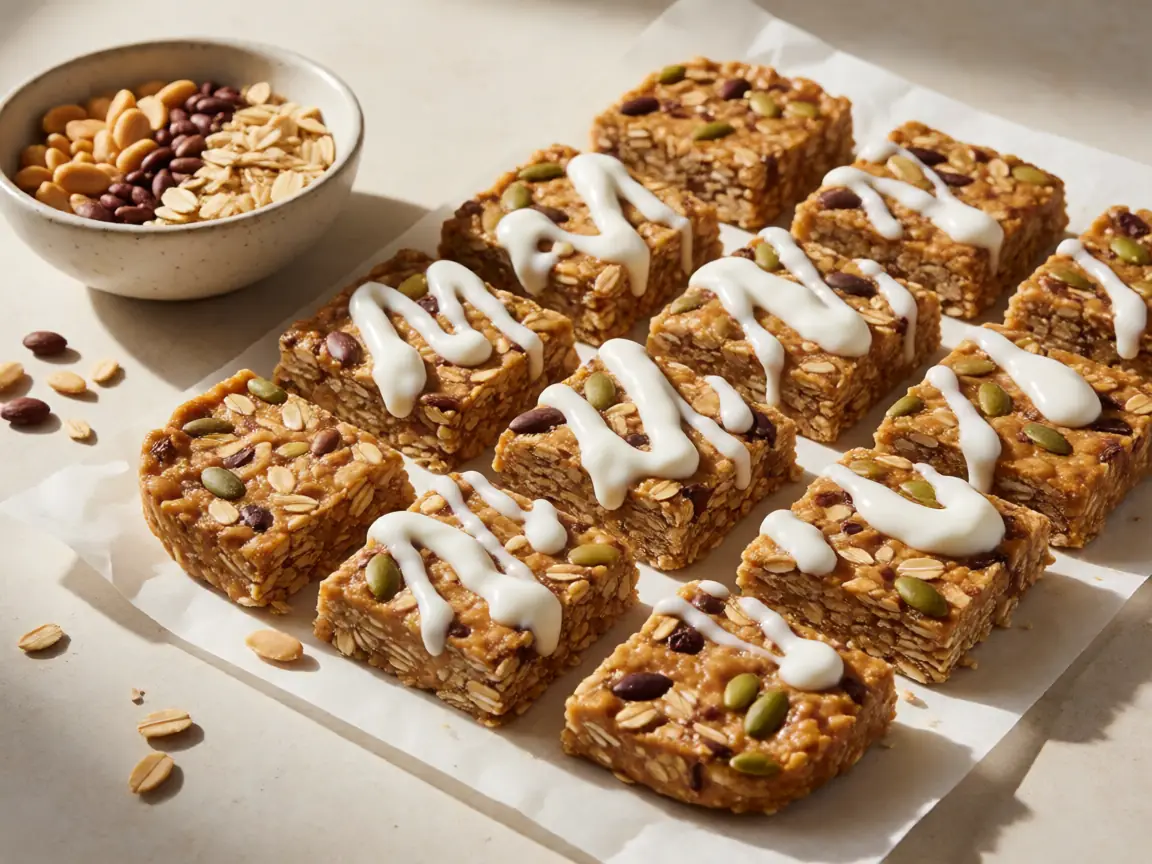
This recipe creates a soft, sliceable bar rather than a factory-style chewy bar. It uses unsweetened ingredients and relies on cocoa, cinnamon, vanilla, and the natural flavor of peanut butter for character. If you want more sweetness, choose a sweetener that fits your preferences and label it clearly; do not describe a bar as sugar-free simply because it contains no table sugar.
- 1 cup plain rolled oats, blended briefly if a finer texture is preferred.
- 1/2 cup unsweetened peanut butter or another nut or seed butter.
- 1/2 to 3/4 cup unflavored or lightly flavored protein powder, depending on density.
- 2 tablespoons unsweetened cocoa powder.
- 2 tablespoons ground flaxseed or chia seeds.
- 1 teaspoon cinnamon and 1 teaspoon vanilla extract.
- 1/4 teaspoon salt, adjusted to the saltiness of the nut butter and protein powder.
- 1/3 to 1/2 cup unsweetened milk, plain yogurt, or a suitable dairy-free alternative.
Line a small square pan with parchment. Stir the oats, protein powder, cocoa, seeds, cinnamon, and salt in a bowl. Add the nut butter and vanilla, then add the milk or yogurt gradually. The mixture should hold together when pressed but should not be wet. If it crumbles, add one teaspoon of liquid at a time. If it is sticky, add a spoonful of oats or protein powder and wait a few minutes before adding more. Protein powders differ in how quickly they absorb moisture, so patience is more useful than adding a large amount at once.
Press the mixture firmly into the lined pan. Use the bottom of a glass or a second sheet of parchment to create an even surface. Chill for at least one hour before slicing. For a firmer result, chill longer; for a softer result, leave the bars briefly at room temperature before eating. Store them in a sealed container and follow the storage guidance for the ingredients used. If the recipe contains dairy or another perishable ingredient, refrigerate it promptly and use a conservative storage window.
How to adjust the recipe without losing the structure
Change one major ingredient at a time. Oats provide bulk and a gentle chew, but they can be replaced with finely ground nuts, puffed grains, unsweetened coconut, or a mixture that suits the eater. Nut butter supplies fat, flavor, and cohesion; seed butter can work for an allergy-aware version, though the moisture and bitterness may change. Protein powder adds structure and protein, but one brand may make a dry bar while another creates a soft paste.
If you use plain Greek yogurt, the mixture may be softer and more perishable. If you use milk, add it slowly and keep the finished bars chilled. If you use mashed banana, applesauce, dates, or dried fruit, the flavor and naturally occurring sugar change; that can still be a useful recipe, but record the ingredient honestly. Dried fruit and concentrated fruit ingredients can add sweetness and energy even when no table sugar is added. The wording should describe what is in the bar rather than imply that one sweetening system suits everyone.
For a chocolate-peanut flavor, increase cocoa slightly and add a pinch of espresso powder if desired. For a cinnamon version, use cinnamon, vanilla, and a small amount of grated orange zest. For a savory protein square, leave out cocoa and vanilla, use herbs and spices, and pair the mixture with a suitable seed butter. Avoid adding an ingredient simply because it sounds nutritious. Every addition changes texture, cost, flavor, or storage, so give it a clear job.
How to evaluate the protein contribution
Calculate the protein from the actual labels and the actual number of pieces. Add the protein listed for the oats, nut or seed butter, protein powder, milk or yogurt, and seeds. Divide the total by the number of bars. This estimate is more useful than assuming every scoop of protein powder contains the same amount. Some powders are concentrated, some include more carbohydrate or fat, and some are blended with ingredients that change the serving size.
A bar can be high in protein and still not be a complete meal. It may need fruit, yogurt, vegetables, a sandwich, or another food depending on hunger and timing. Conversely, a person may prefer a smaller bar because a full meal is coming soon. The label should help you decide how the product fits into the day. It should not force you to eat a fixed portion when your schedule or appetite is different.
Protein needs also vary with body size, age, activity, health history, and goals. This article does not give a universal target or a promise about muscle, fullness, or weight. People with kidney disease, allergies, pregnancy-related nutrition needs, diabetes, digestive conditions, or a prescribed diet should consult a qualified professional before using concentrated protein products regularly.
Packaged-bar comparison checklist
When comparing packaged options, use the same checklist every time:
- Confirm the serving size and whether the package contains one or several servings.
- Check total sugar and the added-sugar declaration where the label provides one.
- Identify the main protein sources and compare protein with the calories of the serving.
- Review fiber, total carbohydrate, fat, and sodium in the context of the rest of the snack or meal.
- Read the ingredient list for syrups, fruit concentrates, sugar alcohols, sweeteners, and allergens.
- Consider texture, portability, temperature, price per serving, and whether you will actually enjoy it.
A comparison is stronger when it uses the same serving basis. Do not compare a half-bar serving with a full bar and then call the lower number better. If a product uses a blend, remember that the label may not explain the proportion of each protein source. If a claim sounds unusually absolute, look for the supporting information on the nutrition panel rather than repeating the claim as a fact.
Sugar alcohols and alternative sweeteners
Some no-sugar-added bars use sugar alcohols or intense sweeteners to create a sweet taste. These ingredients are not interchangeable. People differ in how they respond to them, and larger amounts of certain sugar alcohols may cause digestive discomfort. Check the ingredient list and notice how your body responds. A product that works for one person may be an uncomfortable choice for another.
“No sugar added” also does not mean “unsweetened.” If a bar tastes sweet, it contains a sweetening system of some kind. That is not automatically a problem, but it matters for honest comparison. If you are sensitive to a particular ingredient, use the full label rather than relying on a front-of-pack phrase. When baking or making bars at home, write down whether you used a sweetener, fruit, milk, or another ingredient that contributes sugar.
Flavor balance can reduce the need for a large amount of sweetener. Cocoa, cinnamon, vanilla, salt, citrus zest, coffee, toasted nuts, and a small amount of bitterness can create a more rounded taste. The result may be less candy-like and more suitable as part of a meal-prep routine. Taste preference is personal; the point is to choose deliberately.
Portioning, storage, and portability
Slice the homemade mixture into equal pieces after it has chilled. If the bars are intended for a work bag, wrap them individually or place parchment between layers. Keep chilled bars in an insulated bag with an appropriate cold pack when the ingredients are perishable. A dry, shelf-stable formula may travel more easily, but it may also be less soft. Choose the version that matches the storage conditions rather than pretending every bar is portable in every climate.
Keep the date on the container. Use clean utensils, avoid leaving perishable bars at room temperature for long periods, and follow local food-safety guidance. If the texture, smell, or appearance changes unexpectedly, discard the food. Do not rely on a nutrition claim to make an old or poorly stored product safe.
For packaged bars, follow the manufacturer’s storage instructions and check the package for damage before eating. A bar that melts in a hot car may still be safe in some circumstances but may have a poor texture or separated ingredients. Plan a second snack if the bar is being used as an emergency bridge rather than a complete meal. Portability is a practical benefit, not a reason to ignore the rest of the day’s food.
Where the bar fits in a meal-prep routine
A bar can fill several roles. It can be a planned snack after a workout, a small breakfast paired with fruit and yogurt, a portable option between meetings, or a component in a lunch box. The role determines the portion and the foods that accompany it. If the bar is only meant to prevent a long gap between meals, a smaller piece may be enough. If it is replacing part of breakfast, include another food that supplies the texture, volume, or nutrients the bar lacks.
Make only one batch at first. The most expensive mistake in meal prep is preparing a large amount of a recipe before learning whether the texture and flavor work. Taste one piece after chilling, one after a day of storage, and one in the setting where you expect to eat it. Record whether it remained firm, whether it was too dry, and whether the sweetness was comfortable. Then change one variable for the next batch.
Pair the bar with a simple food when appropriate: berries, an apple, plain yogurt, milk, vegetables with a dip, or a meal-prepped container. For a larger meal, a bar may be unnecessary. The 800 calories high protein meal guide shows how to build a more complete plate when a snack is not enough.
Budget and ingredient access
Compare cost per usable serving rather than package size. Protein powder, nut butter, seeds, oats, and yogurt can vary greatly in price. Store-brand oats and peanut butter may make the homemade version accessible, while a packaged bar may be worthwhile when the convenience saves a meal-prep session. The right choice depends on time, storage, taste, equipment, and budget.
Use what you already have when possible. Oats can become breakfast, a coating, or a binder in another recipe. Nut or seed butter can support sauces and snacks. Cocoa, cinnamon, and vanilla can add flavor to several foods. A meal-prep ingredient is more useful when it has more than one job. Do not buy a large container of a specialty ingredient for a recipe you are unlikely to repeat.
If a bar is too dry, adding more protein powder is not always the answer. Try a little more nut butter or a small amount of milk, then wait before adjusting again. If it is too soft, chill it longer or add a modest amount of oats. Note the brand and the measurement because protein powders and nut butters behave differently.
Common mistakes to avoid
The first mistake is assuming the front label explains everything. It does not. The second is treating “no sugar added” as equivalent to “low calorie” or “healthy for everyone.” The third is making the bar so protein-dense that it becomes dry and unpleasant. The fourth is forgetting that nuts, seeds, oils, and nut butters are concentrated ingredients that can change the total quickly. The fifth is storing a perishable bar in a warm bag all day.
Another mistake is changing several ingredients at once. If you replace the oats, protein powder, sweetener, and nut butter in the same batch, you cannot tell which change improved the result. Make a small, controlled adjustment. Texture is information. A crumbly bar may need more binder; a gummy bar may need more dry ingredients or less liquid; a bitter bar may need a different protein powder or more flavor balance. Fix the actual problem instead of adding random ingredients.
Finally, do not make the bar carry the entire responsibility for a meal pattern. A convenient snack is useful when it supports the person’s day. It is not a substitute for varied food, enjoyable meals, adequate hydration, sleep, professional care, or a flexible relationship with eating.
Continue with related guides
For a homemade bar with a specific protein target, read the 20g protein bar recipe and the 30g protein bar recipe. For packaged-product comparisons, see the best low-sugar protein bar guide. You can also review protein and fiber combinations when the bar is only one part of a snack or meal.
Frequently asked questions
Does no sugar added mean sugar-free?
No. The food may contain naturally occurring sugar from milk, fruit, or another ingredient. It may also use a sweetener or sugar alcohol. Read the total sugar, added-sugar declaration where available, and ingredient list together.
Can I make this recipe without protein powder?
Yes, but the texture and protein contribution will change. Use a combination of nut or seed butter, Greek yogurt, milk, seeds, oats, or another suitable protein food, then recalculate the serving. Do not assume the original nutrition estimate still applies.
Can I use dates or banana?
You can, if the flavor and texture are what you want. Dates and banana add naturally occurring sugar and moisture, so the resulting bar should not be described as containing no sugar. They may also shorten the preferred storage window.
Why does my protein bar crumble?
The dry ingredients may need more binder, the protein powder may be unusually absorbent, or the mixture may not have been pressed firmly enough. Add liquid gradually, press the mixture firmly, and chill before slicing. Change one factor at a time.
Are sugar alcohols suitable for everyone?
No ingredient is suitable for everyone. Some people experience digestive discomfort from larger amounts of certain sugar alcohols. Read the label and pay attention to your own tolerance. If you have a medical condition or dietary restriction, ask a qualified professional.
Can a no-sugar-added protein bar support weight loss?
It can be one convenient food in a broader eating pattern, but it cannot guarantee weight loss. Total intake, activity, sleep, stress, medical conditions, medications, appetite, and time all matter. Use the bar as a practical option rather than a promise.
Editorial and safety note
This article is general food and nutrition education, not individualized medical, dietetic, or weight-management advice. Labels, formulas, ingredients, and storage instructions can change. Follow package and local food-safety guidance, read allergen statements, and consult a qualified professional for medical conditions, allergies, pregnancy-related nutrition needs, kidney disease, diabetes, medication questions, or eating-related distress. See the editorial policy and disclaimer for the limits of this content.