Primary keyword: protein balls low sugar. These no-bake bites use a clear protein anchor, a small amount of natural sweetness, and enough moisture to hold together without turning the snack into a dessert that is difficult to portion.
Quick answer
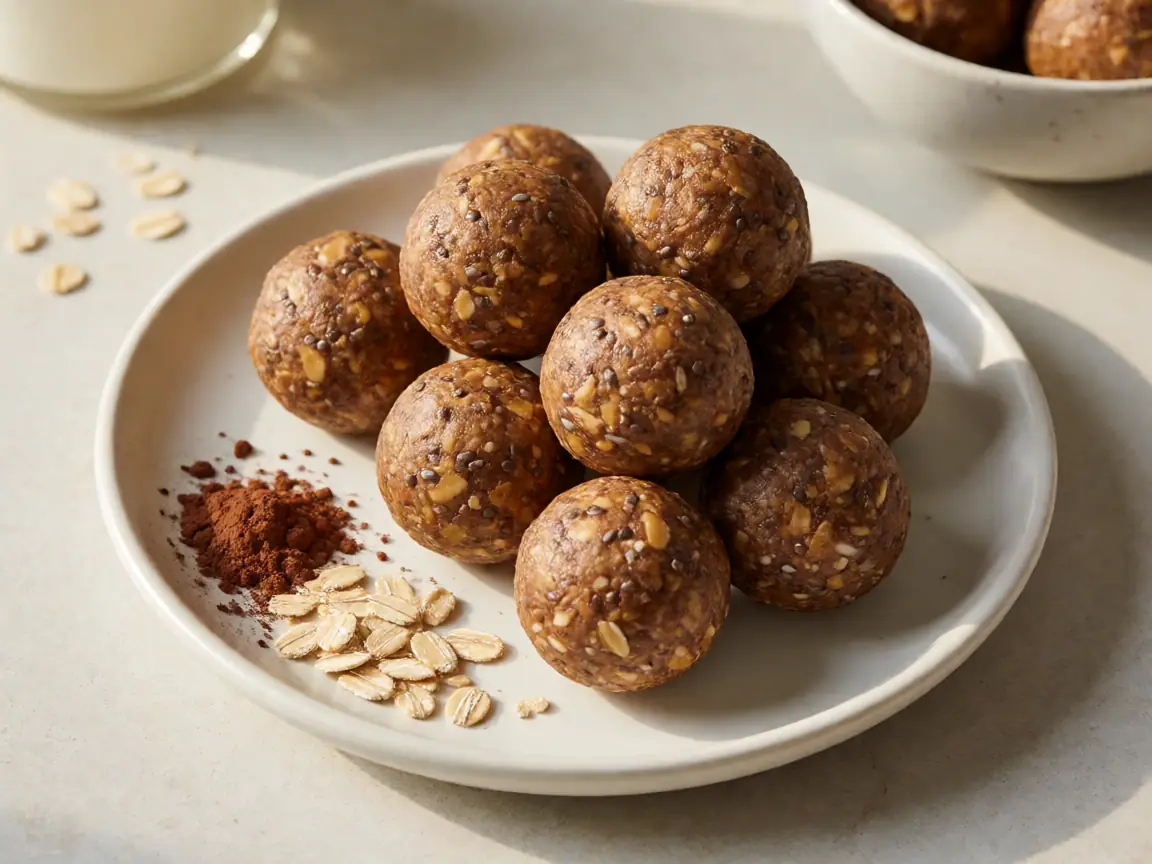
The most dependable low-sugar protein balls start with a protein-rich ingredient, a modest amount of nut or seed butter, a dry binder, and flavorings that make the mixture satisfying without relying on a large amount of syrup or dried fruit. A practical base is plain or lightly flavored protein powder, peanut butter, rolled oats, chia or ground flax, unsweetened cocoa, cinnamon, vanilla, and a small amount of milk or plain yogurt. Mix gradually, chill before judging the texture, and divide the finished mixture into equal pieces.
“Low sugar” is a useful description, not a universal number. Nutrition depends on the brand and amount of protein powder, the nut butter, the liquid, and any sweetener or fruit added. A ball can contain little added sugar and still contain naturally occurring sugar or substantial calories from nuts and seeds. Check the labels and use the actual number of servings. For more practical recipe formats, visit the high-protein recipes section.
What makes protein balls low in sugar?
A low-sugar protein ball usually limits ingredients such as honey, maple syrup, agave, dates, dried fruit, chocolate chips, and sweetened nut butter. It may use cocoa, cinnamon, vanilla, citrus zest, salt, coffee, or toasted seeds to create flavor without making sweetness the only interesting feature. Some recipes use a non-nutritive sweetener or sugar alcohol. Those options can be appropriate for some people and unpleasant for others, so name them clearly and check the ingredient list.
There is a difference between added sugar and total sugar. Milk and yogurt may contain naturally occurring lactose, while fruit contributes natural sugar and moisture. A recipe made with dates can be delicious and still not be the best example of a low-sugar snack. The useful practice is to describe the ingredients honestly rather than treating one label phrase as a health guarantee.
Low sugar also does not mean low calorie, low carbohydrate, or suitable for every diet. Peanut butter, tahini, nuts, seeds, coconut, and protein powders are concentrated foods. They can fit a balanced eating pattern, but the serving size matters. Think of each ball as a measured snack component. Pair it with other food when needed, or use a smaller portion when a meal is coming soon.
A flexible low-sugar protein ball formula
The following formula makes a soft, no-bake mixture that can be shaped into about 14 to 18 small balls, depending on the size. The amounts are a starting point; brands vary in how much liquid they absorb.
- 1 cup plain rolled oats, blended briefly for a smoother bite if preferred.
- 1/2 cup unsweetened peanut butter, almond butter, sunflower-seed butter, or tahini.
- 1/2 cup protein powder, using a flavor and formula you already tolerate.
- 2 tablespoons chia seeds, ground flaxseed, or a combination.
- 2 tablespoons unsweetened cocoa powder, or extra oats for a vanilla version.
- 1 teaspoon cinnamon, 1 teaspoon vanilla, and a small pinch of salt.
- 1/3 cup unsweetened milk or plain yogurt, added gradually.
Stir the dry ingredients in a wide bowl. Add the nut or seed butter and vanilla, then mix until the powder is distributed. Add the liquid one tablespoon at a time. The mixture should clump when pressed but should not feel wet or glossy. Let it stand for five minutes before changing it because oats, chia, flax, and protein powder continue to absorb moisture. If it remains crumbly, add another teaspoon of liquid. If it is sticky, add a small amount of oats or protein powder.
Use a tablespoon or small scoop to divide the mixture. Press each portion firmly between your palms before rolling it into a ball. Chill the balls for at least 30 minutes. Chilling improves the texture and makes it easier to decide whether the binder is working. Store the finished snack in a sealed container. Because the liquid and protein powder can change the storage needs, follow safe food-handling guidance and refrigerate versions made with dairy or other perishable ingredients.
How to choose the protein anchor
Protein powder is convenient, but it is not the only possible anchor. Greek yogurt, cottage cheese, powdered milk, roasted soy, finely ground nuts, seeds, and a small amount of nut butter can contribute protein. They behave differently, so the recipe is not a one-for-one substitution exercise. A wet ingredient needs more dry binder, while a dense powder may require more liquid. Use a small batch when testing a new combination.
Whey-based powders may create a soft and smooth mixture but can make the balls firmer after refrigeration. Plant-based powders may absorb more liquid or create a grainier texture. A blended powder can fall between those results. Read the label for serving size, protein amount, sweeteners, allergens, and flavor. Choose a product you already enjoy in another recipe rather than purchasing a large container solely for a first experiment.
The ideal amount of protein varies by person. This guide does not prescribe a daily target or a specific number of grams per ball. Add the values from the actual labels, divide by the number of pieces, and describe the result as an estimate. A person with kidney disease, food allergies, pregnancy-related nutrition needs, diabetes, digestive conditions, or a prescribed diet should ask a qualified professional before using concentrated protein products regularly.
Flavor ideas without a sugar-heavy coating
Flavor matters because a snack that tastes like dry powder will not support a repeatable routine. For chocolate peanut butter balls, use cocoa, peanut butter, vanilla, and a little salt. For cinnamon vanilla balls, omit cocoa and add cinnamon, vanilla, and a small amount of orange zest. For a mocha version, add unsweetened instant coffee or espresso powder and keep the portion modest. For a savory version, leave out vanilla and cocoa, use herbs, spices, and a seed butter, and treat the balls as a portable component beside a meal.
Unsweetened coconut can add texture, but it also contributes fat and calories. Toasted sesame, pumpkin seeds, or finely chopped walnuts can bring crunch. If you add a coating, measure it and include it in the recipe calculation. Cocoa powder, cinnamon, and finely ground seeds work well as light coatings without adding much sweetness. A thin yogurt glaze will change the storage needs, so use it only when you can refrigerate the snack.
If the mixture tastes bitter, do not immediately add a large amount of sweetener. First check whether the protein powder itself is bitter, whether the cocoa is too strong, and whether a pinch of salt or more vanilla would improve the balance. If you prefer sweetness, add a small, measured amount of an ingredient that you can identify on the label. The result should be a food you enjoy, not a test of how little flavor you can tolerate.
Natural sweetness and sweetener choices
Banana, applesauce, dates, raisins, and dried cranberries add moisture and sweetness, but they also change the total sugar. They can be reasonable ingredients when the goal is a soft fruit-and-protein bite rather than the lowest-sugar version. Use a small amount and describe the recipe accordingly. Dried fruit is especially concentrated, so a small handful can change both sweetness and calories quickly.
Non-nutritive sweeteners and sugar alcohols may reduce sugar in a recipe, but people respond to them differently. Some sugar alcohols can cause digestive discomfort when consumed in larger amounts. Check the ingredient list and notice how the formula affects you. Do not assume a “sugar-free” or “low-sugar” label means the product is comfortable or desirable for everyone.
Flavor can do more work than sweetener. Cinnamon, vanilla, cocoa, citrus zest, toasted nuts, coffee, salt, and a creamy nut butter create contrast. Chilling also changes how sweetness is perceived. Taste a small amount after the mixture rests and again after the balls are cold. This is more reliable than adjusting the entire batch while the ingredients are still warm or dry.
Portioning and nutrition estimates
Decide the number of servings before rolling the mixture. Weighing the total mixture and dividing it evenly is the most consistent method, but a small scoop can be practical. Record the number of pieces and the exact ingredients. Add the protein, total sugar, fiber, carbohydrate, fat, and calories shown on the labels, then divide by the final number of balls. The result is an estimate because brands and spoon measurements vary.
Nut butter and seeds can make a small ball energy-dense. A two-bite portion may be enough when the snack fills a short gap before dinner, while a larger portion may work with fruit or yogurt after activity. Do not make every ball large simply because the mixture is available. A consistent small portion is easier to pack, compare, and adjust.
Use a nutrition estimate as information, not as a moral score. If tracking makes eating stressful or compulsive, you can use a simpler method: choose one or two balls, pair them with a food you enjoy, and observe your hunger and energy. People with medical nutrition needs should use the calculation method recommended by their clinician or dietitian.
Storage and food safety
Storage depends on the wet ingredients. Balls made with milk, yogurt, cottage cheese, fresh fruit, or another perishable ingredient should be refrigerated promptly. Use a clean container, separate layers with parchment, and mark the date. Keep them chilled in a lunch bag with an appropriate cold pack when necessary. A dry formula may last longer, but it should still be protected from heat, moisture, and contamination.
Freezing can work for many oat-and-nut-butter mixtures. Freeze the balls on a lined tray first, then transfer them to a sealed container. Thaw one portion at a time and check whether the texture remains enjoyable. A yogurt-based mixture may release moisture after thawing. That does not necessarily mean it is unsafe, but it can make the snack less appealing.
Do not rely on smell or appearance alone to decide whether a perishable food is safe. Follow local food-safety guidance and discard food that has been kept at an unsafe temperature or that you are unsure about. A low-sugar claim does not change the need for safe handling.
How to use the balls in a meal-prep routine
Protein balls work best when their role is defined. They can be a snack between meals, a small breakfast paired with fruit and yogurt, a portable option for a commute, or a pre-portioned addition to a lunch box. The same two balls can feel appropriate in one context and insufficient in another. Consider the length of the day, the next meal, hunger, activity, and what other foods are available.
Make one small batch before committing to a month of meal prep. Taste the balls after chilling, after one day, and in the place where you plan to eat them. Ask whether they stay together, whether the flavor is comfortable, and whether the portion leaves you satisfied. Then adjust one variable. More liquid may fix dryness; more oats may fix stickiness; a different protein powder may fix bitterness; a smaller ball may fix the portion.
Keep an alternate option available. A yogurt cup, boiled eggs, fruit, roasted edamame, a sandwich, or leftovers can serve a different role. A protein ball should make the next decision easier, not become the only acceptable snack. If you need a complete meal, build a plate with protein, produce, carbohydrate, and a satisfying finishing element. Our guide to an 800 calories high protein meal shows how to think about a larger meal rather than a snack.
Substitutions for allergies and preferences
Sunflower-seed butter or pumpkin-seed butter can replace peanut butter for an option that avoids peanuts, but check the facility statement and your own clinical guidance. Tahini creates a more savory, slightly bitter flavor. Almond butter brings a different texture and may need a little more or less liquid. Make one change at a time so you can see how it affects the mixture.
For dairy-free balls, use a suitable plant protein and unsweetened plant milk or yogurt. For gluten-free needs, select oats that are labeled and handled appropriately for that requirement. For nut-free households, avoid shared equipment and read packaged ingredient labels carefully. A substitution is not safe merely because it sounds similar; cross-contact and individual reactions matter.
If you want a lower-fat version, replace part of the nut butter with plain yogurt or mashed beans, but expect a softer and more perishable ball. If you want more crunch, add a measured amount of seeds or toasted oats. If you want a softer texture, increase liquid slowly. No substitution preserves every original property, so decide which function matters most: flavor, firmness, cost, protein, portability, or allergy fit.
Budget and ingredient planning
Compare the cost per piece, not just the package price. Protein powder can be expensive, while oats, peanut butter, seeds, and cocoa may already be pantry staples. A packaged protein snack may be worth its price when it saves a preparation session or travels better. A homemade batch may be more flexible when you need to adjust flavor, portion, or ingredients.
Plan to use the ingredients elsewhere. Oats can thicken a breakfast bowl, nut butter can become a sauce, cocoa can flavor yogurt, and seeds can top a salad. This reduces waste and makes it easier to repeat the recipe. Avoid buying a large bag of a specialty ingredient unless you have a clear plan for it.
Keep the recipe simple when the goal is consistency. A protein ball with six useful ingredients may be easier to repeat than a version with fifteen ingredients and several special sweeteners. Complexity is worthwhile only when it improves the taste, texture, safety, or dietary fit.
Common mistakes and fixes
A dry mixture is usually caused by too much protein powder, not enough binder, or a protein powder that absorbs more liquid than expected. Add liquid gradually and wait between additions. A sticky mixture may need more oats or seeds, but chill it before adding a large amount because the texture often firms in the refrigerator.
A bitter mixture may need less cocoa, a different protein powder, more vanilla, a pinch of salt, or a small measured sweetener. A bland mixture may need acid, cinnamon, coffee, citrus zest, or toasted ingredients. A ball that falls apart may not have been pressed firmly enough. A ball that is difficult to chew may contain too many dry ingredients or a coating that hardened in storage.
Another common mistake is counting the number of balls after eating several directly from the mixing bowl. Portion the mixture first. This makes the recipe easier to calculate and helps you notice how the snack fits into the day. It is not a restriction; it is a way to understand what you made.
Related high-protein planning ideas
If you want a baked or chilled bar instead of a rolled bite, try the 20g protein bar recipe or the 30g protein bar recipe. If you are comparing packaged options, read the low-sugar protein bar guide. For a more balanced snack, see how to combine protein and fiber with foods that add texture and staying power.
Frequently asked questions
Are protein balls low sugar if they contain dates?
They can be lower in added sugar than a recipe made with syrup, but dates contribute naturally occurring sugar and concentrated carbohydrate. Describe the recipe based on its actual ingredients and calculate the nutrition from the labels or a reliable database.
Can I make protein balls without protein powder?
Yes. Use foods such as Greek yogurt, powdered milk, soy, seeds, nuts, or a combination, but expect the texture and protein contribution to change. Recalculate the batch and use a smaller test portion first.
Why are my protein balls too dry?
The protein powder may absorb more moisture than expected, or the recipe may contain too much dry ingredient. Add milk or yogurt one teaspoon at a time, allow the mixture to rest, and chill before deciding whether it needs another adjustment.
How many protein balls should I eat?
That depends on the size of each ball, the rest of the meal, hunger, activity, and your individual needs. Use the serving calculation as a reference and adjust it to the context. A qualified professional can help with a medical or performance-related target.
Can I freeze low-sugar protein balls?
Many oat-and-nut-butter versions freeze reasonably well. Freeze them in a single layer, then transfer them to a sealed container. Thaw only what you plan to use and check the texture, especially when the batch contains yogurt or fresh fruit.
Do low-sugar protein balls guarantee weight loss?
No. A snack can support planning, but no food guarantees a particular weight or health outcome. Total intake, activity, sleep, stress, health conditions, medications, food access, and many other factors matter.
Editorial and safety note
This article provides general food and nutrition education, not individualized medical, dietetic, or weight-management advice. Protein powders, nut and seed butters, dairy, oats, and sweeteners can cause allergic or digestive reactions. Read labels, follow safe food-handling guidance, and consult a qualified professional for allergies, pregnancy-related nutrition needs, kidney disease, diabetes, medication questions, or eating-related distress. See our editorial policy and disclaimer for the limits of this content.