Primary keyword: high protein recipes with banana. This guide uses ripe and less-ripe bananas in practical breakfasts, snacks, and meal-prep recipes while showing how to add protein without turning every dish into a dry shake.
Quick answer
High protein recipes with banana work best when the banana contributes sweetness, moisture, and texture while another ingredient supplies the main protein. Good pairings include Greek yogurt, cottage cheese, eggs, milk, soy yogurt, tofu, nut or seed butter, and a measured protein powder. You can use the fruit in a chilled bowl, baked muffin, smoothie, overnight oats, or soft snack bar. Choose the recipe by the job it needs to do, then check the full serving rather than assuming that adding protein powder makes the food balanced.
A banana brings naturally occurring sugar and carbohydrate, so the portion and the rest of the recipe matter. A recipe can be high in protein without being low calorie, low carbohydrate, or suitable for everyone. For a broader starting point, browse the high-protein recipes collection and select a format that matches your schedule.
Why banana works in protein recipes
Banana has three useful cooking roles. A ripe banana adds sweetness, a soft crumb, and moisture to baked food. A frozen banana creates body in a smoothie or blended bowl. A less-ripe banana holds its shape better in oats, toast, or a sliced snack. These roles are not identical, so the ripeness should match the recipe. Overripe fruit can make a mixture wet and strongly sweet; a firmer fruit may need more liquid or additional time to soften.
The fruit is not the protein anchor. Its role is to make the recipe more enjoyable and easier to eat, while yogurt, cottage cheese, eggs, tofu, milk, nut butter, seeds, or protein powder provide the main protein contribution. This division helps you adjust the food. If the recipe tastes dry, add moisture or change the protein powder rather than piling in more banana. If it is too sweet, use a smaller banana, more plain dairy or soy yogurt, cinnamon, cocoa, or a less-sweet protein powder.
Banana also changes the total carbohydrate and energy of a serving. That is not a reason to avoid it; it is a reason to count the complete recipe when the number matters. Use the size of the banana, the amount of grain or flour, the type of dairy, the amount of nut butter, and the number of servings to understand the result. A recipe with one banana divided among four servings is different from a recipe with one banana in a single smoothie.
Recipe one: banana cottage cheese breakfast bowl
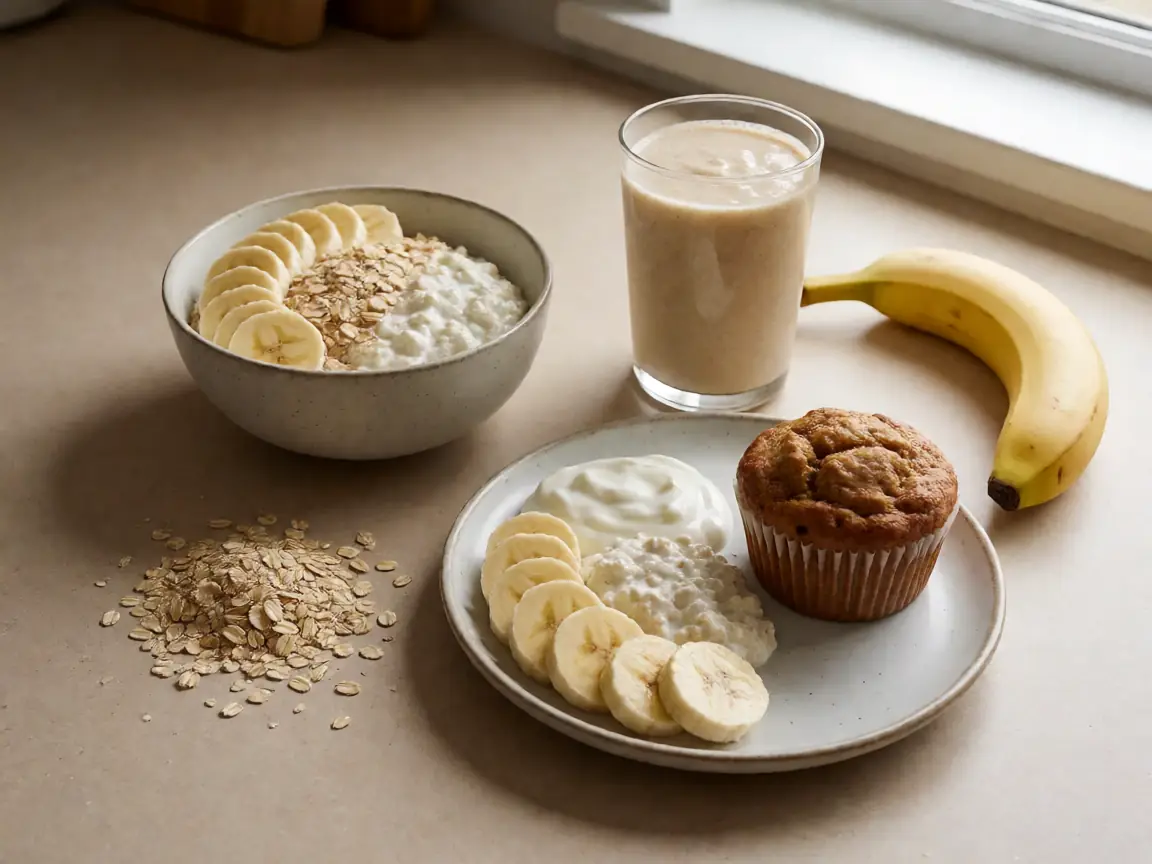
This chilled bowl is a fast option when you want a creamy breakfast without baking. It uses cottage cheese as the primary protein food and banana as the flavor and texture element.
- 3/4 to 1 cup cottage cheese.
- 1/2 banana, sliced or mashed.
- 1/4 cup plain Greek yogurt if a smoother texture is preferred.
- 2 tablespoons rolled oats or a measured crunchy topping.
- Cinnamon, vanilla, and a pinch of salt.
- Optional: chia seeds, walnuts, or unsweetened cocoa in a portion that fits your plan.
Blend the cottage cheese with the yogurt, vanilla, and a pinch of salt if you want a smooth bowl. For more texture, simply stir the ingredients together. Fold in the banana or place it on top so the slices remain visible. Add oats or seeds just before eating if you prefer crunch. Start with half a banana and add the rest only if the sweetness and portion fit the meal.
For a dairy-free version, use a plain soy yogurt or a blended tofu base that has a texture you enjoy. The protein amount will depend on the product, so read the label. For a thicker bowl, chill it for 20 minutes. For a thinner bowl, add a spoonful of milk. Do not add a full serving of protein powder without checking the texture; the powder can make a cottage cheese bowl dense or chalky.
Recipe two: banana protein muffins
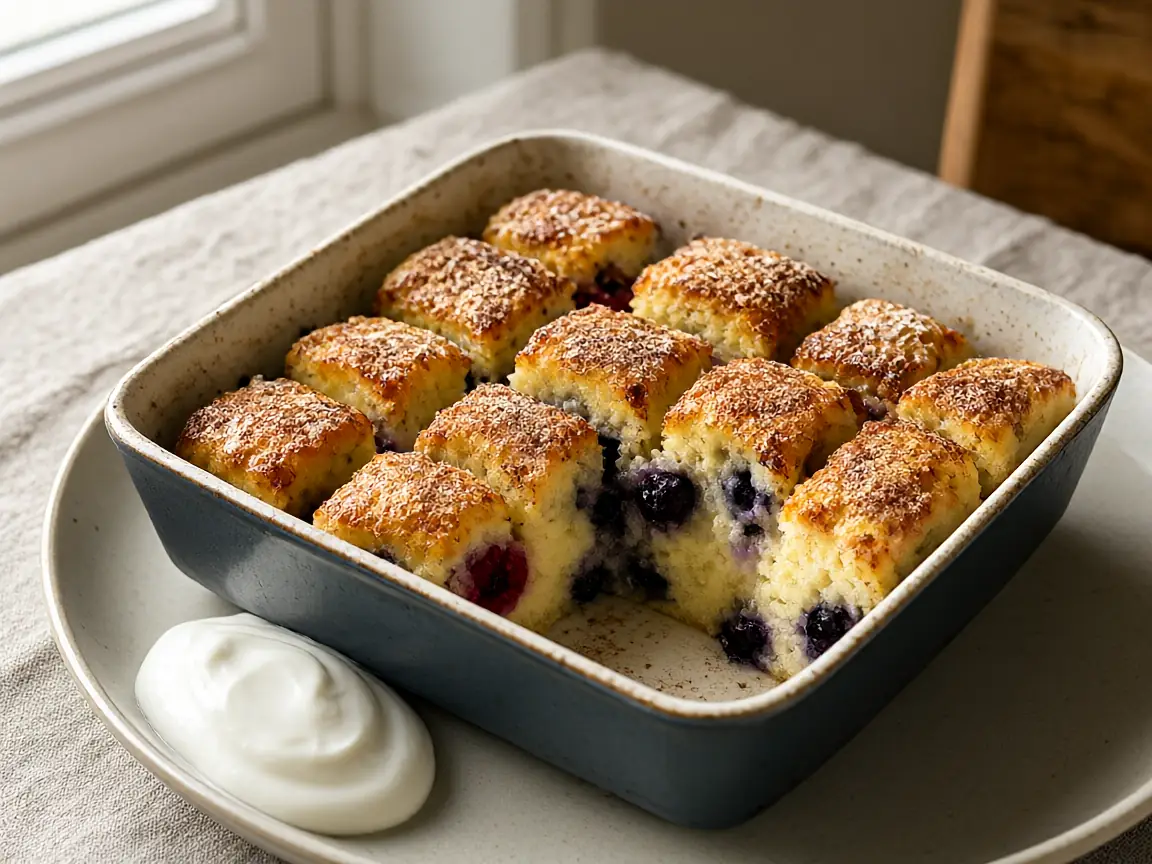
Banana muffins are useful for breakfast and portable snacks because the fruit replaces part of the moisture and sweetness. The protein comes from eggs, yogurt, cottage cheese, a measured protein powder, or a combination.
- 2 ripe bananas, mashed.
- 2 eggs or an appropriate egg substitute.
- 1/2 cup plain Greek yogurt or cottage cheese.
- 1 cup oat flour or finely blended rolled oats.
- 1/2 cup protein powder, adjusting for its density.
- 1 teaspoon baking powder, cinnamon, vanilla, and a pinch of salt.
Heat the oven according to the equipment and recipe you use, and line a muffin pan. Stir the mashed banana, eggs, yogurt, and vanilla. In a second bowl, combine oat flour, protein powder, baking powder, cinnamon, and salt. Fold the dry mixture into the wet ingredients only until combined. Let the batter stand for five minutes because oat flour and protein powder can thicken as they hydrate.
Divide the batter evenly and bake until the center is set. The exact time depends on the pan size, moisture of the bananas, and the protein powder. Cool before judging the crumb. A muffin can seem wet when it is hot and firm up as it cools. If the result is dry, reduce the protein powder next time or add more yogurt. If it is gummy, use less banana, bake a little longer, or allow more cooling time.
For a clear, related make-ahead format, see the high-protein breakfast muffin guide. The goal is not to copy every ingredient; it is to compare how different moisture and protein choices affect the final texture.
Recipe three: banana protein smoothie
A smoothie is easy to customize, but it is also easy to make larger and sweeter than intended. Use one small banana, a clear protein source, and enough liquid to blend. A practical base is plain Greek yogurt or soy yogurt, milk or unsweetened soy milk, a measured protein powder, ice, cinnamon, and half or one banana.
Blend the liquid and protein source first, then add banana and ice. This reduces dry pockets of powder. Taste after blending and decide whether the flavor needs cinnamon, cocoa, coffee, or vanilla rather than automatically adding more sweetener. If you use nut butter, measure it because a generous spoonful can change the energy substantially. If you add oats, chia, or flax, allow the smoothie to stand briefly and check the thickness before adding more liquid.
For a thicker bowl, use frozen banana and less liquid, then add a spoon. For a portable smoothie, keep it cold and use a clean container. A smoothie may be less satisfying for some people than a meal that requires chewing, so observe how it fits your appetite. Pairing it with a small solid food may work better than continuously increasing the blended portion.
Recipe four: banana overnight oats with protein
Overnight oats provide a make-ahead breakfast with a clear portion. Combine rolled oats, milk or yogurt, a measured protein powder, chia seeds if desired, cinnamon, and mashed banana. Start with a small banana and enough liquid to create a spoonable texture. Stir well, refrigerate in a covered container, and adjust with a spoonful of milk in the morning if needed.
Protein powder can thicken overnight oats aggressively. If the mixture becomes stiff, do not assume more banana will fix it; add milk or yogurt. If the oats are too loose, allow more time to hydrate or add a small amount of oats. Use toppings such as walnuts, pumpkin seeds, berries, cocoa, or cinnamon in measured amounts. This keeps the banana as a flavor component instead of making every topping an untracked addition.
When preparing several jars, write the date and keep the toppings separate when they would soften. Use plain yogurt when you want tang and a thicker texture. Use a suitable dairy-free product when needed, checking the label for protein because plant yogurts vary substantially.
Recipe five: banana protein snack bars
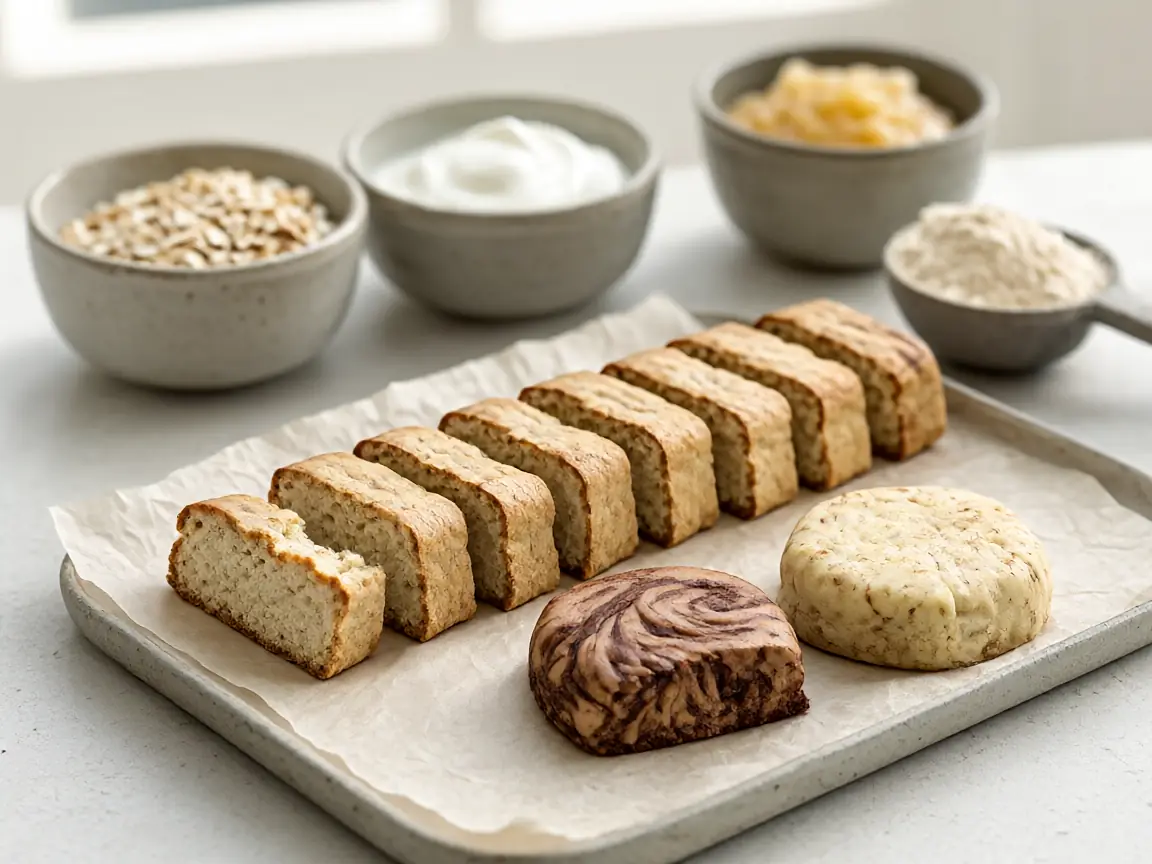
Soft banana snack bars are useful when you want a sliceable recipe rather than a smoothie. Mash one or two bananas with eggs or yogurt, then stir in oats, protein powder, cinnamon, vanilla, and a small amount of nut or seed butter. Spread the mixture in a lined pan and bake until the center is set. Let it cool fully before slicing because the structure continues to firm as the steam escapes.
Use one major adjustment at a time. More banana increases moisture and sweetness. More protein powder can create a dry or rubbery result. More nut butter adds richness but can make the bars dense. If the first batch is crumbly, add yogurt or reduce the dry ingredients. If it is gummy, use less banana, a wider pan, or a longer cooling period. Record the brand and size of the banana so the second batch provides useful information.
Store the bars according to the perishable ingredients. A bar made with yogurt or fresh banana should be cooled promptly and refrigerated. Cut only what you need if the texture is better when the rest remains sealed. Freeze individual pieces when you will not eat the whole batch within the preferred refrigerated window.
How to raise protein without losing the banana flavor
The first step is choosing the protein source that belongs naturally in the format. Yogurt and cottage cheese work in bowls and baked goods. Eggs help muffins and bars set. Soy milk and tofu work in smoothies. Protein powder can be convenient in any of these, but it should complement the recipe rather than dominate it. A combination often tastes better than relying on a large amount of powder.
Use plain or lightly flavored ingredients when you want control. An intensely sweet powder can make a ripe banana recipe too sweet, while a very bitter powder can require extra flavoring. Compare the serving size and protein amount on labels. Do not copy a gram count from a different brand or assume a scoop is a standardized weight.
Consider the complete meal. A banana and yogurt bowl may need oats, seeds, or another food depending on hunger. A muffin may be a snack rather than a full breakfast. A smoothie can be more satisfying when served with something that requires chewing. There is no need to force every recipe into the same calorie or protein target. Fit the recipe to the occasion.
Ripeness, substitutions, and texture
Use ripe bananas for mashed recipes and frozen bananas for blended recipes. Use a firmer banana when you want pieces to remain distinct. If you have only a lightly ripe banana, add cinnamon, vanilla, cocoa, or a small amount of a preferred sweetener rather than assuming it will behave like an overripe one.
Greek yogurt can replace part of the liquid or fat in a muffin and make a bowl tangier. Cottage cheese adds protein and can be blended smooth. Applesauce can replace some banana in a baked recipe, but the flavor and sweetness change. Pumpkin puree creates a different seasonal profile and usually needs more seasoning. Nut or seed butter can replace part of the yogurt in a bar, but it makes the mixture denser.
For allergies, read every label and account for cross-contact. Choose a protein powder and milk that fit your needs. Gluten-free oats require appropriate labeling and handling for people who need that standard. A substitution is safe only when it suits the individual, not merely when it looks similar in a recipe.
Portioning and nutrition estimates
Count the whole recipe, then divide by the number of servings. Include the banana size, dairy or milk, protein powder, oats, nut butter, seeds, oils, toppings, and any sweetener. A small banana in a four-serving muffin recipe contributes differently from two large bananas in two servings. The exact value is an estimate because brands, weights, and cooking losses vary.
If you are working toward a specific energy or protein target, weigh the ingredients and use the labels you actually have. Cooked and raw weights are not interchangeable. If precision matters for a medical condition or prescribed diet, ask a qualified professional to check your method. Public recipes cannot account for a person’s full history, medication, or nutritional requirements.
Portioning does not need to be rigid. Use a small bowl, one muffin, one jar, or a measured smoothie amount as a reference. Adjust when your appetite, activity, or schedule changes. A food system is more durable when the portion can change without turning the recipe into a failure.
Storage and meal-prep workflow
Prepare the components that hold well and finish fragile elements at serving. Bake muffins or bars, cool them promptly, and label the container. Keep smoothie ingredients portioned in the freezer, but blend the liquid and protein fresh when possible. For overnight oats, prepare jars for the days you expect to eat them and keep crunchy toppings separate.
Use shallow containers for cooling cooked food, clean utensils, and conservative storage windows. Refrigerate perishable recipes promptly and follow local food-safety guidance. Do not use smell alone as a safety test. If a food was held at an unsafe temperature or you are uncertain about it, discard it.
A good two-day prep can include two muffins, two overnight oat jars, and frozen smoothie packs. Change the format so banana does not feel repetitive. Add cocoa to one recipe, cinnamon to another, and berries or seeds to a third. The base fruit remains useful without requiring every meal to taste the same.
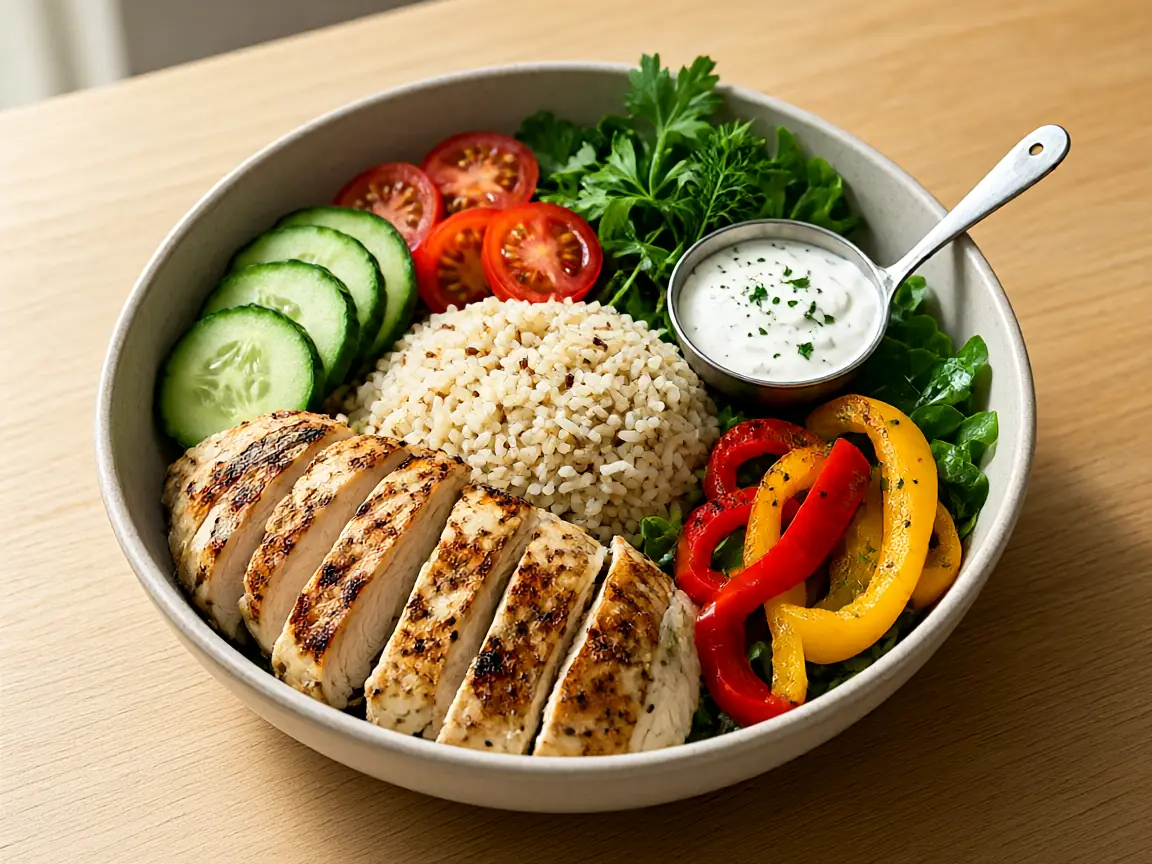
For a larger batch-cooking system, read the high-protein meal prep guide. For a plate rather than a breakfast format, compare the high-protein bowl recipe guide.
Common mistakes to avoid
The first mistake is adding too much protein powder. More powder can make baked food dry, smoothies chalky, and overnight oats excessively thick. Add the amount the recipe needs, then use yogurt, cottage cheese, eggs, tofu, or another food to build the rest of the protein contribution.
The second mistake is ignoring the banana size. A large overripe banana adds more moisture and sweetness than a small firm one. Mash the fruit and measure it when consistency matters. The third mistake is adding unmeasured nut butter, seeds, chocolate, or granola toppings. These are useful foods, but they can change the total quickly.
The fourth mistake is judging a muffin or bar while it is hot. Allow it to cool before deciding whether the crumb is too wet or dry. The fifth is assuming a smoothie is automatically a complete meal. Consider whether the blended portion is satisfying and whether another food is useful.
Finally, do not promise a particular weight or health outcome because a recipe contains protein or fruit. A banana recipe can be practical without being a treatment, prescription, or guarantee.
Related protein and fiber ideas
Banana recipes become more balanced when you consider the rest of the plate. The protein and fiber guide explains how to combine protein foods with oats, seeds, legumes, vegetables, and other ingredients. If you need a larger meal, use the 800 calories high protein meal guide as a planning example, not as a universal target.
Frequently asked questions
Are bananas compatible with high-protein recipes?
Yes. Banana provides flavor, moisture, and carbohydrate, while yogurt, cottage cheese, eggs, tofu, milk, nut butter, seeds, or protein powder provide the main protein. The complete recipe and serving determine how it fits into a meal.
How can I make a banana recipe less sweet?
Use a smaller or less-ripe banana, pair it with plain yogurt or cottage cheese, add cinnamon, cocoa, salt, or vanilla, and choose a less-sweet protein powder. Reduce one sweet ingredient at a time so the texture remains predictable.
Can I use frozen bananas?
Yes. Frozen bananas work especially well in smoothies and blended bowls. They can make baked batters wetter after thawing, so drain excess liquid or adjust the dry ingredients gradually.
Why did my banana protein muffins become dry?
Too much protein powder, overbaking, a small amount of banana, or a powder that absorbs more liquid can all cause dryness. Use a little more yogurt or banana next time, reduce the powder, and judge the texture after the muffins cool.
Can I replace protein powder with Greek yogurt?
Often, yes, particularly in bowls, smoothies, and some baked recipes. Yogurt adds moisture, so reduce other liquid and expect a different structure. Recalculate the protein from the actual product label.
Do high-protein banana recipes guarantee weight loss?
No. A recipe can support a practical eating pattern, but no food guarantees weight loss, muscle gain, fullness, or a medical outcome. Total intake, activity, sleep, stress, health conditions, medications, and individual needs all matter.
Editorial and safety note
This article is general food and nutrition education, not individualized medical, dietetic, or weight-management advice. Nutrition estimates vary with brands, weights, ripeness, cooking methods, and serving size. Follow safe food-handling practices, read allergy statements, and consult a qualified professional for allergies, pregnancy-related nutrition needs, kidney disease, diabetes, medication questions, or eating-related distress. See our editorial policy and disclaimer for the limits of this content.