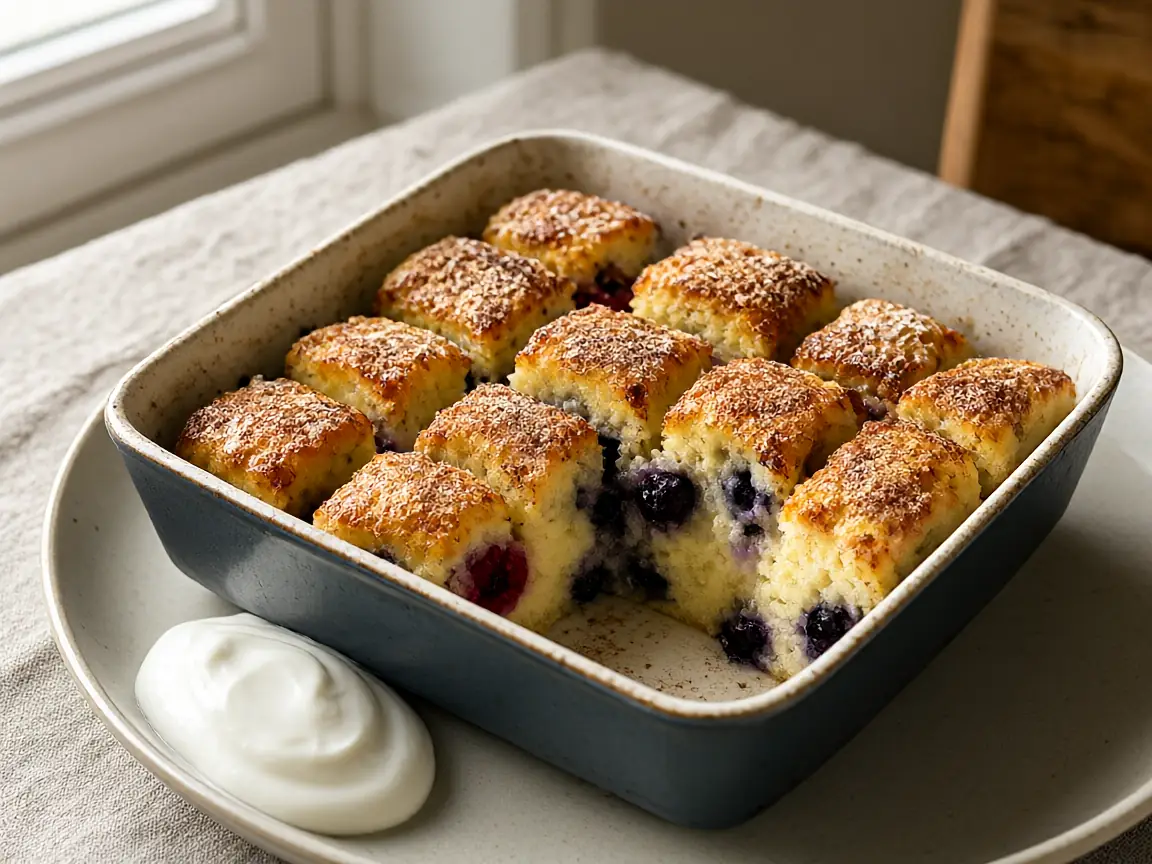
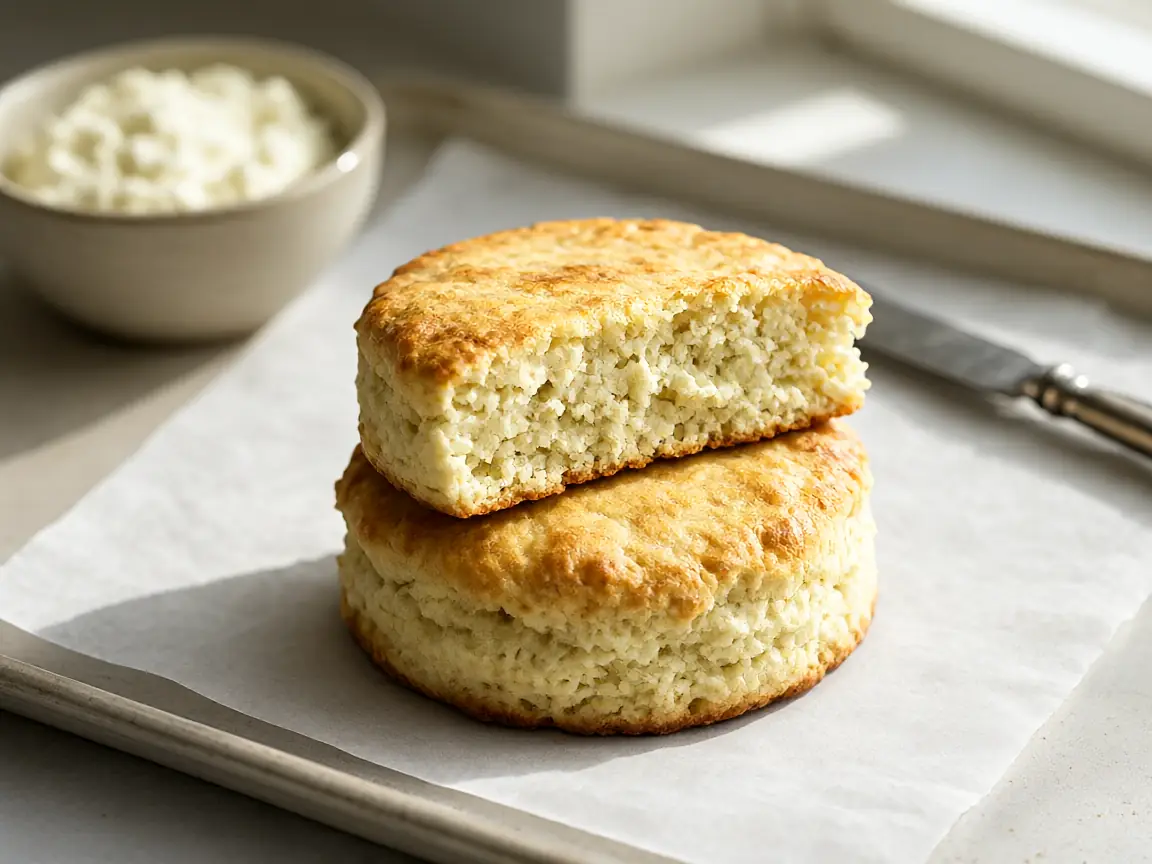
Primary keyword: banana and protein powder recipes. This collection shows how to use banana and protein powder in a smoothie, overnight oats, pancakes, muffins, and a soft snack bar while keeping texture, portions, and storage practical.
Quick answer
Banana and protein powder work well when the banana provides flavor and moisture while the powder supports, rather than replaces, the recipe’s structure. Start with a measured serving of protein powder, one small or medium ripe banana, and a liquid or binder such as milk, yogurt, eggs, oats, or flour. Add liquid gradually because different powders absorb moisture differently. Let batters and oat mixtures rest before adjusting them, and check the finished serving using the labels for the ingredients you actually use.
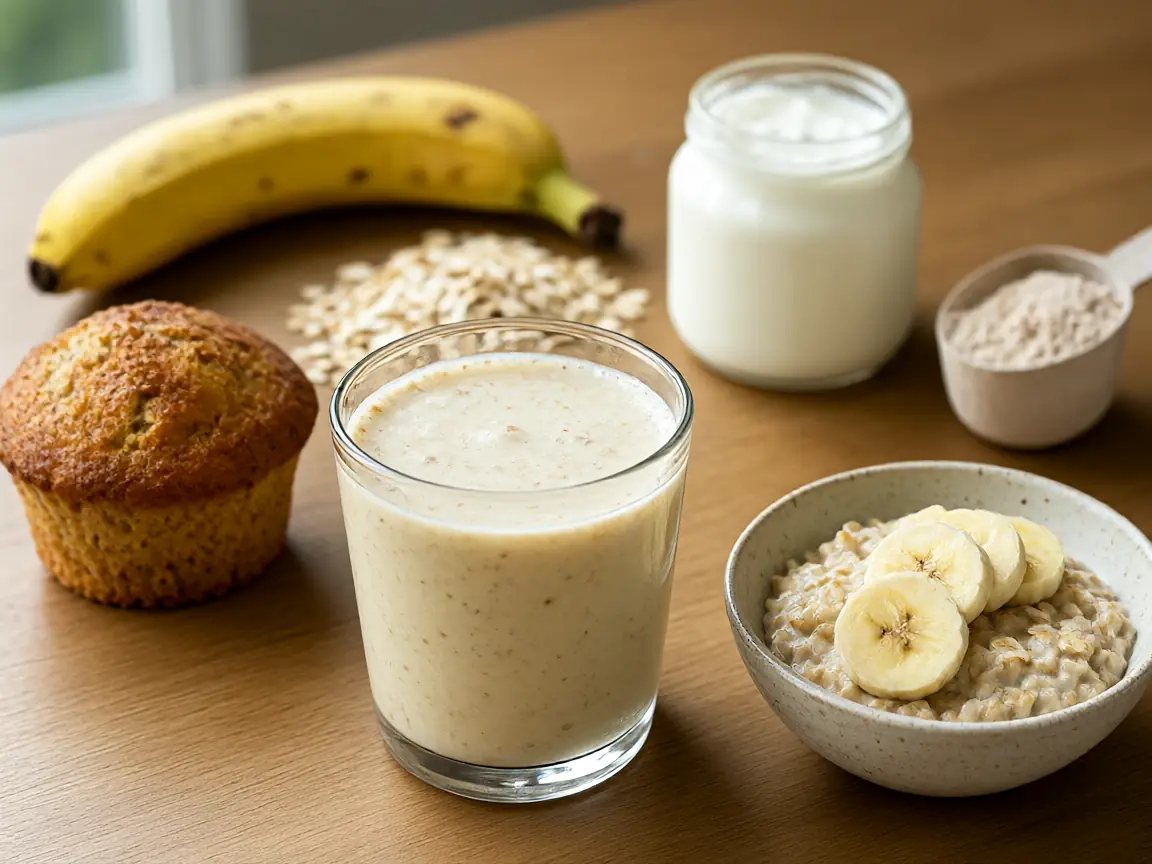
The combinations below include a smoothie, overnight oats, pancakes, muffins, and a no-bake bar. Each serves a different purpose, from a quick drink to a make-ahead breakfast. Protein powder brands vary in flavor, sweetness, serving size, and texture, so no generic nutrition figure will fit every version. For additional meal formats, visit the high-protein recipes collection.
How banana and protein powder work together
Ripe banana adds sweetness, carbohydrate, and moisture. Protein powder adds concentrated protein and can thicken the mixture. Those functions can support one another, but they can also create texture problems when the proportions are off. A banana smoothie can become chalky if too much powder is added. Pancakes can turn rubbery when powder replaces too much flour. Overnight oats can become paste-like because the oats and powder both absorb liquid.
Use the banana according to its ripeness and the format. A very ripe banana mashes easily and tastes sweeter. A firmer banana keeps more shape in oats or a topping. Frozen banana helps thicken smoothies and blended bowls. If the thawed fruit releases liquid, measure the mashed fruit and reduce some other liquid before adding more dry ingredients.
Protein powder is not a universal substitute for flour, yogurt, eggs, or milk. Each ingredient performs a different job. Eggs help pancakes and muffins set. Yogurt adds moisture and tang. Oats and flour provide starch and structure. Protein powder contributes protein but can dry out a bake when used in excess. Combining complementary ingredients usually creates a better food than relying on a large scoop alone.
Recipe 1: banana protein smoothie
A smoothie is the quickest option when you want a drinkable breakfast or snack. Use the following as a starting formula:
- 1 small or medium ripe banana, fresh or frozen.
- 1 serving of protein powder, based on the package label.
- 3/4 to 1 cup milk, soy milk, or another suitable drink.
- 1/2 cup plain Greek yogurt or a suitable plant yogurt, if you want a thicker texture.
- Ice, cinnamon, vanilla, or unsweetened cocoa to taste.
Pour the liquid into the blender first, add the powder, and blend briefly to disperse it. Add banana and yogurt, then blend until smooth. Add ice or a small amount of liquid to adjust the texture. Taste before adding sweetener; a flavored powder and ripe banana may already be sweet enough. If you add nut butter, oats, seeds, or cocoa, measure the amount so you understand how it changes the drink.
For a thicker smoothie, use frozen banana and less liquid. For a drink that travels, use a clean sealed bottle and keep it cold when the ingredients require refrigeration. Some people find a smoothie less satisfying than food that requires chewing, so consider pairing it with fruit, toast, eggs, or yogurt rather than continuously increasing the blended portion.
Recipe 2: banana protein overnight oats
Overnight oats are a useful make-ahead option because the ingredients can hydrate in the refrigerator. Stir together 1/2 cup rolled oats, 1/2 serving of protein powder, 1/2 mashed banana, 1/2 cup milk, and 1/4 cup plain yogurt. Add cinnamon and a pinch of salt. Cover and refrigerate. In the morning, stir again and add a little milk if the oats are too thick.
Start with half a serving of powder if you have not tested the brand in oats. The mixture continues to thicken, and the powder may absorb more liquid than expected. If it becomes stiff, add milk a tablespoon at a time. If it is thin, wait a few more minutes before adding oats; the mixture may still be hydrating. For crunch, add walnuts, pumpkin seeds, or granola at serving instead of overnight.
Use plain yogurt when you want more tang and less sweetness. Soy yogurt can work in a dairy-free version, but protein varies by product. Keep prepared oats cold and follow safe food-handling guidance. Make only the number of servings you expect to eat within your preferred refrigerated window.
Recipe 3: banana protein pancakes
Pancakes need enough flour or oats to set, so use protein powder as part of the dry mix rather than as a complete flour replacement. Mash one banana with one egg, 1/3 cup milk, and 1/4 cup yogurt. In a separate bowl, combine 1/2 cup oat flour, 1/4 cup protein powder, 1 teaspoon baking powder, cinnamon, and a pinch of salt. Fold the dry ingredients into the wet ingredients and let the batter rest for five minutes.
Cook small pancakes on a lightly greased skillet over moderate heat. Smaller pancakes are easier to flip because protein-rich batters can be delicate. Wait for the edges to look set before turning them. If the batter is too thick after resting, add milk a spoon at a time. If it spreads too quickly, add a small amount of oat flour and allow another minute to hydrate.
Serve with plain yogurt, berries, or a measured amount of nut butter. A large pour of syrup or an unmeasured topping can change the meal substantially. Choose toppings for flavor and appetite, and include them in nutrition estimates if you are tracking the recipe.
Picking a protein powder for banana recipes
Whey, casein, soy, pea, and blended powders can all behave differently. Whey may produce a smooth drink but can firm up quickly in baked goods. Some plant powders absorb more liquid and feel grainier. Casein can thicken a cold mixture substantially. Blends vary according to their ingredients. The product label helps identify serving size, protein amount, sweeteners, allergens, and any ingredients that matter to you.
Use a powder flavor that fits the recipe. Vanilla pairs with oats, pancakes, muffins, and smoothies. Chocolate can work with banana, cocoa, or peanut butter. Unflavored powder leaves more control over sweetness but may taste strongly of its protein source. If a product is new, test a small serving in a smoothie or oats before using it in a full loaf or batch of muffins.
Do not assume one scoop is a standard quantity. Weigh or measure according to the label, and do not copy a protein number from another brand. The total protein for the recipe comes from all ingredients: powder, yogurt, eggs, milk, oats, nuts, and seeds. Calculate the batch using the actual amounts and divide by the actual number of servings.
Recipe 4: banana protein muffins
For a small batch of muffins, mash two ripe bananas and whisk with two eggs, 1/2 cup Greek yogurt, and vanilla. In another bowl, mix 1 cup oat flour, 1/2 cup all-purpose flour, 1/2 cup protein powder, 1 teaspoon baking powder, 1/2 teaspoon baking soda, cinnamon, and salt. Fold the dry mixture into the wet mixture only until combined. Rest the batter briefly, portion it into a lined muffin pan, and bake until the centers are set.
The exact bake time depends on the muffin size, banana moisture, pan, oven, and powder. Let muffins cool before assessing the crumb. A hot muffin may seem gummy and then become tender as it cools. If the result is dry, lower the protein powder or add yogurt next time. If it is wet in the center, use less banana or bake longer while protecting the tops from over-browning.
For a related make-ahead idea with its own timing and structure, see the high-protein breakfast muffin guide. A recipe comparison can help you decide whether a smaller muffin portion or a loaf slice is easier to prepare and pack.
Recipe 5: soft banana protein snack bars
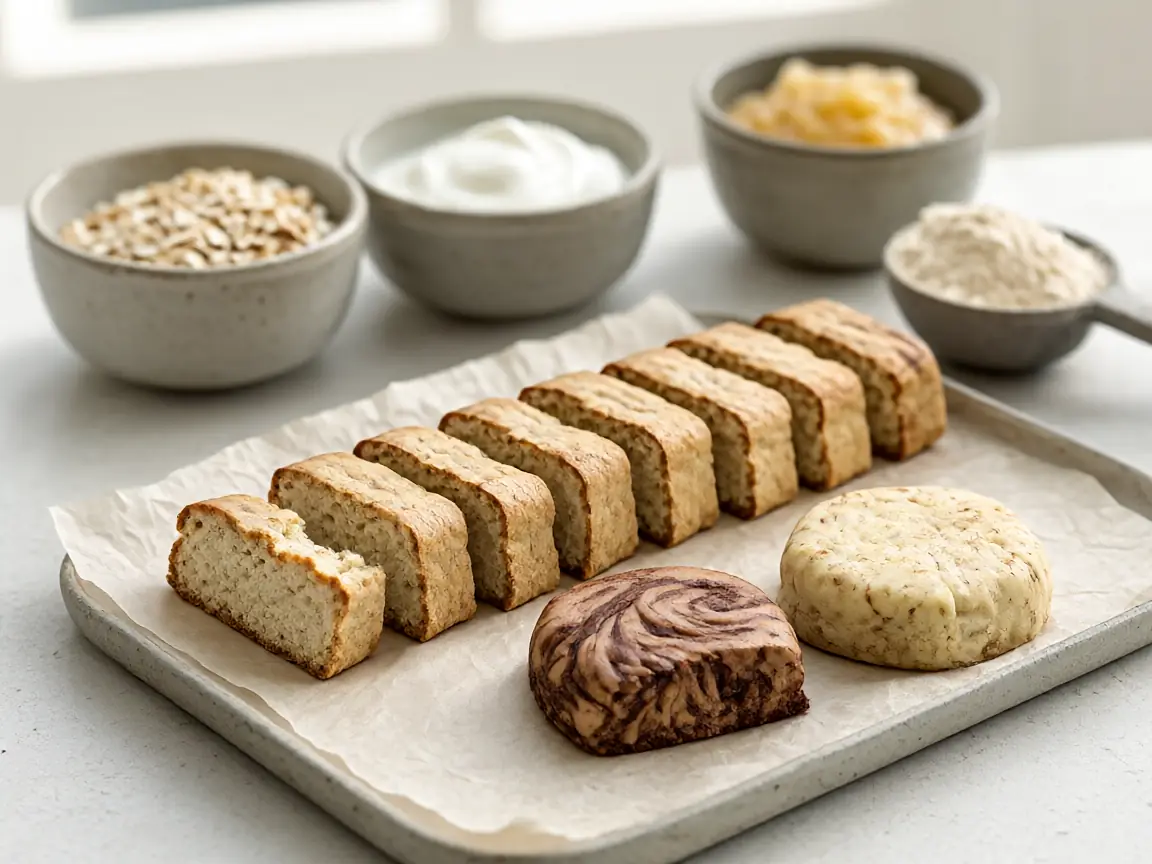
For no-fuss snack bars, combine one mashed banana, 1/2 cup nut or seed butter, 1/2 cup protein powder, 1 cup rolled oats, cinnamon, and enough milk or yogurt to hold the mixture together. Press it firmly into a lined small pan and chill until sliceable. This version is soft and should be stored according to the perishable ingredients used.
Adjust moisture in small steps. A dry mixture needs a teaspoon of liquid at a time. A sticky mixture may need oats, but chill it before adding a large amount because the powder and oats continue to absorb moisture. If the bar is too soft, press it more firmly or chill longer. If it crumbles, add a little binder and test one piece before changing the entire batch.
Banana bars are not shelf-stable merely because they contain protein powder. Yogurt, milk, and fresh fruit affect storage requirements. Keep them cold when needed, label the date, and follow local food-safety guidance. Freeze individual pieces if you will not eat the batch within your preferred storage period.
How to adjust sweetness and flavor
Ripe banana provides sweetness, but protein powders may also include sweeteners. Taste the mixture before adding more. Cinnamon, vanilla, cocoa, coffee, citrus zest, and a pinch of salt can make the flavor feel complete without a large amount of extra sweetener. If you prefer more sweetness, add a measured amount and describe the recipe honestly.
Dates, honey, maple syrup, and dried fruit change the sweetness and nutrition. They can be useful ingredients, but they should not disappear from the recipe description. Chocolate chips, nut butter, coconut, granola, and syrup also add flavor and can change a serving quickly. Measure them when consistency matters.
If the recipe tastes chalky, the powder itself may be the issue. Try a smaller amount, blend it more thoroughly, add yogurt, or use a different flavor. If the taste is bitter, vanilla, cinnamon, cocoa, or a pinch of salt may help. Avoid trying to cover every texture problem with more sweetener.
Texture troubleshooting across formats
A smoothie that is chalky may have too much powder, insufficient liquid, or a powder that does not dissolve well. Blend the liquid and powder first, then add banana and ice. Overnight oats that are too thick need liquid added gradually after hydration. Pancakes that are rubbery may contain too much powder or have been overcooked; reduce powder and cook smaller rounds over moderate heat.
Muffins that are dry can be caused by overbaking or a powder with high absorption. Use a little more yogurt or banana next time, but change one variable at a time. Bars that crumble need more binder or firmer pressing. Bars that feel wet may need more oats or a longer chill. Keep notes on brand, banana size, and liquid amount when testing a new recipe.
Use the food’s purpose to guide the final texture. A smoothie should pour; oats should be spoonable; pancakes should be tender enough to fold; muffins should hold a clean slice; bars should stay together when lifted. Trying to give every recipe the same texture often leads to unnecessary additions.
Portioning and nutrition estimates
Decide how many servings a recipe makes before calculating the nutrition. Add the label values for powder, banana, milk, yogurt, oats, eggs, nut butter, oil, nuts, and toppings. Divide by the final number of servings. A smoothie with a large banana and a generous spoon of nut butter is different from a small drink with half a banana. Muffin size also changes the per-piece estimate.
Numbers are estimates because brands, banana weights, cooking losses, and serving sizes vary. If medical precision matters, use the calculation process recommended by your clinician or dietitian. Protein powder does not guarantee a particular health or weight result. Total food intake, activity, sleep, stress, medical conditions, medications, and personal needs all matter.
Portioning can be flexible. One muffin might be a snack, while a muffin with yogurt and fruit may work for breakfast. A smoothie may be enough before a short morning, while a longer day may call for a side. Use portion sizes as a reference and adapt them to appetite and context.
Storage and batch preparation
Overnight oats, smoothies with dairy, muffins, and soft bars need storage based on their ingredients. Refrigerate perishable foods promptly, use clean containers, and follow local food-safety guidance. Cool baked goods before sealing them to avoid condensation. Keep toppings separate if they soften the recipe.
For a short prep session, portion dry ingredients for oats or pancakes into jars, freeze banana pieces for smoothies, and bake a modest batch of muffins. Add wet ingredients near the time they are needed where possible. Mark containers with the date and contents. Freeze extra muffins or bars individually if the texture holds after thawing.
Do not leave dairy-based smoothies or bars warm for long periods. A protein label does not make perishable food shelf-stable. When you are unsure that a food was stored safely, discard it rather than relying only on smell or appearance.
How to use the recipes in a meal routine
Choose the format that solves the actual problem. A smoothie is quick and portable; overnight oats can be prepared in advance; pancakes work when you have a few minutes to cook; muffins are easy to portion; bars can be useful between meals. The most practical option is the one you enjoy and can store safely.
For more banana-based bakes, compare the high-protein banana bread recipe, the high-protein banana cake guide, and the banana nut bread recipe. For a repeatable weekly system, read the high-protein meal prep guide.
Protein powder is optional. If a recipe tastes better with yogurt, eggs, or another whole food and no powder, that version may be easier to repeat. For ways to add plant foods and texture around protein, see the protein and fiber guide.
Frequently asked questions
Can I use any protein powder in banana recipes?
Usually, but the texture and sweetness may differ. Whey, casein, soy, pea, and blended powders absorb liquid differently. Check the label and test a small serving before using a new powder in a large bake.
How much protein powder should I add?
Use the amount the recipe can support without replacing all the flour, oats, yogurt, or eggs. Follow the product serving size and adjust for texture. The appropriate protein amount varies among people, so this recipe does not set a daily target.
Can I use an unripe banana?
Yes, but it may be less sweet and harder to mash. Use it sliced in oats or allow it to ripen for baked recipes. Do not add lots of liquid just to compensate for a firmer fruit.
Why do protein pancakes turn rubbery?
Too much protein powder, too little flour, overmixing, or overcooking can make pancakes rubbery. Use powder as part of the dry ingredients, let the batter rest, cook smaller pancakes, and turn them once the edges set.
Can I make these recipes dairy-free?
Yes. Use suitable soy or other plant milk and yogurt, and select a protein powder that fits your needs. Plant-based products vary in protein and texture, so check labels and adjust liquid gradually.
Do banana and protein powder recipes guarantee weight loss?
No. They can be convenient foods in a broader routine, but no recipe guarantees weight loss, muscle gain, fullness, or a medical outcome. Individual needs and the rest of the day matter.
Editorial and safety note
This article provides general food and nutrition education, not individualized medical, dietetic, or weight-management advice. Protein powders, dairy, soy, oats, nuts, and sweeteners can cause allergic or digestive reactions. Read labels, follow safe storage guidance, and consult a qualified professional for allergies, pregnancy-related nutrition needs, kidney disease, diabetes, medication questions, or eating-related distress. See our editorial policy and disclaimer for the limits of this content.