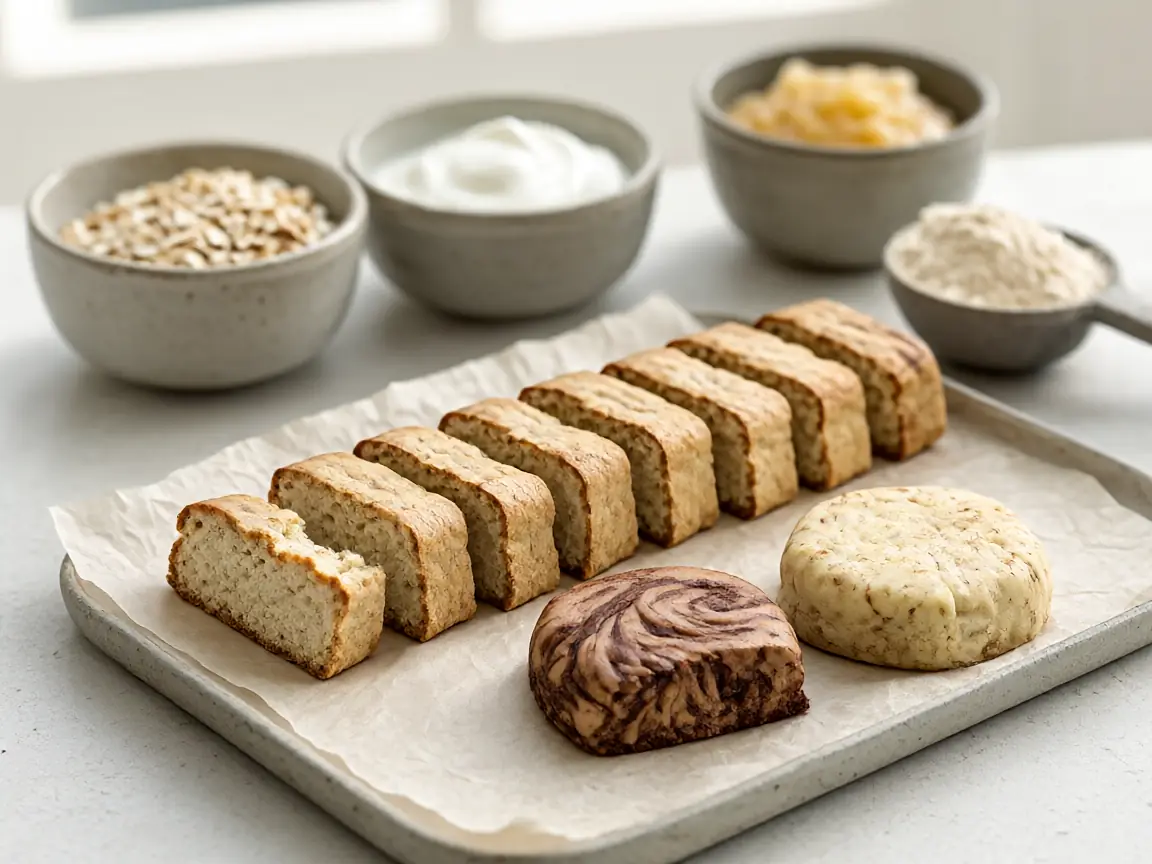
High protein banana pudding can be creamy, spoonable, and dessert-like without relying on a large quantity of heavy cream or a complicated custard. This version uses strained Greek yogurt and cottage cheese for a substantial dairy-protein base, ripe banana for sweetness, vanilla for a familiar pudding aroma, and a measured layer of crisp wafers for contrast. It is a flexible home recipe rather than a medical nutrition product: protein and calories depend on the brands, portions, and optional toppings you choose. The method below explains how to blend the base smooth, keep the banana flavor clear, portion the pudding, and adapt the texture without turning it into a chalky shake.
What makes this banana pudding high in protein?
Traditional banana pudding can be built around milk, sugar, egg custard, whipped topping, and cookies. Those ingredients can make a delicious dessert, but they do not necessarily make protein the recipe's defining feature. Here, the main structural ingredient is plain Greek yogurt, with cottage cheese blended into the mixture. Both supply dairy protein and a thick, cool texture. The banana contributes flavor and body, while a small amount of milk loosens the mixture enough to become spoonable. The result is still recognizably pudding, not a bowl of yogurt with fruit scattered on top.
“High protein” is not a universal legal promise for every recipe portion, and individual products vary. Check the nutrition labels for the yogurt, cottage cheese, milk, and wafers you actually buy. Then divide the total recipe values by the number of jars you fill. This simple calculation is more reliable than copying a generic nutrition figure from a different brand or serving size. If you track protein for a specific reason, use the package labels or a food database and weigh ingredients consistently.
Ingredients and useful substitutions
For four dessert portions, gather 1 cup plain Greek yogurt, 1 cup cottage cheese, 1 medium ripe banana, 1 teaspoon vanilla extract, 1 to 2 teaspoons honey or maple syrup if desired, 2 to 4 tablespoons milk, and 8 to 12 vanilla wafers. A pinch of salt makes the banana and vanilla taste more defined. Cinnamon is optional. Choose a ripe banana with yellow peel and a few brown speckles: it mashes and blends easily and usually tastes sweeter than a green or just-yellow banana.
Use full-fat, reduced-fat, or nonfat dairy according to your taste and needs. A thicker yogurt makes a firmer pudding; a thinner one may need less milk. Cottage cheese curds disappear in a blender, so small-curd and large-curd varieties both work. If you avoid lactose, use lactose-free Greek-style yogurt and cottage cheese if available, and confirm that the products meet your dietary needs. Plant-based alternatives differ considerably in protein, thickness, and flavor; do not assume that a coconut or almond yogurt will produce the same result or protein amount.
For a sweeter dessert, add a little sweetener gradually after blending. For a less-sweet breakfast-style jar, leave it out and use a very ripe banana. Vanilla wafers provide a familiar pudding character, but crisp graham crackers or thin oat biscuits can be substituted. If you need a gluten-free version, choose certified gluten-free cookies and check all ingredient labels. The cookie layer is optional: omitting it creates a smoother, softer pudding, while keeping it separate until serving preserves crunch.
How to make the pudding smooth
Add cottage cheese, yogurt, banana, vanilla, salt, and one tablespoon of milk to a blender or food processor. Blend until the mixture looks glossy and no curds remain, scraping down the sides once. Add additional milk by the teaspoon if the blades stall or if you prefer a looser dessert. Avoid pouring in a large amount at once. A pudding that is too thin can taste more like a drink, and chilling will not always restore the original body.
Taste the mixture before sweetening. Bananas vary in ripeness, and vanilla products vary in intensity. If you want more sweetness, add honey or maple syrup in small increments, blend briefly, and taste again. A little cinnamon can support the banana flavor, but too much can make the pudding taste like a spiced smoothie. The aim is a clean banana-and-vanilla profile, with dairy tang in the background rather than sharp at the front.
If you do not own a blender, press the cottage cheese through a fine sieve, then whisk it vigorously with the yogurt and mashed banana. The texture will be less perfectly uniform but still pleasant. A small personal blender also works; stop and stir between pulses so the mixture does not remain trapped above the blades. Do not blend wafers into the base unless you deliberately want a thicker, cookie-flavored pudding. They soften naturally when layered and refrigerated.
Layering the jars
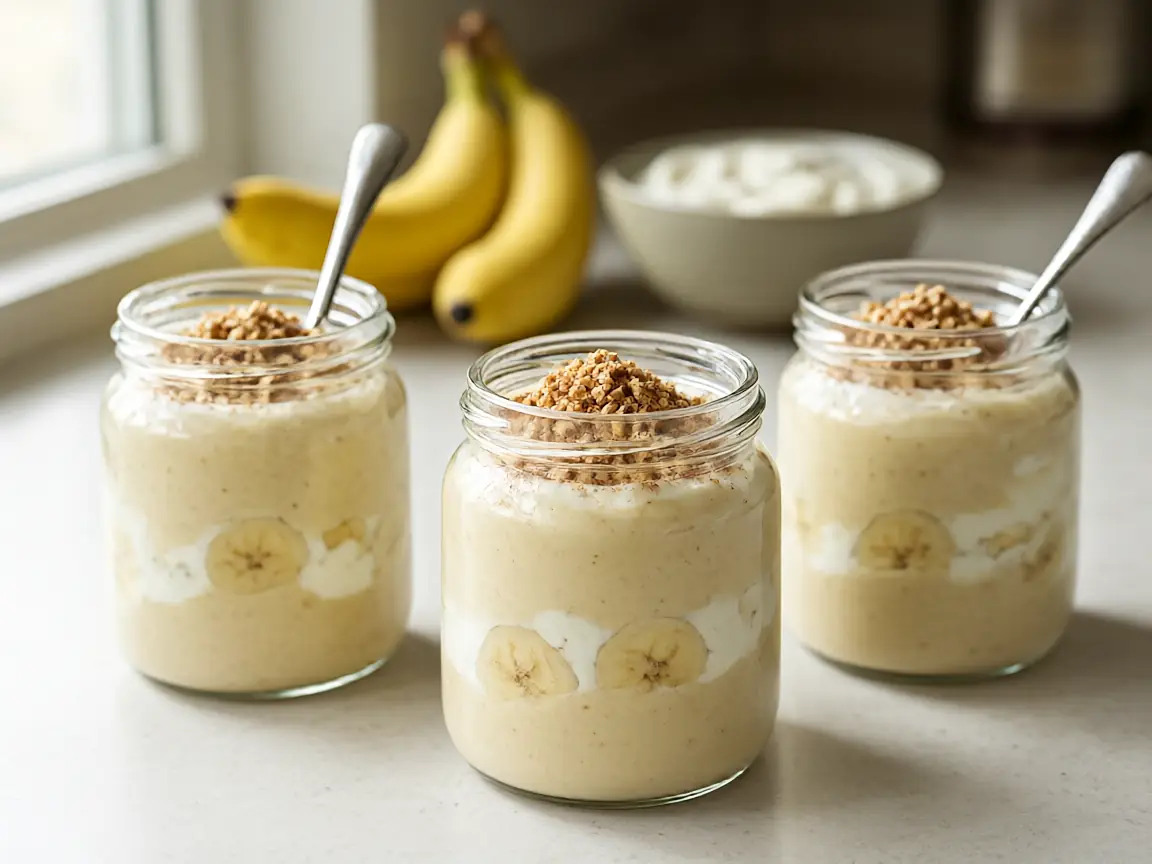
Break the wafers into large pieces rather than crumbs. Spoon a little pudding into each clean jar, add a few wafer pieces, then repeat, finishing with pudding. This gives every portion a combination of creamy base and softened cookie. For a crisp top, reserve a few wafers and add them immediately before serving. If you prefer distinct banana slices, layer thin slices between the pudding and cookies; brush them lightly with lemon juice if they will sit for several hours, understanding that lemon adds a subtle tang.
Do not fill containers to the very rim. Leave room for toppings and a lid. Small glass jars are attractive and make serving sizes easy to see, but food-safe reusable containers work just as well. Use containers with lids if you are packing them for later. If preparing a larger batch for a household, assemble the base in one covered container and add cookies to individual portions at serving time. This prevents every portion from becoming uniformly soft.
Each person can customize the finish with sliced banana, a teaspoon of crushed wafer, toasted oats, or a small spoon of peanut butter. These are flavor choices, not required ingredients. Nuts and nut butters change the texture and nutrition substantially, so measure them if portion consistency matters. A little topping goes a long way because the pudding base is already rich and creamy. Keep crunchy ingredients separate until the last moment.
Chilling and serving texture
Cover the jars and chill them for at least 30 minutes before serving. A longer rest allows the flavors to settle and the wafers to soften. The pudding will thicken slightly as it cools, especially if the yogurt and cottage cheese were thick to begin with. If it seems too firm after chilling, stir in a teaspoon of milk rather than thinning the entire batch before you know the final texture.
For a more classic dessert feel, chill for two to four hours and add a few crisp cookie pieces at the table. For a quick snack, serve after a short chill with the wafers on the side. The base can be spooned into a bowl, layered in a larger trifle dish, or portioned into jars. A large serving dish looks festive, but individual cups make it easier to serve consistent portions and store leftovers without repeatedly opening the whole batch.
This pudding is best cold. If it sits on a warm counter while being served, return the remaining jars to refrigeration promptly. Avoid leaving dairy-based portions out for extended periods. Label jars with the preparation date when batch-making, and keep them sealed to reduce odor transfer and drying. The banana can darken where exposed to air, so a thin layer of pudding above any banana slices helps limit browning.
Recipe at a glance
- Yield: 4 small servings
- Active preparation: about 10 minutes
- Chilling: 30 minutes or longer
- Equipment: blender or food processor, four small lidded jars
- Texture: smooth and thick, with a soft cookie layer
These are practical kitchen estimates, not laboratory values. Actual preparation time depends on equipment, and serving size depends on the volume of your containers. If you need an exact nutrient calculation, weigh each ingredient and use the product label or a trusted food-composition database for the exact foods selected.
Before assembling several jars, check the thickness with a spoon. The base should mound briefly and then settle, rather than pour like a smoothie. If it is too thick, add milk a teaspoon at a time; if it is too loose, blend in a little more thick yogurt and chill a test spoonful. This small adjustment before portioning keeps all servings consistent and avoids trying to correct the texture after the wafers have already softened.
Adjusting sweetness and banana flavor
For pronounced banana flavor, use one ripe banana in the base and add fresh slices between layers. If you want a milder flavor, use half a banana in the blend and rely on vanilla for aroma. Adding more banana makes the pudding taste fruitier but also changes the texture and the nutrition calculation. A large extra banana can make the base loose, especially when combined with thinner yogurt. Add it in increments and evaluate the texture before portioning.
Sweetness can be tuned without changing the core method. Start with no added sweetener, taste, and then add a small amount if needed. Honey and maple syrup contribute their own flavors; granulated sugar dissolves best if blended thoroughly. A non-nutritive sweetener may work, but products vary in sweetness and aftertaste, so follow the product's conversion guidance rather than replacing sugar one-for-one automatically. The recipe does not require protein powder. If you decide to add it, choose a flavor that complements banana and add liquid slowly because powders can make the mixture pasty.
Salt is a quiet but useful adjustment. A small pinch can make vanilla taste rounder without making the pudding salty. Cinnamon, nutmeg, or a little cocoa can create variations, but change one accent at a time so the banana remains identifiable. Peanut butter, almond butter, and chocolate chips are optional toppings that can become the dominant flavor; use them when that is the goal, rather than treating them as invisible additions.
Making it dairy-free or changing the protein source
The tested texture depends on dairy yogurt and cottage cheese, so a dairy-free swap is a variation rather than an identical substitution. Soy-based yogurt often has a more substantial texture than some nut-based alternatives, but formulas differ. A plant-based high-protein yogurt can be used if its label and taste suit you. Blend a small test portion first, then adjust the milk alternative by teaspoons. Silken tofu is another possible base, though it brings a distinct flavor and requires appropriate handling and refrigeration.
People with milk allergy should avoid dairy ingredients and prevent cross-contact; lactose-free dairy is not suitable for a milk-protein allergy. Read labels on wafers, flavorings, and toppings as well as the main ingredients. If you are cooking for someone with a diagnosed allergy or a medically prescribed diet, follow their clinician's or dietitian's specific guidance. This recipe is general cooking information and is not a substitute for individualized nutrition care.
Adding protein powder is optional, not necessary to make the recipe work. Some powders thicken when hydrated; others stay gritty. If using one, blend it with the dairy base, allow the mixture to stand briefly, and then reassess thickness. Choose a powder that fits your preferences and dietary requirements. The resulting protein amount can only be estimated from the labels and weighed quantities actually used.
Storage and food safety
Because this recipe contains perishable dairy, keep it refrigerated at 40°F (4°C) or below. FoodSafety.gov advises refrigerating perishable foods within two hours, or within one hour when the surrounding temperature is above 90°F (32°C), and its cold-storage guidance gives three to four days for many prepared leftovers. For the best banana color and cookie texture, this pudding is usually most appealing within the first couple of days. Use clean utensils, keep the jars covered, and discard portions that have been left out too long or show an unusual odor, appearance, or texture. See the official FoodSafety.gov food-safety guidance for full details.
Freezing is not ideal for a smooth dairy pudding because thawed yogurt and cottage cheese can separate or become grainy, and wafers lose their intended texture. If you experiment with freezing, freeze only the plain base in a suitable container, thaw it in the refrigerator, and stir before serving; expect a change in consistency. Do not refreeze food that has been thawed unless it has been handled according to safe food guidance. For routine meal preparation, making a smaller refrigerated batch is usually simpler and produces a better texture.
Pack the jars in an insulated lunch bag with a cold source if they will be away from a refrigerator. Do not depend on smell alone to decide whether a perishable food is safe. When in doubt about time or temperature, discard it. These conservative habits are especially important when serving children, older adults, pregnant people, or anyone with a weakened immune system.
Common problems and practical fixes
The pudding tastes tangy
Greek yogurt and cottage cheese naturally have a tang. Use a ripe banana, add vanilla, and sweeten incrementally if you want a dessert profile. A slightly sweeter wafer layer can balance the tang without adding much sweetener to every spoonful. If the particular dairy products you chose are especially sharp, try a different plain yogurt brand next time rather than masking the flavor with large amounts of syrup.
The mixture is runny
Runny pudding often comes from a thin yogurt or excess milk. Chill it first, since cold can improve body. If it remains loose, blend in a little more thick Greek yogurt or cottage cheese, then portion. Next time begin with no milk, blend, and add only enough to keep the blades moving. Avoid relying on a large amount of protein powder as a thickener because that can produce a dry or chalky result.
The pudding is grainy
Blend longer and scrape down the sides; some blenders need several short cycles. A food processor or high-speed blender can make cottage cheese smoother. If the graininess comes from protein powder, the product may not dissolve fully in a cold mixture. Try sifting it, blending thoroughly, or omitting it. Do not overwork the wafers into the base, because cookie crumbs can feel gritty even when the dairy is smooth.
The banana turns brown
Banana exposed to air gradually darkens. Keep slices between pudding layers, cover jars tightly, and add decorative slices just before serving. A little lemon juice slows browning but shifts the flavor. This color change alone does not indicate that the pudding is unsafe; use storage time, temperature, and the condition of the dairy as the main safety considerations.
Variations that keep the recipe focused
For banana-cinnamon pudding, add a modest pinch of cinnamon to the blender and another dusting before serving. For a chocolate-banana version, stir in a teaspoon of unsweetened cocoa and adjust sweetness to taste. For extra crunch, keep toasted nuts or granola separate and sprinkle them on immediately before eating. If using nuts, consider allergies and label the jars clearly when sharing.
For a layered parfait, use alternating thin layers of pudding, wafer, and banana. For a smoother, cookie-free version, blend the banana into the base and serve with a small crisp topping. To make a lunchbox snack, use a leak-resistant container and keep it cold. To serve as a plated dessert, spoon the mixture into small glasses and garnish just before serving. These changes preserve the central idea: a banana pudding base built around a protein-rich dairy mixture.
A breakfast portion can be paired with fruit or oats, but the recipe does not need to become a full meal plan. If using oats, add them close to serving or expect them to soften. If your aim is a particular protein target, calculate your portion rather than assuming a jar automatically meets it. For more recipe ideas, browse our high-protein recipe collection and high-protein banana recipe ideas.
Planning portions without overpromising nutrition
For a consistent batch, weigh the banana after peeling, measure the dairy, and divide the finished mixture evenly among jars. Record the exact brands and quantities if you are tracking nutrients. Yogurt and cottage cheese labels can differ in protein and serving size, and wafers contribute additional carbohydrate, fat, and energy. A database estimate is only as accurate as the food entries and measures entered into it. Treat any online recipe calculator as an estimate, not a laboratory analysis.
Protein is one part of a person's overall eating pattern. A dessert can be enjoyable without needing to solve every dietary goal at once. If you have kidney disease, diabetes, food allergies, an eating disorder history, or another condition that affects nutrition choices, seek advice from a qualified health professional who understands your situation. Avoid changing prescribed nutrition targets based on a general recipe article.
For a broader view of how this site handles recipe information, see our editorial policy. If you want a make-ahead approach for other meals, our high-protein meal-prep guide covers batch planning separately.
Frequently asked questions
Can I make high protein banana pudding the night before?
Yes. Blend and portion it into covered jars, then refrigerate. For the best texture, keep some wafer crumbs separate and add them just before serving. Banana slices may darken slightly, so layer them within the pudding or add them on the day you serve it.
Can I use only Greek yogurt?
Yes, though the texture and protein amount will differ. Use thick plain Greek yogurt and reduce or omit the milk. The cottage cheese in this version helps create a smooth, substantial base once blended, but it is not mandatory.
Does it need protein powder?
No. Yogurt and cottage cheese provide the main protein ingredients. Protein powder may alter thickness, sweetness, and flavor, so use it only if you want that change and calculate nutrition using the product label.
How long does it keep?
Keep it continuously refrigerated, covered, and use conservative food-safety timing. FoodSafety.gov's guidance for many prepared leftovers is three to four days at 40°F (4°C) or below, but the freshest texture and banana color are generally earlier. Discard food that has been temperature-abused.
Can I make it without cookies?
Absolutely. The pudding base works on its own or with fresh banana, berries, toasted oats, or a small amount of chopped nuts. Add crunchy toppings at serving time so they remain crisp.
Final method recap
Blend plain Greek yogurt and cottage cheese with ripe banana, vanilla, a pinch of salt, and only enough milk to make a thick spoonable mixture. Taste before adding sweetener. Layer the pudding with broken wafers in four covered jars, chill, and finish with a crisp topping if desired. Keep the dessert cold and calculate nutrition from the ingredients and brands actually used. This straightforward approach gives you a creamy banana pudding with a protein-forward dairy base, adaptable sweetness, and the familiar contrast of soft pudding and wafer.